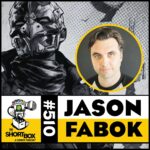
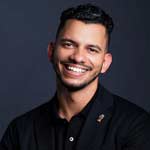
Badr Milligan
0:00
In
this
episode
of
the
short
box.
Jason Fabok
0:02
After
Three
Jokers,
that's
kind
of
when
it
really
started
to
act
up,
and
I
was
in
bad
shape.
I
was
kind
of
fearful.
I
didn't
know
if
I
would
ever
draw
again.
My
hand
was
so
I
had
such
bad
nerve
pain
in
my
drawing
hand.
Shoutouts
to
my
my
personal
trainer,
Bill.
I
reached
out
to
him
at
my
lowest
and
I
just
said,
I
can't
sit.
I
can't
hold
the
pencil.
My
shoulder
is
so
jacked
up.
My
back
is
jacked
up.
I
need
help,
help,
help.
Badr Milligan
0:31
Ladies,
shortbox
podcast
is
recorded
live
from
Jacksonville,
Florida.
Yoo,
Short Box
Nation,
hello
again.
Welcome
back
and
thanks
for
pressing
play
today.
If
you're
brand
new,
welcome
to
the
show.
I'm
your
host,
Badr
Milligan,
and
this
is
the
Short
Box
Podcast,
the
comic
book
talk
show
where
we
bridged
the
gap
between
the
panels
of
your
favorite
comics
with
the
people
who
put
their
blood,
sweat,
and
tears
into
making
them.
This
is
episode
510,
and
today
I'm
joined
by
award-winning
comic
artist
Jason
Fabok.
If
you've
been
living
under
a
rock
or
haven't
opened
a
DC
comic
in
the
last
10
years,
let
me
tell
you
about
Jason
Fabok.
Jason
is
most
known
for
his
bold
line
work,
hyper-dailed
backgrounds,
and
cinematic
layouts
on
titles
like
Batman
3
Jokers,
Detective
Comics,
he's
worked
on
Batman
Eternal,
as
well
as
Justice
League
Dark
Side
War
for
DC
Comics.
And
he's
not
only
an
accomplished
artist,
but
he's
also
a
co-founder
of
the
publishing
company
Ghost
Machine.
It's
a
company
which
is
centered
around
creator-owned
comics
like
the
sci-fi
epic
Rook
Exodus,
which
is
a
series
that
Jason
currently
serves
as
both
the
main
artist
and
co-creator
alongside
writer
Geoff
Johns,
colorist
Brad
Anderson,
and
letterer
Rob
Lake.
Rook
Exodus
first
launched
in
2024
issue
one,
which
is
a
sprawling
sci-fi
story
about
nature
versus
technology.
It
takes
place
hundreds
of
years
from
now
and
follows
a
man
known
as
Rook,
who
was
once
a
simple
farmer
who
fled
Earth
for
a
new
life
on
this
paradise-like
planet
called
Exodus.
It's
a
terraform
planet
where
all
of
nature,
including
its
imported
animal
population,
is
controlled
by
humans
called
Wardens.
And
as
you
can
imagine,
everything
goes
south
as
soon
as
he
arrives.
The
planet
is
destined
for
doom.
It's
about
to
blow
up.
And
a
lot
of
things
go
on
and
happen.
We'll
talk
about
what
transpires
here
in
a
sec.
The
series
is
on
its
second
major
story
arc
at
the
moment.
Issue
11
is
out
today,
right
now
at
all
comic
shops.
So
if
you're
listening
to
this
episode,
it
means
you
can
walk
into
a
local
comic
shop
right
now
and
pick
up
issue
11
if
you
want
it.
We'll
talk
to
Jason
about
his
life,
his
career,
about
making
Rook
Exodus,
and
we'll
also
talk
about
what
separates
Ghost
Machine
from
other
publishers.
But
before
we
get
started
on
that,
I
want
to
give
special
recognition
to
our
amazing
sponsors
who
help
us
make
this
show
possible.
Starting
with
a
Gotham
City
Limit
comic
shop,
it's
the
best
comic
shop
in
Northeast
Florida.
And
if
you
don't
believe
me,
go
check
it
out
for
yourself
today.
If
you
live
in
Jax,
go
visit
Gotham
City
Limit
on
Southside
Boulevard.
And
if
you
don't
live
in
Jax,
maybe
you
don't
even
live
in
Florida,
you
can
still
buy
comics
for
them
online
at
GothamCityLimit.com.
And
I
want
to
give
a
shout
out
to
my
short
box
family,
aka
the
loyal
supporters
over
on
the
Short
Box
Patreon.
If
you
enjoy
the
show,
if
you're
someone
that
listens
every
week
and
maybe
one
episode
a
week
is
not
enough
for
you,
why
not
be
counted
among
the
short
box
elite?
All
right,
if
you
join
the
Patreon,
you
get
access
to
bonus
episodes,
you
get
early
access
to
everything
I
do
before
anyone
else,
and
you
get
uh
you
get
to
be
immortalized
in
short
box
history
at
the
end
of
every
episode
with
a
shout
out
by
name.
Once
again,
that's
patreon.com
slash
the
short
box.
Join
the
Patronies,
right?
Now,
without
further
ado,
let's
bring
on
our
guest
of
honor
today,
Short
Box
Nation.
It's
Jason
Fabok.
Hey,
thanks
for
having
me,
Badr.
Hey,
it's
Jason.
This
is
uh
uh
this
is
one
I've
been
very
much
looking
forward
to.
I
feel
like
uh
your
name
and
your
your
work
has
been
integral
in
my
rather
long
comic
book
journey.
I
remember
maybe
first
becoming
aware
of
you,
of
you
uh
entering
my
my
radar,
my
scope
with
Batman
Eternal,
you
know.
Uh
I
I
remember
thinking
when
I
saw
the
cover
for
issue
one,
holy
shit,
this
is
the
closest
we're
gonna
get
to
uh
someone
on
on
like
Jim
Lee's
caliber
doing
interiors
and
can
keep
up
with
a
monthly,
like
uh
uh
like
a
monthly
pace.
So
uh
been
a
big
fan
of
yours
for
a
while,
it
turns
out.
Jason Fabok
4:39
Yeah,
that
was
well,
that
was
a
while
ago.
That
was
a
lot
of
work.
I
think
is
uh
yeah,
the
years
fly
by.
Uh
I
uh
I
I
sometimes
I've
been
doing
this
for
16
years
now.
I
started
in
2010,
so
um
16
going
on,
17
next
year.
So
the
years
and
the
time
fly
by
because
you
uh
each
book
that
you
do,
at
least
when
I
was
at
DC,
every
book
you
did
was
a
month.
That
was
a
month
of
your
life,
right?
So
you
could
you
would
do
a
bunch
of
these
books
throughout
the
year.
You
take
a
little
bit
of
time
off
for
uh
vacation
stuff,
family
stuff,
but
that
was
how
you
kind
of
timed
out
your
whole
year
and
the
the
time
just
flew
by.
You
always
felt
like
you
needed
a
little
bit
more
time
for
deadlines
and
whatnot.
Badr Milligan
5:22
You
know,
as
I
was
as
I
was
doing
like
this
retrospect
and
just
kind
of
like
you
know,
doing
my
research,
I'm
like,
man,
Jason
has
had
a
very
uh
concentrated
career.
You
know,
it's
uh
I
was
like,
I
wonder
if
there's
there
was
stuff
before
Batman
Eternal
that
I
missed.
And
I
mean,
you
know,
it's
like
uh
well,
I
I
think
your
first
credited
work,
major
work
is
like
uh
uh
two
issues
of
Superman
Batman.
I
think
it
was
like
70
and
71.
And
then
I
think
the
only
non-DC
stuff
I
could
find
was
uh
uh
like
a
full
run
of
of
um
was
it
like
Aspen
Comp,
Soul
Fire
or
something
like
that?
Yeah,
Soulfire.
Jason Fabok
5:56
Yeah,
yeah,
I
I
I
broke
in
in
2010
with
the
help
of
David
Finch,
who
was
my
mentor,
and
uh
I
was
thrown
right
into
the
fire
right
away
with
um
with
fill-in
issues
on
Superman
Batman.
I
remember
I
was
really
bummed
out
at
the
time
because
I
was
kind
of
brought
in
as
a
fill-in
guy
at
the
last
second,
so
I
wasn't
my
name
wasn't
on
the
cover,
I
wasn't
getting
solicits
or
anything
like
that.
So
it
was
kind
of
like
this
weird
thing
where
it's
like
I
first
I
got
my
my
first
opportunity
to
do
some
pro
work,
but
it
never
really,
you
know,
it
was
kind
of
like
I
didn't
really
get
credit
for
it.
But
uh
the
thing
I
learned
though
was
that
it
was
so
intense
like
going
from
working
with
Dave,
building
a
portfolio,
taking
my
time,
working
on
these
pages
and
stuff
I
was
doing
for
my
portfolio,
and
then
all
of
a
sudden
being
thrown
into
an
actual
like
comic
book
where
you
need
to
work
at
a
uh
very
fast
pace.
And
I
couldn't
keep
the
quality
and
the
quantity
up
at
the
same
time.
And
I
remember
if
you
go
back
and
look
at
that
book,
David
Finch
actually
helped
me
draw
a
lot
of
that
book.
So
he's
not
credited
either
either.
Uh,
I
think
it
was
issue
70,
maybe
it
would
have
been,
but
he
would
he
was
kind
of
doing
some
layouts
and
then
I
would
come
in
and
do
the
finishes
on
it.
Yeah.
Because
he
was
just
like,
we
got
to
get
this
done.
You
got
to
keep
your
job,
you
got
to
keep
going.
And
then
the
Aspen
stuff
came
because
of
that.
Because
I
kind
of
said
to
Dave,
I
was
like,
I
don't
think
I'm
ready.
And
so
he
brought
me
to
a
convention
and
I
met
uh
Frank
and
some
of
the
guys
at
Aspen,
and
they
said,
Hey,
look,
why
don't
you
come
work
for
us?
And
you
can
kind
of
learn
at
your
own
pace
because
these
books
aren't
monthlies,
they
don't
need
to
be
out.
Like
you
can
you
can
take
two
months,
three
months
to
do
them,
and
then
build
your
speed
and
get
the
quality
up
at
the
same
time
and
kind
of
figure
this
all
out
before
you're
ready
to
go
back.
Badr Milligan
7:43
I
it's
been
driving
me
crazy,
but
over
your
I
think
your
left
shoulder,
what
is
that
the
print
on
the
far
left?
Yeah,
that
one.
Jason Fabok
7:51
This
is
uh
David
Finch
brightest
day,
I
think.
Oh,
that's
right.
He
was
doing
uh
oh
wow,
he
did
covers
for
all
the
brightest
day
stuff.
That
would
have
been
around
the
time
when
I
just
got
hired
at
DC
because
he
was
at
Marvel
and
then
he
went
to
DC.
He
was
doing
covers,
and
then
he
said
to
me,
He's
like,
Well,
I
was
gonna
send
your
stuff
into
Marvel
to
get
you
a
job
there,
but
he's
a
he's
like,
I'm
not
there
anymore,
so
let's
send
it
into
DC.
That's
how
I
kind
of
got
in
at
DC.
Badr Milligan
8:19
Holy
shit.
So,
wow,
that's
interesting.
So
there
is
a
an
alternate
timeline
where
had
David
Finch
still
been
at
Marvel,
he
would
have
put
in
a
good
word
for
you
there,
and
you
could
have
easily
been
uh
a
decade
at
Marvel.
Jason Fabok
8:31
Uh
and
I
was
actually
a
Marvel
guy.
Like
I
was
Batman
was
really
the
only
DC
character,
but
Marvel,
I
love
X-Men,
Wolverine,
all
those
characters.
Badr Milligan
8:42
I'm
assuming
they've
like
reached
out
before
to
have
you
do
a
cover
or
or
so.
Have
you
done
any
Marvel
work
at
all?
Jason Fabok
8:46
I've
never
done
anything
for
Marvel.
Wow.
I've
never
even
had
a
conversation
with
them.
I
figured
at
some
point
they
would
have
reached
out
to
me,
but
I've
never
dropping
the
ball
massively.
And
I'd
be
up
for
it.
Like
now
I'm
kind
of
I
could
like
because
I'm
not
under
DC
contract.
So
if
they
were
like,
you
want
to
do
a
Wolverine
cover?
I'd
be
like,
Yeah,
I'll
do
a
Wolverine
cover.
I
I've
never
drawn
the
character
uh
for
real,
you
know.
Badr Milligan
9:10
Do
you
get
a
lot
of
people
asking
uh
uh
when
it
comes
to
like
commissions,
like
to
do
have
you
done
a
lot
of
like
Marvel
commissions?
Jason Fabok
9:17
Yeah,
like
they
that
I
that's
a
big
one.
Yeah,
it's
it's
like
Wolverine,
they
they
like
I
can
see
Wolverine's
Canadian
too,
so
I
always
feel
like
I
you
have
a
little
extra
razzle
dazzle.
You're
like,
all
right,
I
gotta
draw
him.
But
uh
yeah,
I
people
always
ask.
That's
that's
what
actually
it's
either
Batman
or
they
ask
for
a
Marvel
character,
and
it's
usually
one,
it's
like
it'll
be
like
Ghost
Rider.
I'm
like,
okay,
like
I
don't
know
if
I
would
ever
associate
myself
with
Ghost
Rider,
but
I
think
they
just
want
certain
characters
because
that's
all
they
collect,
you
know.
Badr Milligan
9:49
Jason,
before
we
get
started
talking
about
inevitably
Batman
and
then
you
know,
Brooke
Exodus
and
some
of
the
highlights
from
your
career,
I
want
to
take
a
uh
a
detour
from
the
very
obvious
and
talk
about
some
of
the
more
interesting
projects
in
your
uh
resume
that
maybe
some
fans
don't
know
about.
Such
as
uh
in
2018,
you
designed
a
$100
fine
silver
sculpture
coin
for
the
Royal
Canadian
Mint.
It
was
called
Superman
the
Last
Son
of
Krypton.
It's
essentially
this
mind-blowing
three-dimensional
Superman
coin
that
you
designed.
Uh,
you've
also
done
statue
designs
for
Prime
One
Studio.
They've
they've
made
statues
based
on
your
artwork
of
Batman
and
I
think
Wonder
Woman
and
just
the
DC
characters
in
general.
What
did
it
mean
to
have
your
artwork
minted?
And
I
guess
I
should
say
that
you're
a
Canadian
comic
artist,
you're
currently
based
out
of
Canada,
I
think
Ontario.
What
did
it
mean
to
have
your
artwork
minted
by
your
own
government?
And
then
how
surreal
was
it
taking,
you
know,
Batman
and
Superman
beyond
just
traditional
comic
publishing
into
high-end
physical
collectibles?
And
and
listeners,
when
I
say
these
statues
are
detailed,
amazing,
absolutely
epic,
uh,
you
got
to
check
them
out
for
yourself.
Jason Fabok
11:04
Yeah,
the
Canadian
Mint
thing
came
out
of
uh,
I
think
at
that
point
I
was
working
on
Justice
League
stuff.
Uh,
I
caught
the
eye
of
one
of
the
guys
at
the
Canadian
Mint,
and
because
of
the
connection
with
Superman,
and
I
think
one
either
a
Siegel
or
Schuster
had
some
Canadian
roots.
So
Canada
has
always
been
able
to
do
some
different
Superman
collectibles,
and
I
think
that
was
the
75th
anniversary,
something
around
there.
So
they
were
doing
a
line
of
different
collectibles
dealing
with
Superman
and
the
Justice
League.
The
Justice
League
movie
was
kind
of
coming
out,
and
so
I
did
a
number
of
coins
that
uh
connected
with
that,
and
then
we
did
it,
it
was
like
a
3D
Superman,
almost
like
mini
statue
where
he's
coming
out
of
a
coin.
That
that
was
that
was
really
neat.
And
then
we
also
did
this
other
one
where
they
took
a
piece
of
artwork
that
I
actually
drew
for
like
my
kids,
and
it
was
like
an
old
school
kind
of
Justice
League
image.
I
was
trying
to
ape
like
Jose
Luis
Garcia
Lopez
kind
of
stuff,
you
know,
and
they
then
put
that
on
a
big,
like
this
big,
like
I
don't
know,
like
Superman
logo
like
kind
of
item,
like
coin
thing,
collector
thing.
So
I
did
some
of
that,
and
that
was
cool
because
Brad
Anderson
and
I,
Brad,
who
colors
a
lot
of
the
stuff,
we
worked
together,
but
we
actually
went
out
to
the
Canadian
Mint
in
Winnipeg
and
got
to
kind
of
see
how
they
do
this
stuff
and
how
they
print
stuff
on
these
coins,
and
that
was
really
uh
a
cool,
uh
like
an
honor
to
be
a
part
of
that
and
see
that.
So
that
was
really
that
was
really
neat
and
a
lot
of
fun.
And
then
um
the
Prime
One
stuff
just
came
out
of
my
love
for
collectibles.
I'm
a
big
I
love
action
figures
and
statues
and
all
that
kind
of
thing.
And
and
uh
I
don't
even
know
how
I
got
linked
up
with
them,
but
but
they
reached
out
to
me
and
uh
uh
asked
if
we
could
collaborate
on
some
things,
and
they
essentially
just
brought
out
a
bunch
of
different
covers
and
things
that
I
had
done
and
just
said,
can
we
transform
this
into
a
statue?
And
I
was
like,
Yeah,
sure.
And
so
I
did
some
designs
and
some
poses
and
whatnot
for
that.
And
then
they
would
kind
of
just
run
run
wild
with
it.
And
some
of
the
different
designs,
they
would
just
kind
of
come
with
a
like
a
rent,
like
they
were
like,
Well,
we
just
modeled
this
based
on
your
cover.
Can
you
can
you
go
over
it
and
just
make
sure
it's
all
accurate?
And
so
I
would
go
in
and
maybe
make
a
couple
tweaks,
but
everything
looked
so
so
cool,
uh,
how
it
was
that
I
was
really
I
was
just
impressed
and
blown
away
by
all
of
them.
Badr Milligan
13:29
Do
you
think
if
you
weren't
drawing
uh
comics
full-time,
you
know,
do
you
know,
doing
all
the
work
that
you
do
on
Umbrook
Exodus
every
month?
Do
you
think
that
statue
design,
I
don't
know,
like
uh,
you
know,
toy
design
would
would
be
another,
I
don't
know,
I
guess
what
else
would
you
be
doing
if
you
weren't
drawing
comics
villagely?
Jason Fabok
13:45
Yeah,
I
I
think
that
might
have
been
an
avenue
I've
would
have
gone
down.
Um
I
also
think
like
uh
maybe
concept
art
for
movies
and
and
stuff.
I
I
it
was
really
neat
at
San
Diego.
I
actually
met
uh
Richard
Taylor,
who's
the
head
of
Weta
Workshop,
who
did
all
the
work
on
Lord
of
the
Rings
and
the
Hobbit
movies
and
and
all
like
Avatar,
all
kinds
of
stuff.
And
uh
I
got
to
meet
with
him,
and
he's
one
of
my
personal
like
art
heroes.
I
used
to
watch
the
making
of
Lord
of
the
Rings
DVDs
like
on
repeat
as
a
teenager.
And
so
I
met
him
and
and
I
kind
of
had
told
him
when
I
was
talking
to
him,
I
was
showing
him
Rook,
and
I
brought
him
a
book,
and
I
just
had
said
like
how
one
of
my
dreams
as
a
teenager,
late
teens,
was
I
wanted
to
work
for
Weta
and
do
concept
art
design.
And
and
I
thought
that
would
have
been
a
really
cool
job
as
well.
So
I
I
do
enjoy
that
um
that
side
of
things.
And
uh,
you
know,
it's
always
neat
when
somebody,
you
know,
asks
me
to
I
I
had
opportunities
to
do
some
action
figures
with
DC
as
well.
Did
a
bunch
of
different
uh
figure
designs
and
and
they
based
a
bunch
of
stuff
off
my
art.
So
it's
it's
always
it's
really
cool
to
to
see
that
happen
and
and
uh
see
it
turned
into
something
three-dimensional
that
you
can
put
on
your
desk.
Badr Milligan
15:01
Yeah,
yeah.
I
feel
like
it
it
just
you
know
brings
it
to
life
in
a
in
a
way,
you
know,
being
able
to
like
you
know
have
it
here
in
this
space
and
occupy
like
real
space
and
be
able
to
touch
it
and
move
it
and
all
that.
I'm
glad
that
you
brought
up
like
storyboarding
because
I've
always
felt
like
your
artwork,
you
know,
whether
it
be
on
uh
DC
stuff
or
like
on
Rook
Exodus,
has
a
certain
like
cinematic
flair
to
it,
like
your
compositions,
your
layouts.
I
think
it
also
helps
that
you
can
draw
literally
everything
from
like
the
characters
themselves
to
like
really
good
rendered
backgrounds
and
whether
that
be
in
the
city
or
nature,
like
you
know,
there's
a
few
uh
uh
panels
from
like
Dark
Side
War
that
that
come
to
mind
of
you
know,
like
just
Dark
Side
looking
so
menacing
and
how
much
uh
emotion
you
can
convey.
Um,
sometimes
with
like
nothing
else
happening
on
the
on
the
page
other
than
you
know
a
character
just
kind
of
like,
you
know,
being
in
the
moment.
Um,
have
you
had
any
formal
education
when
it
comes
to
like
drawing?
Was
it
something
you
just
picked
up
on
your
own?
Did
you
go
to
college
for
any
type
of
art?
Jason Fabok
15:56
I
mean,
I
I
was
always
drawing
in
high
school,
drawing
through
my
youth.
I
didn't
really
take
the
art
side
of
things
seriously
until
actually
like
like
grade
12
when
I
was
about
to
graduate
and
trying
to
figure
out
what
I
wanted
to
do.
I
actually
wanted
to
go
down
the
film
route
uh
in
my
high
school
years
and
uh
potentially
be
a
film
director.
That
was
kind
of
my
main
goal.
And
I
I
applied
to
a
bunch
of
schools
and
I
didn't
get
into
the
one
I
really
wanted
to,
and
then
I
kind
of
changed
directions
and
started
looking
at
illustration.
So
film
and
like
the
cinematic
quality
of
my
work,
I
think
comes
from
just
watching
a
lot
of
movies
and
studying
them
and
kind
of
seeing
the
kind
of
shots
that
work.
You
know,
reading
a
lot
of
comic
books
does
that
too.
Like
if
I
like
a
panel
that
another
artist
has
done
and
it
really
strikes
me
as
like,
wow,
that's
a
really
nice
composition,
or
I
really
like
how
he
used
these
characters
in
the
foreground
and
these
characters
in
the
background.
And
like
I'll
I'll
I'll
use
that
as
my
inspiration
for
one
of
my
own
panels.
Uh,
I
got
like
a
whole
pile
of
books
spread
out
over
here,
and
I
there's
certain
ones
I
go
to
and
and
just
uh
try
to
get
inspiration
for
something
when
I'm
trying
to
tell
a
story.
Um,
I
did
go
to
college
for
three
years
uh
for
animation.
And
um
I
studied
both
3D
animation
and
hand-drawn
animation,
and
so
I
have
skill
in
both
of
those
areas,
but
I
when
I
was
there,
I
kind
of
realized
quickly
that
I
liked
to
illustrate
more
than
I
liked
drawing
a
thousand
drawings
just
to
make
a
character
move
for
30
seconds,
you
know,
like
that
that
was
boring
to
me.
I
liked
just
drawing
a
one
really
cool
image
and
then
moving
on
to
something
else.
And
so
I
think
all
of
those
things
kind
of
come
together.
Uh,
I
think
if
you
want
to
be
a
comic
book
artist,
I
think
you
number
one,
you
should
study
film,
you
should
study
how
camera
shots
are
are
set
up.
I
think
you
should
watch
lots
of
movies,
including
classic
movies,
because
they
they
just
use
the
basics
and
uh
film
noir
movies
are
great
for
that
because
they're
just
black
and
white.
So
you
really
have
to
use
shapes
and
and
silhouettes
and
and
all
these
kinds
of
things
to
help
convey
the
story.
And
then
read
a
lot
of
comic
books
too.
You
got
to
read
a
lot
of
comics
and
classic
comics,
new
comics,
and
again,
don't
be
afraid
to
uh
to
kind
of
uh
take
things
that
inspire
you
or
or
make
you
feel
a
certain
way.
I
I
remember
Dave
Finch
said
one
time
to
me,
because
we
were
talking
about
a
bunch
of
artists,
I
won't
mention
who
the
artist
was,
but
he
kind
of
asked
me,
like,
Well,
do
you
like
this
artist?
You
know,
like
he
kind
of
like
I
was
saying,
like,
Oh,
I
I
really
like
this
guy's
work.
And
he
says,
Well,
would
you
want
to
ever
draw
like
that
artist?
And
I
was
like,
Well,
not
really.
And
he's
like,
How
come?
I
said,
Well,
it
doesn't,
it
just
doesn't
resonate
with
me.
But
I
like,
I
know
he's
a
great
artist,
but
I
I
wouldn't
want
to
draw
like
that.
And
he
said,
Remember
that
feeling
because
that's
how
people
will
uh
see
your
work.
You
want
them
to
look
at
your
work
and
immediately
get
a
visceral
feeling
of
like
power,
especially
if
you
want
to
draw
uh
big
bold
superheroes
and
whatnot.
And
um
he's
like,
it's
good
to
look
at
those
other
artists
who
aren't
your
say
that
art
style
that
you're
chasing.
It's
good
to
look
at
them
though
and
see
what
they're
doing
because
sometimes
you
can
borrow
different
aspects
from
their
uh
techniques
and
the
way
that
they
present
storytelling
and
all
these
sorts
of
things,
even
though
you
may
not
want
to
draw
necessarily
like
them.
It's
very
important
to
remember
the
feeling
that
certain
artists
give
you
and
and
how
their
work
hits
you,
and
just
remember
that,
you
know.
And
so
for
me,
it's
always
been
artists
like
Finch
and
Jim
Lee
and
Mark
Silvestri
and
Steve
McNiven
and
these
guys
who
just
like
there's
just
a
lot
of
power
and
energy,
you
know.
And
so
I
draw,
I
gravitate
towards
that
as
my
inspiration,
but
I
also
love
looking
at
like
Mike
McNola
and
and
like
and
Tim
Sale
and
looking
at
that
where
it's
more
stylized,
but
it's
great
breakdowns
of
shadows
and
and
and
silhouette
and
how
they
use
different
things
to
frame
their
panels.
And
so
you
draw
all
of
that
into
your
work
and
you'll
let
the
let
it
inspire
you
and
come
out
on
the
page
in
different
ways,
and
you
experiment
and
you
see
where
it
where
it
takes
you.
Well
said.
Badr Milligan
20:01
Uh
and
you
know
what
the
word
visceral
is
a
great
uh
word
to
use
when
describing,
at
least,
you
know,
anecdotally
personally,
uh
when
I
see
like
David
Finch's
artwork,
especially
like
you
know,
when
he
was
like
really
cranking
out
like
both
amazing
covers
and
interiors,
like
Moon
Knight,
I'll
never
forget
when
I
first
saw
his
issue
of
Moon
Knight
or
uh
Batman
Dark
Knight.
I
mean,
yeah,
you
know,
like
speaking
about
that
is
awesome
that
it's
coming
from
someone
that
elicits,
you
know,
at
least
personally,
a
very
visceral
reaction
to
his
art,
which
is
like,
wow,
how
does
someone
convey
such
a
grittiness,
such
a
power,
such
a
raw
energy
to
him?
Um,
how
did
you
and
uh
Dave
Finch
end
up
meeting?
Jason Fabok
20:40
Uh,
Dave,
he
when
I
was
in
college,
he
actually
came
and
spoke
to
my
classroom.
He
lives,
he
lives
in
within
my
the
area
I
live
in.
And
he's
about
maybe
20
minutes,
20
minutes
away
from
me.
And
so,
but
everything
around
here
is
20
minutes
away.
We're
in
like
a
farming
community.
So
you
you're
driving
kind
of
in
and
around
the
different
towns
to
do
your
different
things,
go
shopping
and
whatnot.
But
uh
when
I
was
at
college
here,
uh
he
came
and
spoke
to
my
uh
class.
And
at
the
time
he
was
working
on
Avengers.
Oh,
uh
uh
it
was
Avengers
Disassembled
with
Yeah,
it
was
like
one
of
those
books.
He
was
drawing
like
a
hulked
out
she-hulk,
she's
like
going
crazy,
and
and
he
brought
some
of
those
pages
in,
and
and
that
was
that
was
like
the
first
time
that
I
ever
really
thought
like,
okay,
maybe
maybe
I
could
be
a
comic
book
artist
because
before
that
I
always
thought,
well,
you
have
to
live
in
New
York,
you
have
or
you
have
to
move
to
some
like
LA
or
some.
But
then
here's
a
guy
living
in
my
community,
and
uh
he's
at
that
time
the
arguably
the
biggest
artist
at
Marvel.
Badr Milligan
21:43
Was
it
common
knowledge
that
hey,
David
Finch
lives
in
20
minutes
from
us?
Like,
was
he
known
like
as
that
guy?
Jason Fabok
21:49
Yeah,
kinda
within
my
at
least
within
uh
art
class
and
like
our
our
program,
I
but
I
I
do
think
a
lot
of
people
started
to
figure.
Started
to
learn
that
from
the
area.
So
I
met
him
there,
but
only
briefly.
And
then
years
later,
it
was
maybe
like
three
years
later
when
I
was
done
college
and
kind
of
building,
I
took
a
year
and
was
building
a
portfolio.
A
friend
that
I
knew
from
my
class
knew
him
somehow
and
got
me
his
email.
And
I
just
sent
him
my
portfolio
and
just
said,
Hey,
if
you
have
a
quick
second,
can
you
just
give
me
just
a
couple
quick
things
I
can
work
on?
And
instead,
he
just
said,
Well,
why
don't
you
just
come
to
my
house?
Oh,
and
so
he's
like,
It'd
be
easier
for
me
to
just
talk
to
you
in
person.
So
do
you
remember
what
was
in
your
portfolio?
At
that
point
in
time,
there
was
just
some
character
art
that
I
had
done
for
like
my
own
kind
of
characters.
And
then
I
think
there
was
some
Wolverine,
a
couple
like
Wolverine
Canadian
language
phase.
Yeah,
like
kind
of
like
and
dared.
There
was
like
a
Daredevil
sample
script
that
I
had
done
that
I
found
online
or
something
there.
And
so
I
did
some
stuff
like
that,
and
I
had
just
had
it
kind
of
thrown.
I
just
threw
a
bunch
of
stuff
together
and
I
sent
it
to
him.
And
um,
yeah,
he
invited
me
over,
and
then
that's
kind
of
started
me
working
with
him.
And
yeah,
I
would
go
over
to
his
house
and
and
he
would
give
me
a
like
a
little
project.
Like
today
I'm
gonna
show
you
how
to
draw
a
building.
Like
he
was
working,
so
he
like
he'd
be
like
inking
like
I
remember
he's
inking
like
a
Captain
America
cover
or
something.
It
was
like
the
first
time
I
met
him,
and
he's
inking
this
thing,
and
he's
also
like
just
really
quickly
like
going
like
critiquing
my
work,
and
he
was
just
very
truthful
and
blunt.
And
looking
back
on
it,
I
think
he
was
actually
testing
me
to
see
if
he
could
break
me
because
he
was
just
like,
no,
this
is
all
wrong.
This
is
wrong,
wrong,
wrong,
wrong,
wrong,
wrong,
wrong,
wrong,
wrong.
And
he's
like,
This
is
how
you
fix
it.
But
I
remember
we
started
with
backgrounds.
So
he
showed
me
really
quickly
how
to
do
a
perspective
grid
and
all
this
kind
of
stuff,
the
way
that
he
does
it.
And
he
said,
Go
home
and
just
fill
up
this
page
full
of
buildings.
And
so
I
went,
I
went
home
and
I
filled
up
like
two
or
three
pages
of
buildings.
I
didn't
just
do
one,
I
did
like
more.
And
then
I
brought
those
in
and
then
he
critiqued
those
and
tore
them
to
shreds.
Wow.
But
then
also
showed
me
what
I
was
doing
wrong
and
then
how
to
correct
it.
And
then
he
said,
Go
home
and
do
it
again.
And
every
time,
if
he
asked
me
to
do
one
page
of
head,
like
drawing
a
page
of
heads
or
whatever,
or
backgrounds
or
whatever,
he
would,
I
would
give
him
three
or
four.
I
would
just
go
nuts
because
I
figured
this
could
be
my
shot.
Like
I
gotta,
I
gotta
show
this
guy
I
want,
I
want
an
opportunity
and
I
want
to
learn
and
I
want
to
get
better.
And
so
I
did
that
for
like
six
months.
Uh
I
would
go
to
his
house
and
he
would
invite
me
back
over,
and
and
he's,
you
know,
working
on
pages
and
covers
and
all
kinds
of
stuff
and
showing
me
really
quickly
what
to
do
and
what
not
to
do,
and
then
sending
me
off
on
my
way.
And
and
uh
it
was
kind
of
like
a
magical
time.
It
was
very
like
I
was
very
like
stressed
out.
Like
it
was
like
like
it
was
there
was
a
lot
of
like
fear
like
going
over
to
his
house
because
I'm
like,
I
don't
want
to
disappoint
him
and
and
he's
working
and
I
don't
want
to
waste
his
time.
But
but
he,
you
know,
he
took
his
time
with
me
and
helped
me,
and
then
he
helped
me
get
a
job,
and
he
and
he's
helped
me
multiple
times
over
my
career
to
help
me
get
other
opportunities.
And
you
know,
I'm
forever
grateful
to
him
and
his
wife
for
what
they've
they've
done
for
me.
Badr Milligan
25:15
He
lived
a
karate
kid
movie,
cranked
up
to
like
an
11.
But
you
know,
it
sounds
like
that
the
the
right
kind
of
like
approach
that
maybe
you
needed
at
the
time,
where
it's
like,
you
know,
tough
love
and
just
blunt
honesty,
but
also
like
a
little
bit
of
like
that
soft
hand
where
you're
like,
hey,
he's
at
least
giving
me
answers
and
and
showing
me,
not
just
like
tearing
me
down
without
helping
me
build
myself
back
up.
Regardless,
it
does
sound
like
a
pretty
intense
boot
camp.
I
I
guess
what
would
you
say
is
the
the
single
biggest
lesson
or
or
habit
from
David
that
that
saved
you
when
you
were
kind
of
given
like
the
keys
to
like
Batman
and
Justice
League.
Did
you
ever
fall
back
on
any
like
lesson
or
piece
of
advice
of
his
that
maybe
helped
you
out
when
you
were
like
at
the
peak
of
like,
you
know,
your
time
at
DC?
Jason Fabok
25:57
Yeah,
I
I
don't
know
if
there's
any
single
thing.
I
mean,
he
uh
he
showed
me
not
only
the
uh
the
art
art
side
of
things,
but
he
also
showed
me
the
business
side
of
things
too.
So
he
would
he
was
integral
and
helping
me
uh
you
know
land
some
gigs
and
do
things
a
little
bit
out
of
the
ordinary
to
to
kind
of
uh
get
some
certain
certain
gigs
um
by
going
directly
to
people
and
talking,
kind
of
talking
to
like
calling
D,
like
just
call
Dan
DeDio
and
ask
him
to
give
you
a
job
on
that
book,
you
know,
like
kind
of
thing.
And
but
and
also
negotiating
contracts.
There's
all
kinds
of
stuff
that
goes
on
kind
of
in
the
background
that
people
don't
see.
But
I
remember
also
he
had
shown
me
how
to
draw,
like
like
he
drew.
And
I
remember
saying
to
him
uh
after
my
first
couple
books
came
out,
I
was
like,
you
know,
everybody
they're
just
ripping
on
me
and
they're
just
saying
that
I'm
a
finish
clone,
you
know.
And
he
just,
I
remember
he
said
that
it
was
the
kind
of
was
a
response
that
kind
of
caught
me
off
guard,
but
he
just
said,
Well,
that's
a
good
thing.
And
I
said,
Okay,
he
says,
You're
not
gonna,
he's
like,
My
artwork,
let's
be
honest,
it
sells
and
you're
going
to
get
jobs,
you're
gonna
get
work
because
of
it.
And
he
said,
Don't
worry
about
finding
your
look
and
your
style.
That
will
come
in
time.
And
then
he
said,
I
was
a
Mark
Silvestri
clone
because
Mark
Silvestri
taught
me.
And
I
used
all
of
Mark
Silvestri's
techniques.
And
then
he
says,
It
took
me
four
or
five
years
to
kind
of
find
my
own
thing
and
start
bringing
in,
you
know,
Simon
Bisley
and
all
these
other
things
into
his
work
that
really
m
transformed
his
art
into
his
own
thing.
And
he
said,
the
same
thing
will
happen
to
you.
You
just
got
to
give
it
time
and
just
keep
working,
keep
doing
every
book,
get
your
books
done,
and
then
experiment,
you
know,
play
with
inspirations
that
you
like
from
this
artist
or
that
artist
and
and
just
see
where
it
takes
you.
And
he
was
right,
you
know,
he
was
right.
Badr Milligan
27:50
At
what
point
do
you
feel
like,
okay,
I've
I'm
coming
into
my
own
now?
Like
I
could
look
at
this
and
say,
no,
this
ain't
no,
you
know,
David
Finch
sidekick.
This
is
you
know,
Jason
Fabak
has
has
has
arrived.
Jason Fabok
28:00
I
think
that
would
might
have
been
with
like
Justice
League.
Um
uh
the
bat
maybe
a
little
bit
through
Batman,
but
I
was
kind
of
struggling
with
Batman
stuff.
Like
I
I
got
kind
of
thrown
in
on
detective
comics
early
on
and
was
kind
of
like
just
racing
through
those
books
to
get
them
done.
And
then
um
did
a
couple
other
books
in
there.
Batman
Eternal
was
another
one
where
it
was
kind
of,
you
know,
I'm
trying
to
find
my
way
through
it.
But
Justice
League
was,
I
think,
when
it
really
kind
of
started
to
really
click
and
I
kind
of
figured
out
what
I
wanted
to
do
with
my
art.
But
it's
it's
interesting.
I've
I
actually
I
think
that
I
don't
know,
maybe
people
don't
see
it,
but
for
myself,
I
see
each
project
I
attack,
I
came
at
it
from
different
angles.
Justice
League,
I
couldn't,
there's
a
lot
of
detail
in
there,
but
you're
drawing
a
team
book,
so
you
got
to
just
kind
of
just
go
with
your
gut
and
race
through
it.
And
I
I
simplified
some
stuff
and
and
was
just
trying
to
just
trying
to
get
things
done
as
quickly
as
possible.
But
then
Three
Jokers
was
very
uh
Brian
Boland.
I
I
really
was
looking
at
a
lot
of
Brian
Boland
and
wanted
to
kind
of
bring
some
of
that
fine
kind
of
pen
penmanship
into
it,
uh,
so
that
it
kind
of
had
this
feel.
But
then
with
Rook,
there's
a
lot
of
detail
in
there.
But
I'm
a
little
more
scritch-scratchy.
I'm
like,
I'm
not
trying
to
be
like
as
super
clean
as
I
was.
I'm
okay
if
it's
like
like
whatever.
Like
I'm
not
filling
in
all
the
blacks
all
the
time.
Sometimes
I'm
more
cross-hatching
it.
And
and
and
so
I
uh
I
just
feel
it
fits
more
with
the
world.
And
maybe
if
I
went
back
and
did
another
DC
book
or
something,
I
would
make
myself
fit
towards
whatever
that
is.
But
that's
kind
of
I
kind
of
try,
I've
tried
different
things,
and
I
think
in
the
as
I
go
throughout
my
career,
I'll
probably
do
different
things
with
even
with
Rook,
I'll
probably
uh
simplify
things,
or
I
don't
know,
or
find
it.
There's
there's
always
different
artists,
and
you
find
different
artists
that
really
inspire
you,
and
then
you
kind
of
get
drawn
towards
that.
You
go,
what
if
I
tried
something
like
that
in
my
work?
And
then
that
kind
of
leads
to
new
breakthroughs
with
what
you're
doing.
Badr Milligan
30:02
I
really
like
hearing
you
say
that
because
I
I
going
into
this
uh
the
the
research
mode
and
and
you
know
just
uh
the
rabbit
hole
of
going
through
your
old
your
old
stuff,
you
know,
I
I
would
have
just
commented
on
the
art
itself,
you
know,
hyper-realistic.
He's
got
great
backgrounds.
You
could
draw
like
damn
near
everything.
But
the
more
I
kept
like
reading
interviews
by
you
and
and
I
was
stumbling
across
like
old
Substack
posts
that
you
were
you
were
like
breaking
down,
like
really
breaking
down
panels.
One
in
particular
that
jumps
uh
out
to
me
and
pages
too.
You're
breaking
down
pages
and
panels
and
like
whole
issues.
Uh,
I
think
it
was
uh
one
of
the
issues
for
the
button,
the
Batman
Flash
uh
crossover,
where
you're
talking
about
how
much
attention
you
put
into
this
scene
where
Batman
is
watching
a
hockey
game
on
TV.
And
you
were
like,
one
of
my
pet
peeves
is
you
know,
when
when
other
uh
artists
will
interpret
sports
on
TV
and
it's
like
a
sports
game
wouldn't
broadcast
this
angle
of
from
the
game
because
it
makes
no
sense
and
this
doesn't
make
sense,
it's
not
really
realistic.
And
you
were
like,
I
really
being
Canadian,
I
gotta,
you
know
what
I'm
saying?
I
have
to
do
the
hockey
match
correct.
So
I
guess
I
say
all
of
that
to
say
intentional
is
another
word
I
think
I
would
use
to
describe
you
as
well.
And
and
I
guess
hearing
you
say,
like,
you
know,
there
you
do
put
that
much
thought
into
it.
I
also
couldn't
help
but
notice
on
your
Instagram,
you
have
uh
uh
is
it
uh
colla
collisions?
Collisions
323
uh
quoted,
which
is
Colossians,
thank
you.
I
butchered
that.
Sorry,
God.
Uh
Colossians
You
have
Colossians,
you
you
quote
Colossians
3.23
through
24.
I
won't
say
the
whole
thing,
but
it's
you
know,
whatever
you
do,
work
at
it
with
your
heart.
And
I
thought
it
feels
like
you
put
your
heart
and
soul
into
it.
Was
that
always
kind
of
like
your
approach
is
just
to
be
as
intentional
as
possible,
or
did
that
come
along
a
little
further
in
your
career?
Jason Fabok
31:45
It
was
always
drilled
into
me
as
a
kid
uh
from
my
dad.
It
was,
you
know,
uh
Colossians
3.23
and
and
just
working,
working
not
for
man,
but
working
for
God,
like
doing
things
to
your
best
of
your
ability.
And
he
would
always
say,
like,
it
doesn't
matter
if
you're
cleaning
the
floor
or
if
you're
doing
a
piece
of
art
or
if
you're
doing
a
chore,
you
know,
like
you
know,
whatever
you're
doing,
do
it
to
the
best
of
your
ability
and
be
proud
of
what
you've
done
in
the
end
because
you
did
do
your
best.
And
and
it
doesn't
mean
it's
gonna
be
perfect.
It's
like
you're
working
for
excellence,
but
not
perfection,
because
you
can't
be
perfect,
but
you
can
put
your
all
into
it
and
you
can
do
an
excellent
job
at
that.
And
sometimes
you
stumble
and
you
fail.
I
uh
there's
lots
of
stuff
that
I
don't
like
about
my
work.
I
think
as
an
artist,
you're
kind
of
uh
cursed
with
this,
like,
I
don't
know,
I
you
can
see
all
your
faults
and
everything
that
you
draw.
And
it
makes
it
hard
to
actually
go
back
and
reflect
on
your
work
and
see
good
things
in
it.
I
think
time
separates
it.
And
so
I
can
now
I
can
kind
of
go
back
and
go,
oh,
yeah,
okay,
I
was
pretty
rough
around
edges.
But
yeah,
there's
some,
there's
some
pretty
good
stuff
here,
you
know.
Um,
but
that
always
pushes
me
to
want
to
be
better,
to
do
better.
And
um,
I
just
think
that
that's
always
been
there
with
me,
and
that's
just
my
personality.
That's
why
I
I
have
a
hard
time
cutting
corners
and
I
could
make
my
life
a
way
easier
if
I
simplified
some
of
my
work
and
I
just
did
things
a
little
differently.
But
I
think
that
I
wouldn't
be
doing
my
best
and
I
wouldn't
be
doing
it
to
the
utmost
of
my
ability.
And
um,
I
I
also
looking
at
other
artists,
uh,
I
just
I
don't
like
to
see
them
drop
off.
I
want
to
see
them
get
better
and
better
as
they
go.
And
so
eventually
I
think
at
some
point,
you
know,
your
body
kind
of
gives
out
as
an
artist.
My
I'm
already
starting
to
feel
that
a
lot
uh
personally.
But
uh
eventually
I
may
not
be
able
to
draw
the
long
as
long
hours
as
I'm
doing.
And
so
then
you
kind
of
have
to
change
and
adapt.
But
but
I
believe,
I
just
believe
in
doing
your
best
job
with
everything
you
do.
And
I
also
I
think
if
somebody's
gonna
pay
whatever
a
comic
book
costs
today,
$3.99,
$4.99,
I
don't
know
what
the
the
average
book
is,
but
um,
I
want
that
to
be
worth
their
money,
you
know,
like
that's
like
five
bucks,
you
know.
So
it's
like,
you
know,
if
you're
gonna
pay
money
and
then
sit
down
to
read
this
book,
I
want
that
reader
to
read
it,
enjoy
it,
and
maybe
even
flip
it
open
again
and
take
a
look
at
the
art,
you
know,
like
instead
of
just
being
like,
oh,
that
was
good
and
then
never
look
at
it
again.
Like
I
kind
of
I
I
want
that
there
so
that
they
they
read
the
book
and
they
go,
wow,
I
maybe
I
didn't
like
the
story,
but
man,
that
art
looked
great,
you
know.
You
know,
that
kind
of
thing.
I
don't
know.
So
that
that's
always
been
drilled
into
me
and
and
um
something
I
practice
and
I
try
to
to
do
in
all
things
that
I
do
in
my
life.
Badr Milligan
34:39
Hell
yeah,
I
think
it
comes
across
to
work
for
sure.
I
want
to
go
back
to
uh
uh
Justice
League.
You
can
correct
me
if
I'm
wrong,
but
was
that
the
first
time
that
you
worked
with
Jeff
Jones?
Jason Fabok
34:48
Yeah,
I
was.
There's
a
funny
story.
There's
a
funny
story
about
that
one
where
he
I
I
was
working,
I
was
on
Batman
Eternal
and
uh
I
was
working
on
that,
and
I
was
kind
of
I
was
kind
of
like
thinking,
like,
yeah,
I
want
to
do
something
different,
I
want
to
try
something
different,
and
I
really
would
have
wanted
a
shot
on
Justice
League.
And
and
then
uh
out
of
the
blue,
one
night
it
was
like
11
o'clock
my
time.
Yeah,
I
get
this
text
from
Jeff
Johns,
and
he's
like,
Hey,
can
we
talk?
And
I
was
just
like,
Okay,
sure.
I'd
only
like
really
ever
talked
to
Jeff
like
once
or
twice
in
person.
And
so
he
called
me,
and
uh,
he's
on
LA
time
and
I'm
on
Eastern
time.
So,
you
know,
he's
he's
calling
me.
It's
like
midnight,
one
o'clock
in
the
morning
by
the
time
we
ended
up
talking.
And
um
he
just
like
pitched
me
this
whole
dark
side
war
thing
and
what
he
wanted
to
do.
And
we
talked
for
a
good
hour
on
the
phone
and
uh
just
really
clicked.
Cool.
And
uh
I
just
felt
like
it
was
kind
of
like
one
of
those
like
really
cool
moments
where
you
just
knew
like
something
cool
is
gonna
happen
here.
And
then
I
start
that's
when
we
started
working
together
on
with
Justice
League
and
um
a
lot
of
fun.
It
was
that
was
great.
Badr Milligan
35:57
And
you
guys
have
been
putting
out,
I
mean,
you
guys
have
put
out
bangers,
you
know,
for
lack
of
a
better
term,
just
bangers
after
bangers.
I
mean
the
uh
uh
Justice
League
Dark
Side
War,
uh
Batman
Flash
the
Button,
uh
definitely
can't
gloss
over
Batman,
uh
three
jokers.
And
now
you
guys
are
working
together
on
Rook
Exodus
and
all
these
great
things
out
of
uh
Ghost
Machine.
I
think
it's
definitely
safe
to
say
that
you
guys
have
probably
built
up
a
strong
creative
shorthand
and
relationship.
You
know,
what
does
your
back
and
forth
look
like
now
working
on
like
Rook
Exodus,
where
you
two
are
building
a
brand
new
site,
and
not
just
a
small
like
universe,
like
a
pretty
expansive
universe
from
scratch
versus
you
know
how
you
guys
were
working
together
on
like
existing
IP
and
characters
at
DC.
Jason Fabok
36:40
In
all
honesty,
it's
not
too
much
different.
Jeff
is
a
firm
believer
in
uh
collaboration,
and
so
it
was
actually
very
uh
like
a
breath
of
fresh
air
when
I
started
working
with
him
because
before
I
worked,
you
know,
I
worked
with
some
some
great
uh
writers,
and
uh,
but
there
wasn't
much
communication.
It
was
just
kind
of
like
here's
the
story,
or
I'm
gonna
I'm
thinking
about
doing
this
as
the
story.
And
it
like
you
get
that
in
an
email,
and
then
you
go,
Yeah,
okay.
And
then
they
would
write
you
a
script,
and
then
that
you
were
just
kind
of
you
just
draw
it,
and
maybe
I
would
say,
Well,
I'm
gonna
change
this,
or
I
might
add
this,
or
whatever.
But
um,
with
Jeff,
it
was,
you
know,
he
talks
to
you
on
the
phone,
he
gives
you
a
call,
he
pitches
you
the
whole
issue.
Uh,
you
might
throw
out
some
ideas
back
at
him,
and
then
you
find
you
get
the
script
and
you
find
out
that
like
he
actually
took
some
of
your
ideas
and
put
them
in
the
in
the
story.
And
or
he
might
just
be
like,
Well,
what
do
you
want
to
draw?
Or
like,
what
are
you
interested?
Do
you
want
do
you
like
this
character?
I
was
thinking
about
putting
this
character
in
Justice
League.
And
and
so
he
was
um
very
he
just
wanted
to
collaborate.
And
and
you
know,
he
told
me,
you
know,
we've
talked
about
this
quite
a
bit,
but
he
his
philosophy
is
that
when
you
find
an
artist,
you
got
to
trust
the
other
artists
that
they
know
kind
of
what
they're
gonna
do
and
what
they're
good
at,
and
so
draw
to
their
strengths,
but
also
get
them
engaged
in
the
project
by
getting
their
two
cents,
like
seeing
what
they
like,
what
they
want
to
draw,
what
kind
of
storylines
inspire
them.
Uh
that
was
kind
of
with
Justice
League.
I
would
toss
out
some
just
random
kind
of
thing,
and
then
and
then
all
of
a
sudden
I'd
be
reading
the
next
script
and
he
put
that
in
the
story.
And
it's
like,
oh,
that's
really
cool.
And
that
that
engages
me
as
a
storyteller.
Uh,
as
an
artist,
I'm
also
a
storyteller
and
I
want
to
tell
stories.
With
with
Rook,
you
know,
it's
something
where
we
do
talk
a
lot
back
and
forth
about
the
ideas
and
where
we
want
to
go
with
the
story.
And
um,
you
know,
he'll
throw
out
things
and
sometimes
I'll
go,
yeah,
I
don't
know
about
that,
or
I'll
throw
out
an
idea
and
he'll
go,
ah,
I
don't
know.
But
when
we
usually
land
on
something,
then
we
kind
of
start
to
cook
with
it.
And
it's
like
we
see,
we
see
where
that
idea
can
go.
And
sometimes
you
just
throw
out
crazy
ideas
and
and
you
know
that
it's
not
the
right
answer,
but
you'd
be
like,
Well,
what
if
this
happened?
And
then
he
might
go,
Yeah,
okay,
I
don't
know
about
that,
but
what
if
you
kind
of
take
a
little
bit
of
that
and
that
sparks
another
idea?
And
so
we
do
that
a
lot
with
Rook
in
designing
this
uh
world.
Um,
Jeff
likes
to
focus
as
a
writer.
He's
very
good
at
focusing
on
the
emotion
and
the
feeling
and
the
why,
like
why
you
should
care
about
these
characters.
Who
are
they
as
characters?
That's
that's
the
part
that
um
that
really
connects
with
people.
And
I
agree
with
that.
I
come
at
a
lot
of
stuff
more
from
a
visual
angle
because
I'm
a
visual
artist.
And
so
I'm
usually
the
balance
where
I'm
saying,
but
okay,
all
that
sounds
great.
This
scene
or
this
sequence
that's
got
a
lot
of
heart
sounds
great,
but
I
also
want
a
giant
car
chase
with
bullets
flying
all
over
the
place
and
characters
doing
cool
things.
So
it's
like
we
we're
constantly
kind
of
push
and
pull
of
these
two
things
and
these
two
sort
of
ideas.
I
have
a
vision
for
what
I
see
Rook
as,
and
he
has
a
vision.
It's
it's
trying
to
find
a
good
medium
where
as
a
team
we're
producing
something
that
we're
both
happy
with.
And
so
that's
that's
kind
of
how
we
work.
And
uh,
you
know,
we
we
seldom
get
into
any
arguments
or
anything.
I'm
I'm
pretty
I
I
trust
him
that
he's
gonna
deliver
me
a
good
script,
and
he
trusts
me
that
I'm
gonna
draw
something
good
as
well.
So
it
kind
of
works
like
that,
you
know.
Badr Milligan
40:16
I
think
that
I
think
that
trust
comes
across
uh
in
the
work
as
well.
You
know,
I
was
like,
man,
this
feels
like
a
very
unified
front,
you
know.
Also
in
addition
with
like,
you
know,
uh
Brad
Anderson
and
the
letters,
I
feel
I
was
like,
man,
this
feels
like
they
all
like
really
shared
ideas
and
like,
you
know,
every
every
voice
was
maybe
heard,
or
you
know,
they
were
all
like
in
in
in
lockstep
with
the
production
of
this,
which
I
would
love
to
maybe
use
this
opportunity
to
like
really
dive
into
the
ghost
machine
because
if
I'm
not
mistaken,
the
the
official
announcement
of
like
Ghost
Machine
is
here
uh
happened
at
like
New
York
Comic
Con
in
2023,
which
was
my
first
New
York
Comic-Con.
And
I
remember
uh
seeing
the
press
release
after
the
fact,
and
it
was
like,
I
was
like,
holy
shit,
this
feels
kind
of
like
the
forming
of
image
comics,
where
it's
like,
oh
wow,
all
these
great
artists
are
banding
together
to,
you
know,
uh
get
creative
control
again
and
you
know,
this
and
that.
But
Ghost
Machine
was
cool
because
it's
like
Jeff
Johns,
you,
uh
Gary
Frank,
you
know,
uh
uh
Brad
Meltzer.
You
know,
it's
like
this
huge,
this
murders
row
of
talent
coming
out
and
saying,
hey,
we're
forming
this
company.
It's
not
just
about
creative
control,
but
also
business
control.
So
it's
like,
wow,
I
can,
yeah,
I
can
get
behind
that.
And
you
got
like
some
of
the
best
creators,
like
these
books
are
going
to
be
awesome.
I
guess,
you
know,
I
want
to
talk
about
leaving
the
comfort
zone
that
was
DC
comics.
You
know,
uh,
we've
talked
about,
you
know,
all
the
titles
you
were
working
on
and
the
success
that
you
experienced
while
being
there.
You
know,
you
spent
over
a
decade
as,
I
would
say,
one
of
DC's
like
premier
go-to
artists.
You
know,
you
were
at
a
place
that
I
imagine
you
could
easily
pick
the
projects
you
wanted
to.
You
were
maybe
collecting
a
steady
paycheck,
the
work
was
steady
and
safe
at
least.
What
was
the
exact
moment
or
conversation
where
you
decided
to
step
away
from
all
of
that?
To
step
away
from
work
for
higher
security.
I'm
putting
this
in
air
quotes,
and
and
start
betting
on
Ghost
Machine
and
deciding,
hey,
I'm
gonna
be
a
co-founder
and
I'm
going
all
in
on
Ghost
Machine.
Jason Fabok
42:14
Yeah,
uh
there
was
a
couple,
there
was
a
couple
moments
like
the
uh
after
we
had
done
three
jokers,
DC
was
kind
of
in
like
a
weird
like
state
of
flux.
Like
I
they
there
was
there
was
Danadio
had
just
left
and
and
there
wasn't
like
um
it
didn't
seem
like
there
was
anybody
kind
of
taking
charge
or
in
leadership.
And
we
were
trying
to
get
we
had
ideas
to
take
three
jokers
and
expand
upon
that
whole
thing
and
with
more
stories.
And
we
actually
had
a
sequel
that
it
was
real
would
have
been
really
awesome.
I
think
it
would
have
been
better
than
Three
Jokers.
It
was
just
like
a
great
epic
story,
like
Batman's
story
that
was
very
personal,
and
nobody's
ever
done
anything
like
this
before,
anyway.
Uh
sorry
for
that
tease
everybody,
everybody's
bummed
out
that
we'd
ever
do
that.
I
hear
about
it
all
the
time.
Badr Milligan
42:59
Something
that
never
happened
that
would
have
been.
Jason Fabok
43:02
I
hear
about
it
all
the
time
because
we
had
talked
about
it
and
then
things
kind
of
changed.
But
um,
uh
Jeff
and
I
were
kind
of
talking,
and
and
uh
it
was
like
we
were
like,
what
do
we
want
to
do?
What
do
we
want
to
do
here?
And
we
we
talked
a
little
bit
about
uh
that
we
talked
a
little
bit
about
could
we
go
to
Marvel,
do
something
at
Marvel?
But
I
was
really
loving
what
he
was
doing
on
Geiger,
which
at
the
time
Gary
were
doing
just
an
image.
And
I
was
like,
I
want
to
do
that,
I
want
to
do
a
creator
own
project.
And
so
that's
when
we
really
started
talking
about
Rook.
And
I
had
drawings
of
the
character,
but
I
didn't
really
know
who
this
character
was
or
the
world
that
he
was
part
of.
And
uh
Jeff
kind
of
you
know
let
that
brew
in
his
mind,
and
then
after
a
little
while,
we
we
came
up
with
the
whole
story
and
got
excited
about
it.
And
then
I
don't
even
know
if
we
had
started
working
on
it
uh
at
that
time,
but
um
but
we
started.
Kind
of
tossing
around
this
idea
of
like
what
if
we
kind
of
just
created
our
own
company
that
would
allow
us
to
then
have
that
creative
control
over
everything
and
kind
of
strengthen
numbers.
And
so
it
all
it
took
a
took
a
long
while
to
figure
out
and
kind
of
figure
out
what
we
wanted
to
do
with
everything
behind
the
scenes
and
the
legal
part
of
it
and
all
these
sorts
of
things.
But
in
the
end,
it
was
really
about,
like
you
kind
of
had
said,
like
creative
control
and
also
business
control.
And
and
it's
really
neat,
like
when
we
do
make
like
we
like
uh
McFarland
just
announced
a
Geiger
figure
uh
at
um
San
Diego
Comic-Con.
And
Jeff
just
had
like
remarked
about
how
he's
like,
you
know,
I
had
like
two
meetings
with
them
and
we
we
figured
out
the
contract
and
it
was
done.
And
he's
like
at
DC,
with
you
would
have
to
like
go
through
like
20
different
meetings
and
30
different
people,
and
it
would
have
to
go
all
the
way
up
this,
this,
all
these
people
here
and
signed
off
by
this
person,
this,
and
then
by
the
time
all
that's
done,
it's
been
like
six
months
has
gone
by.
So
you
lose
all
of
the
the
spontaneity
of
being
able
to
do
that.
And
he's
like,
like
they
did
they
had
a
Geiger
Funko
pop
that
was
a
San
Diego
Comic-Con
exclusive,
and
he's
like,
that
was
a
simple
meeting,
and
we
figured
out
the
contract
and
off
we
went.
And
because
we're
our
our
own
entity,
you're
keeping
the
the
money
and
and
the
profits
and
all
that
kind
of
stuff,
and
whatever
comes
with
that,
it's
it's
staying
with
us,
it's
not
going
through
30
different
hands
as
well,
like
Warner
Brothers,
you
know.
So
it's
a
different
kind
of
thing.
The
whole
ghost
machine
thing
is
is
tough
because
we're
it's
our
own
company
and
we're
we're
dealing
with
all
these
things,
these
business
things
that
I
never
saw
when
I
was
at
DC.
You
know,
I
was
just
an
artist
at
DC
and
I
worried
about
the
book
I
was
on,
and
that
was
about
it.
But
now
that
I'm
part
of
this,
I
mean
I'm
sitting
through
uh
more
business
meetings
and
making
decisions
about
things
that
we
want
to
do
in
the
future
or
hard
decisions
about
what
we're
doing
internally.
And
that's
a
different
viewpoint.
But
I
think
it's
like
all
this
experience
is
there
for
a
reason,
and
I'm
accruing
all
of
this
experience
for
something
down
the
line,
whether
it
be,
you
know,
as
Ghost
Machine
grows
and
I
take
it,
maybe
I'll
take
a
bigger
leadership
role
or
or
whatever.
I
don't
know.
But
it's
the
it's
the
sort
of
thing
where
uh
I'm
I'm
actually
enjoying
it.
I'm
enjoying
that
part
of
it.
It's
stressful,
it
can
be
stressful
and
it
can
tug
on
your
heart
sometimes
to
make
hard
decisions,
but
you're
doing
it
with
the
goal
in
mind
of
seeing
your
company
grow,
get
better,
and
to
see
some
of
these
things
that
we've
created
make
leaps
into
other
mediums
as
well.
And
some
of
that
stuff
is,
you
know,
there's
things
brewing
with
that
as
well.
So
it's
exciting
and
it's
I
mean,
it's
cool
to
see
like
a
Geiger
action
figure
from
Todd
McFarlane,
like
that's
cool,
you
know.
And
then
that
opens
doors
for
other
things
too.
So
it's
I
don't
know,
it's
a
very
different
experience.
Uh,
I'm
very
glad
I'm
doing
it.
And
uh
it's
not
only,
I
think,
made
me
a
better
artist,
but
it's
made
me
better
uh
business-wise,
seeing
the
comic
book
world
from
a
different
perspective.
That's
that's
another
thing
too.
And
just
seeing
the
the
business
side
of
things
and
how
it
all
works,
and
it's
a
lot
of
hard
work,
but
it's
very
rewarding
in
the
end.
Badr Milligan
47:11
Yeah,
I
imagine
that
I
mean,
like
like
you
said,
you
know,
like
there's
a
a
different
level
of
difficulties
and
things
you
got
to
now
think
about,
but
the
fruits
of
of
that
labor
is
probably
much
greater
had
you
stayed
with
like
DC
or
just
gone
like
the
normal,
uh,
I
guess
whatever,
like
the
image
contract.
I
I
do
like
this
like
unified
front.
That
initial
press
release,
those
initial
interviews
where
you
guys
were
talking
about
Ghost
Machine
and
introducing
the
world.
Um,
there
was
a
I
don't
know,
I
don't
know.
It
was
like
you
could
tell
like
all
of
you
were
excited
about
it
and
were
putting
your
all
into
it.
So
it's
great
to
hear
that
you
know
it's
pushed
you
in
in
in
positive
ways.
And
hell,
I
can't
wait
to
have
a
Rook
action
figure
one
day
to
add
to
this
like
giant
mess
in
the
back.
Um,
I
want
to
get
to
talking
about
Rook
Exodus
now.
So
you
guys
announced
New
York
ComCon
23.
Hey,
here's
Ghost
Machine,
here's
who
we
are.
You
know,
um
we're
doing
great
things
that
very,
I
think
like
starting
2024,
you
know,
the
first
issue
of
a
bunch
of
the
series
uh
end
up
launching,
Rook
Exodus
being
one
of
those.
Uh
it's
been
almost
two
years
and
some
change
now.
Like
I
said,
issue
11
is
out
today
by
the
time
this
episode
comes
out.
Like,
how
are
you
feeling
about
the
feedback
from
from
comic
shops
and
and
readers?
Uh
uh
uh
you
and
Jeff
and
the
team,
are
you
guys
like
on
track
of
all
the
things
you
had
planned
for
the
series?
Or
has
there
been
any,
I
guess,
like
course
correcting
or
any
of
that?
Like,
how's
it
been
so
far?
Jason Fabok
48:28
Yeah,
um,
I
think
the
overall
has
been
very
positive.
Um,
I
get
a
lot
of
positive
feedback
from
the
readers
and
fans,
and
you
see
different
things
pop
up
on
YouTube
or
Instagram,
people
reviewing
the
books
and
really
liking
it,
and
uh
just
kind
of
people
uh
you
know
saying
things
like,
Oh,
I
wish
this
book
was
bigger
than
what
it
is,
like,
you
know,
I
wish
more
people
were
reading
it.
Um,
my
my
personal
thoughts
on
that
is
that,
you
know,
it's
something
new
and
you
have
to
take
some
time
and
it
has
to
grow
naturally,
you
know.
And
so
um
one
of
the
things
I
think
like,
like
I
kind
of
uh
I
think
the
setbacks
would
be
is
that
uh
I'm
slow.
Uh
I'm
slow
at
drawing.
It's
a
very
detailed
book.
I'm
slower
than
I've
ever
been,
though.
But
uh
like
when
I
was
at
DC,
people
people
uh
online
they'll
say
things
like,
well,
Fabbock
takes
forever
to
draw
a
book.
But
I
I
when
I
worked
at
DC,
like
I
was
pumping
out
like
there
was
a
few
years
there
I
pumped
out
like
nine,
10
issues
in
one
year.
Like
I
was
working
like
an
animal,
and
uh
it
was
really
hard
on
me
and
my
personal
life
and
my
mental
health
and
all
these
kinds
of
things,
but
I
was
in
the
trenches,
and
when
you're
there,
you're
fighting
for
for
jobs
and
you're
fighting
for
position,
and
I
wanted
it.
So
I
was
going
hard
uh
after
it
all
at
that
point
in
time.
Uh,
I'm
in
a
different
stage
in
my
life
right
now.
So,
you
know,
I
have
a
young
family
and
uh
kids,
and
I'm
involved
with
sports
and
all
kinds
of
stuff
with
them
as
well.
And
uh,
like
I
kind
of
alluded
to
before,
my
body
also
I've
been
having
a
lot
of
physical
issues
with
my
arm
and
my
drawing,
my
drawing
hand
and
my
shoulder.
And
uh
I
had
to
I've
had
to
change
a
lot
about
my
life.
I
have
to
uh
exercise
and
train
pretty
much
a
couple
times
a
week
in
order
to
do
my
job.
And
there's
different
things
that
have
kind
of
come
into
my
into
the
way
where
I
can't
actually
I
can't
really
draw
any
faster,
and
I
don't
really
want
to
either.
Um,
but
I
wish
I
could
we
could
get
issues
out
quicker.
And
I
think
that's
kind
of
to
be
honest
with
you,
I
I
I
and
I
hear
the
fans,
uh,
I
think
it
has
hurt
the
book
in
the
sense
that
the
book
I
think
could
be
selling
more
copies.
It's
it's
our
uh
Ghost
Machine,
it's
one
of
our
higher
selling
books.
I
think
it
could
sell
more.
I
think
we
could
reach
a
bigger
audience,
but
to
in
order
to
do
that,
I
would
have
to
push
myself
beyond
the
limits
of
what
I'm
physically
able
to,
and
then
that
would
set
me
back.
Um,
or
I
would
have
to
bring
in
other
artists
to
take
on
the
art.
Um,
but
uh
I
don't
know
if
the
book's
at
that
place
yet
where
I
can
really
do
that.
Um,
and
so
my
kind
of
the
way
I
see
rook
is
it's
a
long
game,
and
I
think
we're
getting
close
to
this
the
end
of
our
second
arc
with
issue
12,
and
then
we've
already
got
our
next
one
planned
out,
and
we're
kind
of
uh
we
might
actually
shorten
the
amount
of
issues
each
arc
is
so
that
we
can
get
more
of
a
story
out
in
a
year
kind
of
thing.
And
uh
I
don't
have
to
kill
myself
on
six
issues,
I
can
maybe
do
four
issues
and
still
tell
a
nice
complete
story
and
have
it
move
quick
and
fast.
And
um,
I
think
uh
I
think
I'm
I'm
very
happy
with
how
the
book
is
turning
out
and
how
it's
reading.
And
I
I
still
think
that
we're
a
couple
volumes
off
from
the
thing
really
kind
of
reaching
a
big
crowd.
Like
I
think,
you
know,
it's
gonna
take
some
time
to
lay
down
these
stories.
But
then
once
we
have
three,
four
volumes
of
this
thing
and
people
can
restart
to
read
it
and
see
where
the
greater
story
is
leading
towards,
that's
when
I
think
people
will
see
that,
yeah,
we
have
a
plan.
We
have
a
very
long-term
plan,
and
we
have
bigger
story
arcs
within
these
smaller
story
arcs,
and
it's
all
leading
to
certain
places
that
we
have
kind
of
like
figured
out
along
this
timeline.
And
uh
it's
like
the
sky's
really
the
limit
with
our
story
and
what
we
want
to
do
with
it.
And
it's
gonna
get
deep
and
it's
gonna
get
uh
sometimes
dark,
sometimes
it'll
be
silly,
but
uh,
but
there's
there's
some
there's
some
really
cool
epic
storylines
that
we
have
planned
for
this.
And
for
me
personally,
I
really
hope
that
this
is
something
I
can
do
for
the
rest
of
my
career.
You
know,
God
willing,
I
can
do
rook
and
build
up
these
storylines
from
now
until
the
time
I'm
60
and
and
have
a
really
big,
complete
epic
story.
And
uh,
I
look
at
guys
like
Mike
Magniola,
what
he
did
with
Hellboy,
and
he
he
accomplished
that.
Like
he
drew
this
whole
epic
that
he
had
and
he
finished
it,
and
now
he
kind
of
is
just
playing
around
in
that
universe.
Or,
or
even
like
how
manga
it
doesn't
go
on
forever.
It's
like
it
has
a
beginning,
middle,
and
a
and
a
definitive
end,
and
they
end
it,
and
it's
like
that's
my
epic,
that's
my
story.
This
is
a
different
kind
of
thing,
and
I'm
trusting
in
the
fact
that
I
believe
that
we
have
a
great
story
and
that
it
will
make
for
a
great
epic
comic
book
series,
and
then
hopefully
one
day,
maybe
a
great
epic
movie
or
animated
show
or
video
game
or
action
figures.
I
don't
know
what.
I
I
can
see
it,
I
can
almost
visualize
it,
but
it's
getting
to
that
point.
I
need
to
put
the
work
in.
So
yeah.
Badr Milligan
53:40
I
love
hearing
you
share
your
aspirations
like
this,
man.
If
anything,
it
yeah,
you
know,
to
your
point,
you
could
have
stayed
at
DC
and
they
probably
would
have
had
you
can
still
doing
Batman
because
you're
that
good
at
drawing
Batman
and
the
whole
Gotham
family
and
things
like
that.
But
I
love
that
you
decided
to
go
out
of
your
for
your
own
to
build
something
for
yourself.
Um,
I
also
like,
you
know,
um,
obviously,
I
don't
like
hearing
this,
but
I
do
appreciate
the
honesty
uh
and
transparency
that
you're
sharing
about
like
the
physical
toll
that
comes
with
doing
comics.
I
think,
you
know,
we
always
talk
about,
you
know,
giving
artists
creative
control,
you
know,
uh
getting
them
paid
accordingly,
you
know.
But
I
feel
like
we
don't
always
talk
about
the
physical
aspect
of
the
job
and
how
there
is,
for
a
lot
of
creators,
unfortunately,
there
is
no
like
retirement
plan,
health
plan.
So
hearing
you
say,
like,
hey,
you
know,
I'm
I'm
gonna
do
my
own
thing
and
and
build
my
own
like
legacy,
I
think
that's
fucking
awesome,
for
lack
of
better
terms.
That's
great
to
hear.
Jason Fabok
54:35
I
I
was
gonna
say,
like,
uh
the
the
physical
aspect
of
the
the
toll
that
it
takes
on
you
is
something
I
learned
too
late.
And
and
um,
you
know,
uh
as
I
was
going
through
my
career,
I
would
talk
to
different
artists
and
inkers
and
different
people,
and
you
would
hear
them
talk
about,
yeah,
man,
my
back
is
so
jacked
up
and
I
can't
sit
at
a
desk
anymore,
and
I
can
barely
work.
And
and
you
will,
and
you're
a
young
guy
and
you're
thinking,
ah,
that's
that's
them,
you
know.
I'm
you
know,
that's
not
gonna
happen
to
me.
And
I
was
physically
active.
I
I
played
hockey,
I
go
for
walks,
but
I
wasn't
doing
things
like
lifting
weights
and
strength
training
and
and
stretching
and
doing
all
these
sorts
of
things.
And
after
three
jokers,
that's
kind
of
when
it
really
started
to
act
up
and
I
was
in
bad
shape.
Uh,
I
was
kind
of
fearful.
I
didn't
know
if
I
would
ever
draw
again.
My
hand
was
so
I
had
such
bad
nerve
pain
in
my
drawing
hand.
Uh,
shout
outs
to
my
my
personal
trainer,
Bill.
Uh
he
This
is
can
I
say
this
is
the
first
time
anyone
has
shouted
out
their
personal
trainer
on
the
podcast?
Badr Milligan
55:40
You
just
made
history,
baby.
Jason Fabok
55:41
Yeah,
yeah.
Bill,
Bill,
Bill
Nolan.
He's
uh
he
lives
uh
near
me,
just
leaves
in
the
the
next
uh
road
over.
But
uh,
hockey
with
him
on
Monday
nights
and
and
he's
been
uh
a
trainer.
He's
he's
61
years
old
and
he's
in
the
best
shape
of
anybody
I've
ever
seen.
And
uh
he
trains
this
guy
trains
like
NHL
hockey
players
in
their
offseason,
like
he's
done
it
for
years.
And
he
I
reached
out
to
him
at
my
lowest
and
I
just
said,
I
can't
sit,
I
can't
hold
the
pencil,
my
shoulder
is
so
jacked
up,
my
back
is
jacked
up,
I
need
help.
And
he
said,
Come
and
train
with
me.
And
he's
like,
But
you
just
gotta
be
consistent,
man.
If
you
don't
put
the
work
in,
you're
not
gonna
fix
yourself.
And
so
I
started
going
there
and
I
go
there
three
times
a
week,
even
to
this
very
day,
and
I
train
and
we
work
on
shoulder
health
and
uh
body
health,
and
I
lost
a
bunch
of
weight
and
I'm
kind
of
in
the
best
shape
I've
ever
been
in.
But
the
problem
still
is
there,
and
it's
it
kind
of
like
it'll
rear
its
head,
and
and
then
I'll
have
to
we
kind
of
change
our
workout
routine
so
it's
a
little
bit
more
physio
and
getting
uh
stretching
in
there
and
getting
blood
flow
in
there
and
helping
out.
If
there's
any
young
artists
out
there
listening
to
this,
any
young
guys
who
are
just,
you
know,
you're
working
at
DC
and
Marvel
and
you're
thinking,
oh,
I'm
in
good
shape,
nothing's
gonna
happen
to
me.
Uh,
my
my
advice
would
be
to,
as
an
artist,
you
need
to
train
like
an
athlete.
And
if
you
start
early,
you
may
avoid
some
of
the
stuff
that
I'm
now
going
through.
Badr Milligan
57:14
Hearing
you
bring
this
up
has
got
me
thinking
about
who's
the
buffest
comic
creator?
Who's
the
buffest
creators
in
comics?
Who's
the
buffest
people
in
comics,
the
most,
you
know,
physically
fit.
And
my
mind
goes
to
Greg
Capoula,
but
also
hearing
you
also
talk
about
like,
you
know,
how
how
uh
taking
care
of
your
health
and
and
training
and
you
know,
extend
your
longevity
and
your
ability
to
do
art.
It
makes
me
think
about
John
Romita
Jr.
I
saw
at
um
uh
OAX
this
year,
and
I
don't
know
what
his
age
is.
I'm
just
guessing
here.
No,
disrespect.
I
think
he's
like
mid-60s.
He
looks
great,
he
looks
fucking
like
he's
he's
cut,
he's
like
lean,
he
looks
he
looks
healthy,
and
he's
still
out
here,
you
know,
like
drawing,
you
know,
interiors,
covers,
you
know,
he's
doing
sketches
at
at
shows.
Um
so
yeah,
I
guess
maybe
that's
the
key
right
there
is
you
gotta
get
in
the
gym,
you
gotta
lift,
you
gotta
get
small
a
little
bit.
Jason Fabok
58:03
I
think
that's
part
of
it.
It's
part
of
it.
Even
and
if
you're
not,
you
don't
have
to
be
lifting
crazy
heavy
stuff.
I
just
think
getting
blood
in
there
and
and
exercising
those
muscles
and
pulling
your
shoulders
back,
getting
that
posture
realignment
is
great.
And
uh
actually
it
was
Jeff
Johns
too
who
got
on
me
because
uh
he
said
the
same.
He
said
when
he
turned
35,
he
threw
his
back
out
really
bad
from
just
writing
and
sitting
at
a
desk
all
the
time,
writing,
writing,
writing.
And
he
and
he
was
freaked
out
and
he
realized
I
got
to
start
working
out.
And
so
then
when
it
happened
to
me,
he
said
the
same
thing.
He's
like,
You
need
to
work
out
every
day,
you
need
to
do
either
some
cardio
or
you
need
to
get
into
a
gym,
and
that
kind
of
revitalized
and
changed
my
mindset.
Badr Milligan
58:44
That
sounds
odd.
I
I
hope
you
continue
to
put
your
health
first
and
foremost,
and
I
hope
you
continue
to
feel
better.
I
want
to
get
back
to
uh
uh
talking
about
Rook
Exodus
and
maybe
drill
down
just
a
little
bit
about
the
story.
I
mentioned
in
the
intro
that
the
story
takes
place
many
years
from
now,
you
know,
uh,
you
know,
it's
a
sci-fi
story
uh
about
nature
versus
technology,
following
one
character
named
Rook
who
leaves
planet
Earth
to
go
to
this
planet
Exodus,
thinking
it'd
be
a
much
better
life.
Turns
out
that
is
not
the
case,
and
a
lot
of
things
happen
in
between.
You
mentioned
that
you
guys
are,
you
know,
issue
11
comes
out
today,
issue
12
will
wrap
up
this
second
story
arc.
Can
you
give
us
just
like
a
quick
recap?
Maybe
someone
that
hasn't
been
following.
Where's
the
story
of
Rook
Exodus?
Uh,
where
does
it
find
us
at
like
now
in
this
current
moment?
Jason Fabok
59:27
You
know,
we
started
off
with
the
first
volume
is
Rook
kind
of
discovering
his
connection
to
his
crows.
These
these
warden
characters
have
these
helmets
that
allow
them
to
interface
and
and
link
up
with
a
specific
animal
uh
species.
So
Rook
is
the
crow
and
the
blackbirds
and
and
rooks
and
ravens
and
direwolf
is
the
the
wolves
and
Ursa's
the
bears
and
and
uh,
by
the
way,
one
of
my
favorite
uh
your
character
designs
in
this
series,
if
I
may
interject,
have
been
A1.
Badr Milligan
59:59
And
I
think
that's
been
one
of
the
more
uh
the
more
interesting
uh
aspects
of
reading
this
series
and
following
along,
is
like,
oh
shit,
Jason
really
gets
to
like
stretch
and
play
with
like
these
character
designs,
like
really
gets
to
flex
his
ability
to
come
up
with
like
really
unique
character
designs.
Because,
like
we
mentioned,
you
know,
you're
building
this
world
from
the
ground
up.
Jason Fabok
1:00:17
Yeah,
it
that
that's
actually
one
of
the
hardest
parts
of
it.
Uh,
some
of
the
characters
come
easy,
like
Stag
was
one
of
those
characters
I
just
knew
right
from
the
get-go.
He
was
one
of
like
the
first
five
characters
we
kind
of
talked
about.
And
and
so
I
knew
all
those
characters,
I
just
knew
what
they
look
like
immediately
almost.
It
was
just
they
were
formed.
And
then
other
ones
I've
had
to
kind
of
play
with
and
and
find
inspiration
and
other
things.
Um,
but
you
know,
back
to
kind
of
where
we
were,
like
we
we
kind
of
the
first
story
arc
is
about
Rook
versus
Ursa,
the
Bear
Warden,
and
and
kind
of
this
battle
over
the
planet.
And
and
then
now
we're
kind
of
going
through
this
uh
the
storyline
where
Rook
and
Direwolf
uh
have
met
up
with
Stag
and
uh
they
are
trying
to
discover
why
the
world
engine
failed
and
why
the
planet
is
dying
and
see
if
they
can't
revive
it.
And
they're
finding
out
that
it
has
to
do
with
uh
the
spiders
and
the
spider
warden
arachnid
that
is
uh
uh
infested
into
this
core,
like
this
this
world
core
where
the
world
engine
is.
And
uh
it
was
kind
of
uh
when
we
were
talking
about
the
storyline
uh
after
the
first
storyline,
we
kind
of
said,
Well,
what
do
we
want
to
do
next?
And
and
I
said
I
kind
of
was
like,
I
would
like
to
do
something
that's
a
little
more
self-contained
and
like
almost
like
aliens,
you
know,
where
they're
trapped
in
some
sort
of
thing
and
there's
hallways
and
it's
spooky,
and
and
uh
kind
of
do
something
like
that.
And
so
that's
where
we're
at
with
this
storyline,
and
uh
and
there's
some
pretty
cool
stuff
that
comes
up
in
issue
11
um
and
some
twists
that
lead
into
issue
12.
After
this
storyline,
we
have
the
next
ones
we're
gonna
be
exploring
more
of
the
world
of
Exodus
again,
getting
outside,
moving
around,
and
there's
a
little
bit
of
a
Western
vibe
to
it.
And
um,
I
love
world
building
and
I
love
you
know
character
building
with
these
characters
as
well,
and
bringing
two
characters
together
and
seeing
where
that
might
take
us
and
what
it
might
inspire
us
for
the
next
storyline.
And
and
uh
we
kind
of
see
Rook,
Jeff,
Jeff
kind
of
sees
it
in
the
same
vein
as
like
how
he
did
Green
Lantern
or
or
even
like
classic
X-Men,
where
you
have
these
kind
of
these
core
characters
that
you
can
kind
of
follow
along
with,
but
you
can
bring
in
other
ones
for
a
story
arc
and
they
might
interchange
out
with
other
ones.
Rook
is
kind
of
the
constant
and
he'll
kind
of
always
be
there.
And
I
think
Dire
Wolf
is
is
gonna
kind
of
be
there
too
as
we
go
through.
I
I
really
enjoy
drawing
her,
and
I
really
think
that
she,
you
know,
kind
of
brings
a
nice
balance
to
the
to
the
two.
But
we
can
play
with
all
these
villains
and
we
got
some
pretty
out
there
ideas
as
well.
Like
arachnid,
as
a
character,
if
anybody
has
been
reading
the
book,
he's
this
guy
who's
like
uh
inside
of
a
giant
mech
suit
that
kind
of
looks
like
a
spider.
It's
like
some
sort
of
war
machine
suit
that
he
found
and
he
he
interconnected
it
with
his
body,
and
and
uh
it's
it's
fun
to
come
up
with
that
idea,
but
then
you
realize
you've
got
to
draw
this
thing
for
six
issues,
and
it's
not
it's
not
easy
to
draw.
I've
I've
there's
a
lot
of
the
character
designs
I
look
back
and
go,
why
did
I
design
it
like
that?
It's
it's
very
hard
to
draw,
but
it
makes
for
a
cool
looking
book
in
the
end
when
you
get
it
and
you
read
it,
you
know.
Yeah.
Badr Milligan
1:03:30
You
mentioned
that
you've
had
the
uh
the
the
idea
of
rook
as
a
as
a
sketch
for
a
while.
Like
how
far
back
are
are
we
talking?
Jason Fabok
1:03:37
Uh
I
was
kind
of
drawing,
well,
I
I
would
have
been
in
college,
so
um
yeah,
back
when
I
was
like
early
20s.
Badr Milligan
1:03:45
Are
we
talking
like
just
a
mask
or
just
the
the
the
concept
of
a
guy
that
can
control
birds?
Like
how
how
much
of
like
the
rook
we
see
now
was
around
you
know
twenty
whatever,
20
years
ago.
Jason Fabok
1:03:56
Yeah,
it
he
originally
he
always
had
the
jacket.
He
always
had
like
a
duster
jacket.
Did
you
have
a
good
jacket?
He
always
had
the
jacket,
but
originally
it
was
almost
like
a
film
noir
style,
like
detective
character
with
a
mask,
and
then
and
then
it
became
something
else
after
that.
It
was
more
superhero-esque.
And
then
I
kind
of
started
stumbling
upon
like
I
was
I
was
really
uh
I
loved
I
loved
like
Metal
Gear
Solid
and
I
loved
Star
Wars
and
all
these
things.
And
I
started
kind
of
like
pulling
from
some
of
that,
and
and
I
just
thought
it
would
be
neat
to
have
a
character
who
was
a
science
fiction
kind
of
uh
vigilante
kind
of
character
in
on
uh
in
some
off-world
kind
of
thing.
And
but
that
was
about
I
just
had
he
had
like
a
cool
mask
because
I
I
just
this
I
like
this
idea
of
him
being
called
Brooke
and
he
had
like
a
bird
mask.
And
so
my
brother
and
I
worked
on
this
bird
mask,
and
he's
a
3D
animator
uh
and
modeler
at
uh
he
works
for
Infinity
Ward.
Um,
they
do
Call
of
Duty,
so
he
does
all
that,
he
does
like
the
character
models
for
Call
of
Duty,
and
I
would
like
send
him
sketches
and
he
would
be
modeling
it
in
Z
brush.
Uh,
and
we
and
then
I
would
make
changes
because
I
wanted
this
mask
to
look
cool
from
all
angles
and
stuff.
And
so
I
had
that,
and
then
I
pitched
Jeff
this,
and
he
said,
Well,
yeah,
but
what's
the
story?
Who's
this?
Who
is
he?
And
I'm
like,
I
don't
know,
that's
your
job.
Like,
you
know,
I
just
have
a
cool,
I
just
have
a
cool
guy.
Yeah,
yeah.
You
know,
he's
a
cool
looking
guy,
he's
got
some
spikes
on
his
head.
Yeah,
and
so
then
he
he's
like,
Well,
how
come
he
wears
a
bird
mask?
And
I
was
like,
I
don't
know.
I
I
figure
it's
kind
of
like
Batman,
where
Batman's
called
Batman
and
he
looks
like
a
bat.
So
this
guy's
called
Rook
and
he
looks
like
a
bird.
He's
like
a
like
a
rook
is
a
like
a
crow
or
a
raven.
And
and
then
he's
like,
Well,
what
if
he
what
if
he
can
control
like
mechanical
crows?
And
then
we
thought,
well,
wait
a
minute,
what
if
you
can
control
real
crows?
And
then
it
was
like
boom,
this
huge
bomb
blew
up
in
our
minds,
and
and
then
we
just
started
throwing.
out
characters.
Ursaw
was
the
next
one.
This
guy
who
has
these
giant
bears
and
he's
like,
I'm
Viking.
And
he's
got
like
a
I
was
like,
yeah,
and
he's
got
like
a
cyborg
arm
and
like
we
can
go
crazy
with
that.
And
then
and
he's
got
a
big
axe
and
and
uh
and
then
and
then
it
was
like
direwolf
and
direwolf
was
originally
like
a
guy
and
he
was
going
to
be
like
a
werewolf
but
then
we
thought
well
we
need
a
female
character.
Let's
well
direwolf
would
be
great
for
that.
And
then
her
father
became
Bloodhound
who's
in
our
in
our
stories
now
and
he's
kind
of
the
werewolf
character.
So
that
was
part
of
it.
And
stag
comes
from
my
love
of
like
samurai
like
Japanese
samurai.
I
love
that
kind
of
stuff.
And
so
I
was
like
I
want
to
do
a
cool
samurai
character
and
I
thought
uh
a
deer
would
be
an
interesting
choice
because
they're
not
really
a
violent
or
uh
like
a
uh
creature
that
you
would
think
about
who's
like
tough
or
cool
or
vent
like
vengeance
or
anything
like
that.
But
um
just
the
look
of
like
a
deer
skull
look
it
looks
so
cool.
And
I
was
like
imagine
if
his
helmet
was
red
and
and
he's
like
a
black
samurai
garb
with
a
red
sword
and
a
red
hat
and
it's
like
that's
cool.
You
know
so
um
I
don't
know
the
all
of
that
that's
kind
of
how
it
came
about
and
then
the
whole
world
Jeff
had
this
idea
about
the
world
dying
and
and
then
we
put
it
on
its
own
planet
so
that
we
could
kind
of
create
lore
and
mythos
there.
And
yeah.
Badr Milligan
1:07:25
And
I
want
to
say
I
I
think
aside
from
how
bad
as
the
art
is
and
the
character
designs
and
how
cool
like
some
of
these
like
warden
masks
are
I
I
was
definitely
gravitated
to
the
the
plot
right
so
we're
talking
like
nature
versus
technology.
And
it's
you
know
I
think
it's
safe
to
say
in
today's
day
and
age
you
know
we
lean
a
lot
more
drastically
one
way
versus
the
other.
You
know
almost
feels
like
we've
become
disattached
with
nature.
But
I
love
that
the
story
doesn't
just
like
is
it
just
one
dimensional
in
that
way
where
it's
like
hey
look
technology
bad
nature
good
I
love
the
fact
that
you
know
the
the
wardens
have
these
masks
that
give
the
ability
to
control
these
specific
animals
in
Brooks'
case
birds
but
the
birds
can
also
influence
him
like
he's
getting
in
their
mind
and
their
their
urge
for
survival
and
you
know
just
very
basic
necessities
like
food
you
know
can
sometimes
be
overwhelming
to
him.
So
it's
like
now
it's
a
conversation
about
like
finding
balance
where
it's
like
well
now
you
can
also
go
too
far
into
nature
and
lose
like
your
your
humanity
and
what
makes
you
human.
And
I'm
like
man
this
is
a
really
cool
concept
and
you've
mentioned
the
world
building
a
few
times.
I
find
that
the
world
building
I
don't
know
it's
like
the
the
vehicle
of
like
the
different
wardens
and
the
different
sections
of
this
world
is
a
really
cool
vehicle
to
like
build
out
this
world.
And
I
am
looking
forward
to
uh
I
think
in
like
issue
three
or
four
where
you're
introduced
to
the
rest
of
the
wardens
and
I'm
like
wait
a
minute
there's
a
warden
for
the
deer
too
you
know
like
oh
I
just
met
the
turtle
warden.
So
I
don't
know
it's
it's
yeah
you
guys
are
hitting
on
on
a
lot
of
cylinders
and
the
world
building
feels
both
inviting
but
also
like
you
want
to
explore
these
other
corners
of
the
and
at
that
a
dying
world.
So
now
I'm
like
well
there's
definitely
they're
working
up
against
the
clock.
So
you
know
what
I'm
saying
it's
like
a
now
you
got
like
the
thrills
and
the
stakes
are
high
too.
Jason Fabok
1:09:06
I
like
how
you
brought
up
the
technology
versus
nature
aspect
of
it.
And
that's
kind
of
that
goes
back
to
like
your
your
classic
themes
from
westerns
the
western
was
always
kind
of
about
uh
the
what
the
wildness
of
the
wilderness
versus
civilization
being
the
town,
you
know,
and
they're
building
a
town
or
they're
going
across
you
know
the
prairies
to
find
their
home
the
which
is
and
so
you're
they're
battling
the
elements
and
they're
battling
nature
and
all
these
sorts
of
things
to
get
to
civilization.
That's
kind
of
like
a
classic
theme
of
westerns.
And
so
that's
something
that
we've
kind
of
worked
into
rook
and
uh
and
like
you
said
it's
not
it's
not
that
nature
is
always
better
than
technology
it's
and
tech
or
technology
is
better
than
nature.
It's
like
trying
to
find
a
balance
between
the
two
and
and
uh
um
I
think
for
myself
like
I
the
way
that
I
kind
of
see
everything
is
is
like
a
stewardship.
So
it's
like
it's
like
we
I
think
as
people
we
we
need
to
be
good
stewards
over
what
we
have
and
over
nature
and
and
but
I
also
don't
believe
that
you
need
you
go
to
the
point
where
you're
now
putting
uh
um
uh
human
lives
above
nature
I
think
like
like
there's
has
to
be
a
balance
in
in
everything
and
if
you're
a
good
steward
you
can
use
the
things
that
we
have
in
our
for
our
natural
resources
but
you
know
like
you
can
use
them
to
benefit
people
but
you
also
have
to
be
protective
of
those
things
so
that
you
know
uh
they're
not
being
wasted
and
they're
not
running
out.
And
that's
kind
of
some
of
the
themes
of
Rook
too
is
and
we're
gonna
get
into
that
as
we
go
more
and
more
but
it
is
about
like
kind
of
a
connection
that
we've
I
think
we've
lost
with
nature
and
and
trying
to
reconnect
with
it.
And
I
find
that
even
myself
uh
I've
become
more
and
more
reconnected
with
nature
around
me
and
uh
I
really
uh
enjoy
being
outside
and
being
more
in
nature
and
I'm
paying
more
attention
to
animals
around
me.
I
notice
everywhere
I
go
ravens
and
crows
are
there.
Uh
I've
noticed
them
even
though
they
were
there
before
but
like
and
I
just
never
noticed
but
I've
noticed
them
all
over
the
place
uh
and
it's
kind
of
funny.
Uh
but
uh
I've
I've
really
the
crow
and
just
reading
about
these
different
animals
and
their
and
what
they
do
and
and
their
interesting
characteristics
and
and
and
it's
just
it's
really
cool.
There's
a
I
really
feel
that
Rook
has
a
a
unique
vibe,
an
original
vibe
that
uh
I
haven't
seen
it's
a
good
way
to
put
it
yeah
you
know
what
especially
in
it
especially
in
sci-fi
because
sci-fi
usually
is
you
go
to
a
planet
and
there's
aliens.
That's
usually
the
sci-fi
way
it's
fantasy
that
is
more
or
less
like
hey
we
go
out
and
we
fight
the
giant
bear
or
the
giant
spiders
you
know
like
that's
kind
of
your
classic
Dungeons
and
Dragons
like
fantasy
style
thing.
With
sci-fi
it's
always
aliens
and
but
we
we
thought
it
would
be
neat
to
take
that
science
fiction
Star
Wars
kind
of
thing
but
what
if
the
animals
were
and
the
the
animal
life
is
earth
animal
life
but
with
a
twist
there
some
of
them
are
bigger
some
of
them
are
you
know
mutated
to
be
giant
and
so
like
you're
fighting
giant
snapping
turtles
and
stuff
like
that.
You
know
like
that's
kind
of
the
the
science
fiction
the
aspect
of
it
and
almost
a
little
bit
of
that
fantasy
Lord
of
the
rings
aspect
uh
is
there
as
well.
Badr Milligan
1:12:34
Good
stuff
hell
yeah.
All
right
Justin
I
want
to
uh
I
want
to
switch
gears
and
and
get
into
a
segment
where
it
gives
me
a
chance
to
take
a
break
real
quick
and
stop
asking
all
the
questions.
Let
someone
else
ask
all
the
questions.
I
call
this
the
short
box
friends
and
family
segment
in
this
case
this
question
comes
from
uh
the
owner
of
said
best
comic
shop
in
northeast
Florida.
This
is
a
question
from
Ben
Kingsbury.
He
owns
Gotham
City
Limit
comic
shop
here
in
Jacksonville.
He
is
one
of
the
biggest
pro
ghost
machine
guys
I've
ever
met.
I'm
gonn a
play
you
get
this
voicemail
from
Ben.
Jason Fabok
1:13:05
Here
we
go
to
Ben
Oh
thanks
Ben
that
was
I
I
loved
that
uh
I
loved
hearing
from
you
and
uh
yeah
I
I
again
like
we
kind
of
were
talking
before
I
think
my
biggest
regret
is
I
wish
I
could
draw
quicker
and
I
wish
I
could
publish
get
the
books
out
faster
because
I
do
I
do
see
that
there's
momentum
behind
the
book
and
people
do
really
dig
the
dig
the
the
stories
and
what
we're
doing.
I
wish
I
could
I
wish
I
could
put
them
out
quicker
so
that
we
could
have
the
book
coming
out
faster.
We
did
announce
though
what's
interesting
is
we
at
San
Diego
we
announced
that
we
will
be
doing
some
a
series
of
sort
of
I
don't
know
if
one
shots
is
the
correct
word
but
there's
sort
of
like
side
issues
dealing
with
other
characters
within
the
Rook
universe.
So
the
first
one
is
is
like
a
uh
it's
called
Rook
Wardens
Direwolf.
And
so
it's
uh
gonna
be
uh
it's
drawn
by
Ed
Bennes.
So
we
got
like
a
heavy
hitter
coming
in
there
to
do
like
a
that's
my
and
the
artwork
looks
awesome
and
uh
it's
it's
written
by
Jeff
Johns
that
that
issue
but
we're
gonna
have
different
uh
writers
come
in
and
do
some
like
short
stories
you
know
featuring
some
of
the
characters
that
we've
seen
in
the
books
but
also
some
other
characters
that
are
like
brand
new
just
for
these
these
uh
singles
and
so
what
I'm
kind
of
hoping
to
do
is
that
we
can
bring
those
issues
out
when
I
kind
of
stumble
or
we
hit
a
lull
or
we
hit
a
point
where
we
need
something
to
come
out
in
there.
Jeff
and
I
have
always
kind
of
said
that
Rook
was
never
meant
to
be
a
monthly
book.
It's
not
it's
not
ever
going
to
be
um
and
some
times
we're
rolling
well
and
we
can
we're
pumping
out
issues
and
things
are
going
great.
And
then
again
like
health
health
scares
and
health
problems
my
stuff
rears
up
and
it
kind
of
sidelines
me
and
I'm
not
able
to
produce
to
the
speed
I
may
have
been
going
at.
And
so
I
want
to
at
least
draw
six
issues
of
Rook
a
year
and
then
hopefully
get
those
published
out
within
a
year
year's
time.
So
in
12
months
we
can
get
six
issues
out.
We
kind
of
failed
with
that
with
this
last
uh
six
issues
but
um
again
uh
I'm
I'm
personally
very
thankful
to
hear
from
the
retailers
because
they
are
you
know
the
lifeblood
of
our
of
our
industry
and
they're
out
there
on
the
front
lines
and
they're
getting
people
engaged
in
these
books.
And
I
hear
from
them
a
lot
and
and
they're
the
kind
words
that
come
back
are
so
encouraging.
I
almost
get
like
a
little
uh
worried
or
fearful
that
that
uh
because
you
you
know
that
they're
relying
on
you
to
put
out
the
the
books
and
the
product
and
but
I
can't
operate
at
the
same
level
as
like
DC
where
they
have
so
many
artists
and
they
can
punt
they
can
just
throw
artists
on,
fill
in
artists
and
all
this
kind
of
stuff.
And
I
don't
I
don't
really
want
that.
I
want
to
grow
the
book
naturally
the
way
I
want
to
draw
it.
And
like
I
said
I'm
in
it
for
more
of
a
long
game
on
this
one.
I
don't
want
to
let
down
the
stores
I
don't
want
to
let
down
the
readers
and
the
fans
and
the
good
thing
that
I
see
is
like
there
was
a
pretty
big
gap
between
issues
nine
and
ten
and
yet
our
sales
went
up
so
so
it's
like
okay
we
not
every
sometimes
I
wonder
people
didn't
abandon
us
in
droves
you
know
they
stuck
around
they
got
the
next
issue
they
read
it
and
then
just
like
three
jokers
came
out
a
long
long
time
it
took
a
long
time
to
do
it
but
then
it
came
out
and
it
sold
really
well
and
then
it
goes
into
trade
and
then
it's
it
still
sells
really
well
even
this
day
and
people
forget
oh
yeah
there
was
delays
between
so
it's
gonna
be
the
same
thing
with
Rook
and
I
think
hopefully
we
can
we
get
these
uh
one
shots
going
uh
the
first
one
looks
awesome
and
we
can
get
those
kind
of
coming
out
to
help
out
so
that
something
of
Rook
is
always
there
on
the
on
the
store
shelf.
Badr Milligan
1:18:05
I
will
say
this
depending
on
if
it's
a
uh
how
invested
I
am
in
the
series
sometimes
a
good
old
delay
gives
me
a
chance
to
catch
up
and
then
I'm
ready
for
you
know
whenever
the
new
issue
comes
out.
So
I
do
like
uh
the
the
the
plan
that
you've
got
with
these
fill
in
issues.
Um
and
big
shout
outs
to
Ben
Ben
if
you
don't
mind
giving
me
the
name
of
this
guy
with
these
3D
printed
helmets
because
there's
a
few
I
wouldn't
mind
maybe
having
on
the
shelf.
With
that
said,
oh
you
know
and
Ben,
let's
we've
got
to
send
Jason
one.
We
have
to
send
you
one
for
sure.
I
got
to
see
what
these
look
like
first.
Hopefully
they're
quality.
Okay
Jason
uh
I've
got
one
more
question
for
you
uh
we've
spent
all
this
time
talking
about
your
career
and
and
rook
exodus
i
wanted
uh
I
want
to
zoom
out
real
quick
and
and
get
your
opinion
on
what
your
favorite
ghost
machine
title
is
that
is
not
Rook
Exodus.
Jason Fabok
1:18:47
Because
like
I
mentioned
in
the
in
the
intro
there's
a
murders
row
of
creative
talent
attached
to
the
company
I
mean
yourself
Jeff
Johns
Gary
Frank
I
forgot
Ivan
Reyes
is
on
the
team
as
well
Brad
Anderson
uh
Brian
Hitch
et
cetera
et
cetera
what
is
uh
some
of
your
favorite
uh
uh
titles
on
Ghost
Machine
that's
a
tough
one
because
I
I
really
do
enjoy
them
all
um
and
I
think
it
just
depends
on
whatever
one
I've
read
last
you
know
like
you
mentioned
Ivan
like
I'm
not
a
horror
guy
like
I'm
not
like
so
Hyde
Street
when
Jeff
was
pitching
to
me
like
oh
we're
gonna
do
I'm
gonna
do
this
horror
book
I
was
kind
of
like
I
don't
know
man
I'm
not
really
that's
not
my
jam
like
you
know
but
uh
but
Ivan's
drawing
that
book
and
I've
enjoyed
every
single
issue
and
just
the
artwork
um
seeing
Ivan
draw
that
book
is
just
incredible
uh
Gary
guy
Gary
Frank
on
Geiger
and
Brian
Hitch
are
doing
great
on
Geiger
and
Redcoat
respectively
and
then
um
you
know
Francis
Manipool
who's
also
a
fellow
Canadian
on
uh
Rockefellers
has
been
really
good
and
he's
just
drawing
his
heart
out.
I
don't
know
if
the
other
artists
would
say
this
but
I
find
that
there's
a
lot
of
like
uh
you
see
these
guys
and
they're
drawing
and
they're
sending
like
their
artwork
like
we
got
like
a
little
like
group
chat
right
and
you're
seeing
like
Ivan
like
post
like
oh
here's
the
page
I
just
drew
and
you're
going
like
oh
my
gosh
like
like
my
stuff
I'm
in
this
gym
Ivan
all
right
I'm
in
like
it's
like
you're
just
like
I
like
it
it's
like
oh
I
I'm
competing
like
we
literally
have
some
of
the
best
artists
like
ever
like
let
like
Brian
Hitch
comic
book
legend
right
and
it's
like
and
you
and
you're
just
like
oh
do
I
even
belong
here
like
these
guys
are
so
good
but
it
but
I
also
find
it
it
inspires
me
still
it
helps
me
like
yeah
it
helps
me
like
raise
my
level
and
like
and
I
take
I
gain
some
in
uh
inspiration
from
those
books
too
and
I
I
wish
personally
I
wish
I
was
again
I
wish
I
could
draw
quicker
and
get
things
out
quicker
so
I
could
actually
do
more
like
covers
and
stuff
for
some
of
those
books.
But
with
Rook
it's
like
it's
we're
we're
behind
where
what
we
wanted
to
be
and
so
it's
like
I
just
trying
to
focus
on
getting
that
thing
going.
Badr Milligan
1:20:58
Look
if
anyone
is
out
there
complaining
about
these
delays
or
or
or
the
release
schedule
I
ask
you
to
once
again
open
up
an
any
issue
of
Rook
and
just
take
a
look
at
just
one
page
and
see
how
much
fucking
detail
goes
into
the
artwork.
I
mean
I
I
don't
blame
you
at
all.
I
mean
to
your
point
you
mentioned
you
know
you
wanting
you
know
your
work
to
feel
like
it
justifies
the
price
tag.
I
I
definitely
feel
that
way
reading
through
Rook.
It's
like
I
mean
for
the
amount
of
amazing
art
that
we
get
in
the
story
so
far
it's
well
worth
it.
Sometimes
you
just
got
to
wait
for
good
things,
all
right?
Sometimes
you
got
to
be
a
little
patient.
Jason Fabok
1:21:30
Yeah
it's
it's
hard
it's
go
into
that
just
briefly
it's
like
you
can
have
a
million
positive
comments
come
your
way
about
how
people
love
your
work
and
and
then
there's
one
person
who's
like
these
guys
can't
get
a
book
out
on
time
and
that
one
drives
a
state
through
your
heart
and
you
just
dwell
on
that
one
comment
but
it's
like
but
there's
like
there's
like
20
other
people
saying
that
they
really
enjoy
your
work
and
that
they
care
if
it
comes
out
late
they
just
want
good
good
books
and
so
it's
always
that
one
just
the
loudest
stuff
for
you.
Yeah
yeah
for
sure.
Badr Milligan
1:22:02
All
right
Jason
I
lied
I
have
one
last
question
for
you
and
that
is
is
there
anything
that
you
want
to
promote
anything
you
want
people
to
pay
extra
attention
to
as
as
we
wrap
up
this
amazing
interview.
Jason Fabok
1:22:13
Just
checking
out
uh
Ghost
Machine
Pro
on
Instagram
and
my
uh
my
Instagram
account
too
I
try
to
post
some
stuff
there
some
behind
the
scenes
look
at
different
things
I'm
working
on.
I
am
working
on
right
now
I
don't
know
when
it'll
be
up
but
I
am
working
on
a
new
like
website
and
art
store.
I'm
hoping
to
maybe
do
some
um
you
know
exclusive
covers
for
rook
or
you
know
uh
poster
prints
and
and
sign
books
and
that
kind
of
thing.
People
have
been
asking
me
for
that
for
a
long
time
and
just
really
haven't
had
the
time
but
I
think
um
now
that
I
own
a
lot
of
the
stuff
that
I
do
I
can
kind
of
do
stuff
like
that.
You
know
so
it's
like
I
am
not
you
know
so
I
um
look
for
that
at
some
point
in
the
near
future
here.
I
I
we're
trying
to
get
all
of
our
ducks
in
a
row
and
figure
out
shipping
and
how
to
do
all
that
kind
of
thing.
Badr Milligan
1:23:05
So
you
know
I
if
I
I
I
do
got
one
more
quick
question
because
you
know
you
just
mentioned
another
like
advantage
of
going
you
know
creator
own
you
know
the
fact
that
you
get
to
own
your
you
get
to
keep
your
art
you
know
you
get
to
sell
it
as
you
want
and
that
that's
an
extra
you
know
uh
revenue
stream
for
you
or
source
of
income.
Would
you
ever
go
back
to
I
guess
doing
work
for
hire
knowing
like
you
know
having
all
this
experience
and
this
freedom
to
do
what
you
want
and
like
the
way
you
talk
about
your
aspirations
and
building
your
legacy
and
you
know
and
and
even
hearing
you
talk
you
know
we're
talking
about
that
the
physical
toll
I'm
sure
that
that
plays
a
a
role
into
the
decision
making
too
of
like
hey
I'm
going
to
really
triple
down
on
this
so
I
have
you
know
something
that
I
own.
I
guess
like
yeah
would
you
ever
go
back
to
doing
work
for
hire?
Jason Fabok
1:23:49
I
think
so
I
think
but
it
wouldn't
be
like
a
permanent
thing.
I
I
I
I'm
up
for
um
I'm
up
to
do
like
a
cover
for
DC
every
once
in
a
while
like
I
loved
my
time
at
DC
like
I
I
I
for
me
that
was
a
childhood
dream
like
to
work
on
a
Batman
and
draw
Superman
and
Wonder
Woman
like
that
it
was
an
honor.
Like
I
I
consider
that
like
an
honor
for
me.
Like
I'm
really
and
and
I
loved
the
relationships
I
have
at
DC
and
I
left
on
good
terms.
Like
I
I
still
there's
still
I
have
great
friends
over
there
who
are
still
working
in
the
front
offices
that
I
really
look
up
to
and
I
still
talk
to
and
they
still
email
me
every
once
in
a
while
and
they're
they're
supportive
and
uh
I
think
I
think
in
the
future
yeah
I
will
do
some
stuff
some
covers
here
and
there.
I
don't
know
about
books.
Uh
I
I
like
I
said
I
want
to
focus
on
rook
but
uh
I'm
sure
you
know
if
there's
a
three
jokers
anniversary
whatever
and
they
want
a
new
cover
or
new
some
new
release
I
might
do
something
like
that,
you
know,
or
you
know
but
um
I
don't
know
it
you
can't
you
can
never
say
never
because
things
could
change
and
who
knows
what's
in
the
future.
But
for
now
my
my
path
is
kind
of
like
I
want
to
just
stick
to
uh
what
I'm
doing.
I
like
owning
what
I'm
doing
and
I
want
to
see
where
that
can
go.
Hell
yeah.
Badr Milligan
1:25:08
I
think
that's
a
great
way
to
end
this
right
here.
With
that
being
said,
ladies
and
gents
this
is
the
Shortbox
Podcast
and
we
just
finished
talking
to
Jason
Fabok
about
a
little
bit
of
everything
right
we
we
talked
about
his
time
uh
learning
under
David
Fench
we
talked
about
working
with
Jeff
Johns
we
talked
about
uh
experiencing
creative
and
business
freedom
of
with
Ghost
Machine
we
talked
about
Rook
Exodus
which
you
should
absolutely
check
out
if
you're
into
good
comics
right
uh
issue
11
is
out
today
issue
12
will
be
out
soon
ending
this
second
story
arc
a
perfect
time
to
jump
on
if
there
was
any
uh
buy
it
read
it
uh
check
it
out
tell
your
local
comic
shops
to
hold
you
a
copy
right
now
I'll
have
links
to
uh
Jason's
social
media
uh
as
well
as
his
website
the
ghost
machine
website
all
of
that
good
stuff
in
the
description
in
show
notes
give
him
a
follow
keep
an
eye
out
for
future
projects
and
announcements
and
uh
that's
all
I've
got
to
say
about
this
peace
hey
yo
run
it
back
now
I'm
like
I
think
I
would
absolutely
ask
you
you
brought
up
Metal
Gear
Solid
my
ears
pricked
up
and
I'm
like
oh
shit
okay
I
the
jacket
on
Rook
reminds
me
a
lot
of
the
jacket
on
Liquid
Snake
so
I'm
like
damn
yeah
and
and
like
Rook's
undersuit
is
like
essentially
like
the
sneaking
suit
from
like
Metal
Gear
Solid
5
which
I
was
playing
at
the
time
yeah
there's
there's
a
lot
of
like
little
like
visual
things
there
I
I've
I
just
played
Metal
Gear
Solid
like
the
Metal
Gear
Solid
3
remake.
Jason Fabok
1:26:38
Oh
same
snakey
uh
Delta
or
Delta
Eater
whatever
it's
called
yeah
Delta
so
I
just
played
that
for
like
the
fourth
time
like
I've
I
played
it
like
I
I
keep
replaying
it
I'm
like
it's
just
like
a
go
to
game
I
don't
know
I
really
enjoy
it
it's
like
one
prior
to
its
release
three
was
my
favorite
Metal
Gear
Solid.
Badr Milligan
1:26:57
Like
I
remember
playing
it
for
the
first
time
when
it
first
came
I
think
I
was
in
like
a
senior
or
something
in
high
school
I
mean
the
music
the
intro
the
the
70s
espionage