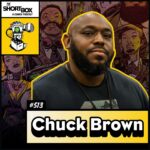
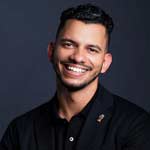
Badr Milligan
0:00
In
this
episode
of
the
short
box.
SPEAKER_03
0:02
Comments
are
visual
medium,
you
know.
And
if
you
can
um
show
that
ugly
on
the
inside
on
the
outside,
that's
the
advantage
of
using
monsters
in
these
creatures,
you
know.
Also
people
are
a
lot
of
fans
of
monsters,
right?
You
get
a
lot
of
eyes
on
it,
you
know.
And
um
you
spoon
towards
trigger
that
the
medicine
go
down,
right?
You
know,
you're
dealing
with
this
this
creature,
you
know,
but
really
it's
you
know,
this
could
be
your
next
door
neighbor,
right?
You
know,
it
could
be
your
it
could
be
your
kids,
teacher,
right?
That's
the
that's
the
that's
the
message
we
kind
of
want
to
send,
you
know.
That
you
know,
they're
they're
monsters
among
us,
right?
You
just
gotta
be
vigilant.
Badr Milligan
0:35
Ladies,
short
box
podcast
is
recorded
live
from
Jacksonville
Florida.
Shortbox
Nation,
hello
again,
welcome
back,
and
thanks
for
pressing
play
today.
If
you're
brand
new,
welcome
to
the
show.
I'm
your
host,
Fodder
Milligan,
and
this
is
the
Short
Box
Podcast,
the
comic
book
talk
show,
where
we
bridge
the
gap
between
the
panels
of
your
favorite
comics
with
the
people
who
put
their
blood,
sweat,
and
tears
into
making
them.
This
is
episode
513,
and
today
I'm
joined
by
comic
writer
Chuck
Brown.
And
Chuck
isn't
just
any
old
comic
writer,
alright?
He's
a
two-time
Eisner
award-winning
writer
and
the
co-creator
of
the
mega
smash
hit
comic
series
Bitterroot,
alongside
Sandra
Green
and
David
Walker.
His
other
work
includes
stories
for
Marvel
and
DC
like
Punisher,
Black
Panther,
Aquaman,
Black
Manta,
and
Superman.
He's
also
won
awards
for
his
other
independent
and
creator-owned
work
like
the
Ringo
Award-winning
webcomic
1000.
And
come
October,
he'll
be
adding
a
new
series
to
his
already
very
impressive
resume
with
the
launch
of
Supernatural
Dean
Winchester
number
one.
It's
coming
out
through
Dynamite
Entertainment
with
artist
Rafa
Labosco.
So
we
have
a
lot
of
fun
stuff
to
talk
about
this
episode.
But
before
we
get
started
on
that,
hey,
big
shout-outs
to
our
sponsor
and
supporters,
including
Gotham
City
Limit
Comic
Shop.
It's
not
only
the
longest
running
sponsor
of
the
podcast,
but
it's
also
the
best
comic
shop
in
Northeast,
Florida,
is
my
personal
comic
shop.
So
there's
obviously
some
bias
there.
But
if
you
live
in
Jacksonville,
you
can
check
it
out
for
yourself.
Visit
them
today
on
Southside
Boulevard.
And
if
you
don't
live
in
the
area
at
all,
well,
good
news,
you
can
buy
comics
for
them
online
at
GothamCityLimit.com.
And
what
kind
of
mild-mannered
podcast
host
would
I
be
if
I
didn't
shout
out
the
loyal
supporters
over
on
the
short
box
Patreon?
Big
shout
out
to
the
Patroni
homies.
Thank
you
for
your
support
and
thank
you
for
helping
me
keep
the
lights
on
here
at
Shortbox
HQ.
If
you're
not
a
Patroni
homie
just
yet
and
you
enjoy
the
show
and
you
want
to
be
counted
among
the
short
box
elite,
well,
consider
becoming
a
short
box
patroni
at
patreon.com
slash
the
shortbox
for
less
than
five
bucks
a
month,
which
is
just
about
the
same
price,
if
not
cheaper
than
a
single
Marvel
comic
nowadays.
You
get
a
lot
of
cool
perks
and
rewards
in
exchange
for
your
support.
And
most
importantly,
I
think
you
get
to
be
immortalized
in
short
box
history
for
the
shout-out
by
name
at
the
end
of
every
episode.
Once
again,
that's
patreon.com
slash
the
short
box.
Now,
without
further
ado,
let's
bring
on
our
guest
of
honor
today,
calling
in
all
the
way
from
South
Carolina.
It's
comic
writer
Chuck
Brown.
Hey
Chuck,
welcome
to
the
show.
SPEAKER_03
3:23
What's
up,
man?
How
you
doing,
man?
Thanks
for
having
me.
Badr Milligan
3:26
I'm
doing
well,
man.
And
it's
uh
it's
an
honor
having
you.
Uh
I
feel
like
that
Shaq
meme,
I
was
unfamiliar
with
the
totality
of
your
game.
Uh,
you've
gotten
a
lot
of
rewards
to
your
name,
man.
I'm
like,
damn,
guys
been
out
here
grinding,
putting
in
the
work.
Yes,
sir,
yes,
sir.
Man,
um,
you
know,
and
I
guess
talking
about
the
accolades
and
your
very
impressive
uh
bibliography,
um,
you
know,
we'll
talk
we'll
touch
on
a
lot
of
that,
but
I
want
to
go
backwards
to
start.
You
know,
uh
before
we
talk
about
any
of
that,
when
you
were
growing
up
in
uh,
and
I
believe
it's
Lotta,
South
Carolina,
did
becoming
Latta,
did
becoming
a
professional
comic
book
writer
even
seem
like
a
real
job
a
person
could
have?
Like
when
did
it,
like
when
did
it
click
for
you
that
making
comics
could
be
much
more
than
just
like
a
childhood
dream?
SPEAKER_03
4:15
I
mean,
like
um
like
a
lot
of
us,
it
started
out
as
just,
you
know,
as
a
fan,
you
know,
watching
Saturday
morning
cartoons,
and
my
brother
used
to
buy
me
comics,
you
know,
and
I
used
to
get
comics
from
the,
you
know,
the
spin
rack
at
the
uh
pharmacy
back
in
the
day.
And
um,
at
some
point
I
just
started
creating
characters,
giving
them
origins
and
powers
and
abilities,
but
I
never
really
perceived
of
it
as
a
job
at
all.
It
was
all
just
me
having
fun
creating
it,
you
know,
and
something
I'd
wanted
to
do
all
the
time,
but
um
I
wasn't
aware
that
it
was
a
job
that
I
could
uh
you
know
aspire,
aspire
to,
you
know.
Badr Milligan
4:48
So
do
you
recall
what
what's
your
earliest
memory
of
a
comic
book?
Like
what
do
you
remember
the
first
comic
book
you
ever
opened
or
read?
SPEAKER_03
4:55
Oh
yeah.
Oh
yeah,
yeah.
Oh,
you've
got
it.
Badr Milligan
5:02
Oh,
what
do
we
got?
What
do
we
got?
All
right,
for
the
for
the
audio
listeners.
What
do
we
got?
SPEAKER_03
5:06
This
is
Avengers,
Avengers
with
number
306.
Oh
my
god,
yeah.
Earliest
a
memory
of
a
comic
is
this.
And
this
isn't
the
original
book
that
I
had.
I've
got
this
off
eBay
like
a
few
years
ago.
Badr Milligan
5:20
Yeah,
yeah.
SPEAKER_03
5:21
But
um,
but
yeah,
yeah,
this
is
one
of
the
original
ones.
Badr Milligan
5:24
I
actually
that
cover,
uh
I
know
that
cover
because
my
dad
actually
probably
has
it
in
his
uh
collection
right
now.
Um
Avengers
306.
I
just
pulled
up
the
stats
on
this.
Art
by
Paul
Ryan
and
Tom
Palmer,
written
by
John
Byrne.
That's
pretty
cool.
SPEAKER_03
5:42
Oh,
nice,
nice.
But
that's
my
earliest
memory
of
a
comic,
and
I
just
um
kind
of
bought
it
on
a
whim
a
few
years
ago.
Yeah.
Badr Milligan
5:50
Who
was
your
favorite
comic
book
creator,
whether
it
be
a
writer,
artist,
uh
colorist,
whatever
it
may
be?
Who's
your
favorite
comic
creator
growing
up?
SPEAKER_03
5:57
Uh
growing
up,
um,
you
know,
it
was
you
know,
mostly
it
was
just
um,
you
know,
anything
Stan
Lee
was
doing
at
the
time.
You
know,
I
was
a
huge
Stan
Lee's
fan,
he's
a
Spider-Man
fan.
Um,
more
as
an
adult.
Um
kind
of
became
Dwayne
McDuffie.
Nice,
you
know,
Christmas,
what
he
was
doing
with
Black
Panther
back
in
the
day
and
stuff.
That
was
cool.
Um,
Todd
McFarlane
was
a
huge
impact
on
me
because
that
was
the
first
comic
that
was
like,
you
know,
I
was
in
college
at
the
time,
and
it
was
like,
you
know,
it
wasn't
just
for
kids,
it
was
just
raw,
unfiltered
storytelling.
Yeah.
Yeah.
And
the
artwork,
of
course,
the
artwork
was
insane,
was
insane.
So
those
are
the
ones
that
kind
of
stood
out
to
me
the
most,
I
guess,
coming
up
of
growing
up.
Yeah.
Badr Milligan
6:38
Before
I
hit
record,
we
were
we
were
talking,
and
and
and
I
told
you
that
I
ended
up
learning
that
you
worked
in
IT
uh
for
a
good
bit.
Uh
actually,
uh,
so
you
worked
IT
at
the
University
of
South
Carolina.
And
if
if
I
what
I
read
was
right,
you
worked
uh
I
like
a
full-time
IT
job
up
until
like
2021,
is
that
right?
SPEAKER_03
6:57
Yeah,
2021,
yeah,
yeah.
That's
when
I
kind
of
broke
off
of
just
kind
of
focused
on
comics
full
time.
Badr Milligan
7:02
Like,
what
was
the
moment
that
you
knew,
hey,
it's
time
for
me
to
leave
this
job
and
pursue
comics
all
the
way?
SPEAKER_03
7:08
It
was
it
was
2020
during
the
pandemic.
Lost
a
lot
of
people,
man,
and
and
things
were
kind
of
scary
for
a
while.
So
just
you
know,
just
kind
of
took
a
look
at
my
life.
It
was
like,
you
know,
why
not
now,
right?
And
I
just
took
the
leap
forward
and
just
went
for
it.
Badr Milligan
7:21
So
that's
awesome.
I
um
I
told
you
uh
I
also
uh
come
from
an
IT
background,
and
I've
had
many,
I
feel
like
I've
had
many
of
those
uh
conversations
with
myself
lately
about
you
know
taking
the
plunge
and
trying
to
do
something
uh
creative
a
full
time.
I'm
not
quite
there
yet,
but
I
do
find
your
story
uh
very
inspiring.
Just
like
uh
just
entertainment
here.
Is
there
any
overlap
from
like
the
world
of
IT
into
comics?
Like,
is
there
any
skills
from
that
old
life
in
that
world,
in
that
job
that
that
you
found
come
in
handy,
that
has
come
in
handy,
I
guess,
being
a
comic
creator?
SPEAKER_03
7:56
Oh,
just
you
know,
just
being
aware
of
technology
and
of
its
advancements
and
how
it
can
benefit
us,
but
also
how
it
can,
you
know,
freaking
kill
us,
right?
You
know,
just
seeing,
just
being
aware
of
what
we're
using
and
how
we're
using
it.
And
I'm
um
I'm
not
that
huge
of
a
techie
guy,
but
I'm
just
uh
aware
of
the
technology
that
we're
using
right
now
for
art
and
how
it
can
be
dangerous,
right?
But
it
also
can
be
extremely
beneficial
in
a
way.
Ironically,
I
was
in
IT
and
a
history
department,
right?
So
it
wasn't
the
IT
necessarily
decided
to
translate
it,
but
as
we
were
working
on
Bitterroot,
you
know,
I
used
to
always
go
to
certain
professors'
office
and
say,
hey,
was
this
a
thing?
Was
this
a
thing?
What
book
would
you
recommend?
That
kind
of
thing.
So
I
kind
of
had
this
source
like
right
there
as
Bitterroot
was
being
developed.
Or
anything
I'm
working
on
that
has
an
alternative
history,
you
know,
I
used
to
always
go
to
these
guys
because
it
was
um
really
fascinating
seeing
there's
so
many
different
facets
of
history.
There
was
a
guy
that
teached
video
game
history
at
the
university,
there
was
a
guy
that
taught
occult
history
at
the
college.
So
it
was
it
was
um
I
had
a
really
great
access
to
some
really
good
resources
for
just
building
comics
in
general
overall.
Badr Milligan
9:04
I
read
somewhere
too
that
while
you
were
in
uh
because
you
didn't
go
to
the
University
of
South
Carolina,
you
went
to
Benedict
College.
Um
I
read
somewhere
that
that's
where
you
really
got
into
like
self-publishing.
I
think
you
found
like
some
other
aspiring
writers
and
and
creators.
Like
I
guess
how
beneficial
or
or
how
important
were
were
those,
I
guess,
early
building
blocks.
SPEAKER_03
9:23
So
that
was
huge,
man.
Badr Milligan
9:24
What
do
you
remember
from
that
time?
SPEAKER_03
9:25
Just
um
being
on
the
hustle,
man,
knowing
nobody,
nobody
knowing
who
you
were
or
caring
who
you
are
and
not
having
any
workout.
So
you
just
kind
of
had
to
put
it
out
yourself.
Especially
as
a
writer,
right?
Even
as
a
as
an
artist,
you
know,
you
can
still,
you
know,
do
a
cool
commission
of
of
Batman
or
Spider-Man
or
something,
or
or
of
your
own
creative
own
character
and
get
it
out
into
the
world.
But
as
a
writer,
you
have
to
kind
of
build
it,
right?
So
we
had
to
we
had
to
collaborate
with
artists
and
letterers
and
colorers
and
all
people
that
wanted
to,
you
know,
rise
up
in
the
industry
as
well.
So
we
kind
of
collaborated
and
put
our
own
books.
So
um
as
a
writer,
it's
a
little
bit
different.
You
had
to
kind
of,
if
you
wanted
to
do
it,
you
had
to
do
it.
You
had
to,
you
had
to
you
had
to
learn
the
business
side,
the
publishing
side,
and
you
know,
the
production
side
and
and
get
a
book
out
there
into
the
world
so
it
can
be
your
living
resume.
Badr Milligan
10:13
Yeah.
Well,
I
I
guess
like
where
did
you
learn
this?
Like,
was
it
uh
among
uh
the
this
group
that
you
formed?
Was
it
like
were
you
going
online,
books?
SPEAKER_03
10:20
Yeah,
yeah,
it
was
um
called
803
Studios.
We
just
learned
together,
um
going
to
a
lot
of
comic
book
conventions,
talking
to
other
creators
at
comic
book
conventions.
There
was
a
guy
at
owned
a
little
comic
book
shop
here
in
in
Columbia,
South
Carolina,
Eric,
um
at
Scratch
and
Span.
He
has
his
own
comic
book
shop.
He
was
self-publishing
long
before
we
were
back
back
in
the
early
2000s.
So
we
learned
a
lot
from
him,
right?
So
how
to
do,
what
to
do,
what
not
to
do.
And
um,
yeah,
we
started
putting
our
own
books
and
you
know,
we
got
a
little
bit
of
traction,
a
little
bit
of
attention,
so
it
was
fun.
Badr Milligan
10:48
And
uh
uh
during
um
your
time
at
Benedict
College,
is
that
where
you
met
Sanford
Green?
Is
that
right?
Yeah,
yeah,
I
met
him
there.
SPEAKER_03
10:55
Yeah,
he
was
um
he
had
already
done
a
book
with
um
a
friend
of
ours,
um,
Bruce
Brown
at
the
time.
And
I
remember
um
I
was
in
art
class
as
a
freshman,
and
they
were
like,
hey,
there's
a
guy
that
does
comic
books
doing
a
gallery
show.
So
I
went
down
to
the
gallery
show
as
a
freshman,
and
it
was
Sanford.
You
know,
he
had
his
artwork
on
the
wall
in
the
middle
of
the
gallery.
So
that's
kind
of
how
I
didn't
really
I
I
had
a
conversation
with
him,
but
I
didn't
actually
meet
him
until
like
years
later
to
when
we
started
self-publishing,
and
we
actually
got
him
on
a
cover
for
one
of
the
books
that
we
were
self-publishing.
Badr Milligan
11:26
Do
you
remember
what
was
the
first
image
drawing,
whatever
it
may
be,
that
Sanford
Green
did
that
you
that
you
saw?
Like,
do
you
recall
the
first
Sanford
Green
piece
of
art?
SPEAKER_03
11:37
I
can't
remember.
It
was
like
I
said,
that
guy
that
published
the
book
called
Stranger
Tales
long
before
like
I
published
803
with
my
group
of
studio
mates.
And
um,
I
remember
Sanford's
art
being
that
book,
but
that's
kind
of
like
my
earliest
memory
of
like
it
was
like
a
black
and
white
image.
I
can't
remember
the
name
of
the
book,
but
he
had
illustrated
it
and
it
was
written
by
Bruce
Brown.
It
was
in
Stranger
Tales,
number
one.
unknown
12:00
Yeah.
Badr Milligan
12:00
Hmm.
I
guess
like
w
when
you
think
back
about
like
first
meeting
uh
Sanford,
did
you
I
guess
did
you
know
he
was
going
to
be
like
this
absolutely
like
incredible
artist
that
you
know
anything
he
touches
it
sells
out
and
people
are
talking
about
it?
Or
did
it
catch
you
by
surprise
too,
where
you're
like,
holy
shit,
like
what
look
at
where
we're
at
right
now.
SPEAKER_03
12:21
And
we
were
just
all
in
the
trenches
at
the
time,
right?
We
were
all
in
the
trenches.
We
were
really
thinking
about
it,
you
know.
Um,
I
knew
he
was
talented,
I
knew
he
had
skills,
you
know,
I
knew
he
was
already
further
ahead
in
the
industry
than
I
was,
you
know.
But
you
just
never
see
it
coming,
man.
You
just
kind
of
keep
your
head
down,
focus,
put
out
the
best
work
you
can.
Yeah,
you
know,
you
wake
up
with
a
couple
hours,
and
it's
it's
kind
of
crazy.
It's
about
the
yeah.
Badr Milligan
12:43
Can
I
ask
you
a
uh
a
silly
and
maybe
uh
a
personal
question?
No,
that's
okay.
Do
you
we're
on
a
podcast
and
I'm
asking
if
I
can
ask
you
a
question?
Uh
uh
Do
you
remember
what
you
bought
with
your
first
check
from
comic
books?
Like
the
first
substantial
check
that
you
got
from
writing
comics.
Do
you
remember
like
the
first
thing
you
bought?
I've
always
been,
I
don't
think
I've
ever
asked
anyone
this.
I've
always
been
curious
what
do,
you
know,
like
first-time
writers
buy.
SPEAKER_03
13:14
Man,
money
comes
in
and
out.
I
mean,
I
don't
even
remember
what
it
was.
Um
maybe,
maybe,
maybe
the
mortgage,
I
think.
That'd
be
you
know,
something
like
that.
But
but
no
um,
no,
I
will
tell
you
this.
When
what
what
I
do
try
to
do
with,
you
know,
when
I
get
some
extra
money
is
that
I
try
to
buy
a
figurine
or
a
statue
of
a
character
that
I've
worked
on,
right?
So
I
try
to
buy
black
mana
toys,
you
know.
Um
I
try
and
I
still
haven't
found
Red
Sonya
or
Vampirella
toys
at
all.
Wow.
Like
a
pop.
I
can't
even
find
a
pop
for
some
reason.
I
don't
know.
Maybe
I'm
not
working
hard
enough.
Yeah,
yeah,
yeah.
I
don't
think
I
well,
no,
I
may
have
a
red
Sonya
pop.
I
think
a
Red
Sonya
pop.
But
um,
you
know,
Supernatural.
I'm
trying
to
find
a
pop
for
that.
Um
I'm
trying
to
find
uh
action
figure
for
um
Valzad
Superman.
I
did
a
um
I
did
a
short
story
with
um
Dennis
Cowan.
Um
wow,
that's
the
guy.
Superman,
red,
red,
and
blue.
So
um
haven't
found
one
of
those.
Badr Milligan
14:07
And
so
do
you
know
that
absolutely
tickles
me
and
also
makes
me
extremely
excited
to
hear
other
people
go
about
uh
I
do
something
very
similar
for
video
games.
When
I
beat
a
game,
I'll
buy
like
I'll
try
to
buy
like
a
trophy,
like
and
it's
usually
like
a
figure
or
you
know,
like
like
you
said,
like
a
pop
or
something.
Um
like
I
recently
beat
uh
this
game
called
Black
Myth
Wukong,
and
there's
nothing
for
Black
Myth
Wukong,
so
I
had
to
miss
out
on
that.
But
like
when
I
beat
this
Ghost
of
Yotai
game,
I'll
see
if
there's
like
an
Atsu
figure
or
something
like
that.
So
it's
pretty
cool
that
you
get
that
you
also
collect
like
trophies
of
these
moments.
I
wish
mine
was
like
a
lot
more
like
successful.
SPEAKER_03
14:47
No,
that's
that's
still
cool
though.
That's
awesome,
man.
I
never
really
thought
of
it
before
as
a
trophy.
That's
very
interesting,
that's
very
interesting.
Badr Milligan
14:54
Sometimes
I'll
even
buy
like
just
a
figure
or
something
if
I've
like
like
when
I
uh
during
speaking
about
uh
COVID
and
and
the
pandemic,
I
used
that
time
to
read
through
the
entire
uh
series
of
Lone
Wolf
and
Cub.
Like
it's
you
know
I
think
I
forget
if
it's
24
or
42
volumes,
but
it
was
a
long
ass
series,
and
I
remember
it
just
having
such
a
an
amazing
journey
of
that
story.
I
wanted,
I
didn't
end
there
buying
like
a
shirt,
like
a
lone
wolf
and
cub
shirt.
So
I
I
even
do
that
with
like
stories
and
comics
that
mean
a
lot
to
me
or
series
that
like
have
spoken
to
me.
I'll
I'll
buy
like
a
little
trinket
or
uh
memorabilia.
SPEAKER_03
15:29
Right,
right,
right,
right.
Like
I'll
I'll
if
I'm
working
on
a
licensed
property,
like
you
know,
I'll
I'll
binge
the
show,
not
just
for
the
research,
but
also
just
to
immerse
myself
in
the
moment,
you
know
what
I'm
saying?
Like
I'll
watching
over
and
over
and
over
again,
you
know,
just
being
a
part
of
it.
You
know,
you're
like
a
part
of
the
the
world
now,
right?
You
beat
the
game,
so
you're
like
you're
part
of
this,
you
know,
a
special,
you
know,
special
part,
you're
a
special
part
of
the
game.
You're
a
part
of
the
team
in
a
sense,
you
know.
Badr Milligan
15:54
Damn,
that
means
a
lot.
I've
never
uh
I've
never
worded
it
that
way,
but
I
can't
wait
to
use
that
next
time
my
wife
is
like,
why
are
you
buying
another
figure
in
this
house?
I'm
like,
baby,
I'm
part
of
the
team.
It's
for
my
soul,
baby.
Yeah,
rock
star.
I'm
part
of
the
rockstar
team.
GTA
6,
that's
me.
I
did
that.
Chuck,
what
would
you
say?
What's
your
favorite
part
of
the
comic
making
process?
And
I
and
I'm
asking
holistically,
right
now
uh
is
it
is
it
writing?
Is
it
coming
up
with
characters?
Is
it
getting
the
art
back
for
the
first
time?
Is
it
traveling
for
comic
cons?
Like
if
you
had
to
pick
just
one
part
of
the
entire
comic
making
process,
what
what
would
you
say
is
your
favorite
part?
SPEAKER_03
16:35
Wow,
just
one
part?
Just
one
part.
Just
one.
I
think
it's
um
like
really
early
on
when
you
um
get
the
idea
and
then
you
start
building
these
characters
of
who
they
are,
you
know,
why
they
do
the
things
they
do,
the
trauma
they've
experienced,
the
triumphs
they've
experienced.
You
just
kind
of
get
hyped
and
excited
about
creating
these
people,
these
characters,
right?
In
this
world
around
them.
That's
a
fun
part,
you
know,
the
fun
just
this
building
that
world,
building
these
characters,
building
the
relationships
between
the
characters,
you
know?
Is
it
a
love
story?
Is
it
a
rivalry?
You
know,
do
they
hate
each
other?
Do
they
love
each
other?
SPEAKER_02
17:09
Yeah.
SPEAKER_03
17:10
Do
they
need
each
other
and
don't
know
it
yet?
That
type
of
thing,
you
know?
Yeah,
yeah.
Badr Milligan
17:13
Uh,
how
much
of
the
writer
that
that
you've
become
is
specifically
the
product
of
growing
up
in
South
Carolina?
Like,
does
South
Carolina
and
your
surroundings
and
where
you
were
raised
and
worked
at,
like,
does
that
feed
into
your
work
uh
in
any
way?
No,
it
fee
into
it
a
lot.
SPEAKER_03
17:28
Yeah,
definitely.
Um,
you
know,
we
always
grew
up
with
um
a
garden
every
year,
you
know.
And
uh
and
now
I
do
it
now
as
an
adult
when
I,
you
know,
got
older.
So,
you
know.
You
said
a
garden?
Garden,
yeah.
We're
already
my
mom
just
always
gardening.
Yeah,
yeah.
So
it's
just
a
big
part
of
my
life.
And
you
know,
that
working
the
roots
kind
of
found
its
way
into
bitter
root
in
a
sense,
you
know.
And
also
other
characters
and
things
that
I
developed.
Yeah,
it
has
it
has
it
seeps
into
my
work
every
now
and
again.
I'm
working
on
a
creator
on
property
that's
actually
set
in
Lada,
actually.
Um,
it's
still
in
development
right
now.
That's
gonna
be
a
big
part
of
the
story
that
I'm
developing
like
now.
But
up
until
now,
it's
kind
of
seeped
in
here
or
there.
But
in
this
upcoming
project,
you'll
see
a
lot,
a
lot
of
um
where
I
grew
up
and
what
shaped
me
as
a
creator
and
a
writer.
Badr Milligan
18:13
Oh,
that's
cool.
You
know,
speaking
about
Bitterroot,
I
mentioned
that
you've
won
like
a
couple
awards,
Eisner
awards
off
of
uh
Bitterroot.
Like,
and
I've
always
been
curious
when
it
comes
to
winning
an
Eisner
or
those
type
of
Ringo
Awards,
et
cetera,
et
cetera.
Like,
how
did
it
change
things
for
you?
SPEAKER_03
18:28
Just
a
few
more
eyes
on
you,
you
know,
just
in
general,
you
know,
just
um
from
fans,
from
the
industry,
from
um
other
companies,
from
your
peers,
just
a
few
more
extra
eyes,
not
a
huge
change.
You
know,
you
what
is
winning
a
second
one
do
for
you
then?
Um,
it's
about
the
same,
man.
You
know,
um,
you're
always
gonna,
you
know,
I
have
a
little
bit
of
imposter
syndrome,
you
know,
just
a
little
bit.
So,
you
know,
there's
there's
always
that
thinking
about,
you
know,
all
that
came
before
you
to
have
an
eyes
on
it,
right?
Very
proud,
very
honored.
More
opportunities
definitely,
more
doors
will
open
for
you.
That's
I
can
definitely
say
that.
I've
definitely
opened
some
doors
to
actually
do
more
projects,
do
have
more
opportunities
and
more
exposure.
Badr Milligan
19:09
Uh
also
speaking
about
Bitter
Root,
I've
been,
I'm
halfway
through
the
second
arc
of
Bitter
Root
right
now,
um,
the
next
movement.
And
I've
I
noticed
that
there's
a
time
jump,
you
know,
from
the
original
series.
Uh,
the
next
movement
jumps
ahead
to
1964.
And
I
want
to
know
what
became
possible
once
you
moved
the
story
into
the
civil
rights
era
versus
you
know
the
Harlem
Renaissance
time
frame.
SPEAKER_03
19:35
So
it
was
um,
you
know,
you
had
to
definitely
think
about
updating
the
technology.
Badr Milligan
19:39
Right.
SPEAKER_03
19:39
Um,
how
do
you
update
technology
then
you're
still
technically
in
the
past,
right?
So
um,
we
drew
a
lot
from
like
um
Lost
in
Space,
challenges
from
the
unknown,
um,
things
of
that
sort.
And
of
course,
with
you
know,
elections
being
a
big
part
of
our
reality,
right?
The
civil
rights,
you
know,
the
civil
rights
movement
and
the
and
the
voting
rights
act
was
a
huge
part
of
that
time
period.
So
again,
a
lot
of
hate
occurring
at
that
time.
So
we
had
to
focus
on
that,
and
then
you
know,
how
do
we
how
do
we
deal
with
it?
You
know,
it
do
you
cure
these
creatures
or
do
you
they
need
to
be
anchored
in
a
sense?
Badr Milligan
20:11
So
you
know,
I
noticed
that
whether
it's
Bitterroot
or
1000
or
you
know,
any
of
the
the
licensed
stuff
that
you
work,
well,
regardless
of
how
the
world
changed,
you
keep
coming
back
to
monsters,
violence,
trauma,
and
and
people
just
trying
to
survive
something
that's
infected
their
world.
I
I
guess
what
what
do
monsters
allow
you
to
say
about
society
or
a
story
uh
that
that
straightforward
like
drama
just
doesn't
give
you
the
ability
to?
SPEAKER_03
20:42
You
know,
comics
are
a
visual
medium,
you
know,
and
if
you
can
um
show
that
ugly
on
the
inside
on
the
outside,
that's
the
advantage
of
using
monsters
and
its
creatures.
Also,
uh
people
are
a
lot
of
fans
of
monsters,
right?
You
get
a
lot
of
eyes
on
it,
you
know.
And
um
you
get
a
spoonful
of
sugar
that
has
the
medicine
go
down,
right?
You
know,
you're
dealing
with
this
this
creature,
you
know,
but
really
it's
you
know,
this
could
be
your
next
door
neighbor,
right?
You
know,
it
could
be
your
your
kids,
a
teacher,
right?
That's
the
that's
the
that's
the
message
we
kind
of
want
to
send,
you
know,
that
you
know
there
are
there
are
monsters
among
us,
right?
But
you
gotta
be
vigilant,
right?
And
not
saying
be
afraid,
but
just
be
vigilant
and
be
aware.
Badr Milligan
21:19
Yeah.
On
on
that
topic,
I
do
think
that
the
concept
of
the
genu
is
such
an
interesting
way
of
addressing
hate
and
racism.
And
then,
like
you
said,
like
giving
it
a
it
feels
weird
saying
a
cool
in
the
same
sentence,
but
like
a
cool
visual
narrative
too.
Um
I
I
I
guess
if
you
don't
mind,
I
know
this
is
like
such
a
boilerplate
question,
but
how
did
the
idea
of
of
bitter
root
come
together
and
how
did
this
trifecta
of
you,
Sanford
Green
and
David
Walker,
all
come
together?
SPEAKER_03
21:50
Like
I
said,
a
lot
of
books
we
draw
from
life
experiences,
right?
You
know,
I
grew
up
seeing
a
lot
of
movies
and
film
and
comics,
you
know,
where
we're
the
sidekicks,
right?
Or
we
died.
We
died
at
the
beginning
of
the
of
the
movie
or
the
of
the
show,
right?
So
I
just
wanted
to
create
myself
with
a
powerful,
positive
light.
And
I'm
at
the
time,
I
was,
you
know,
anything
I
created,
you
know,
was
black
characters,
right?
Yeah,
I
was
just
it
was
just
me,
just
you
know,
doing
indie
stuff
and
doing
it
my
own,
and
you
know.
And
um
I
came
up
with
the
you
know,
Fan
Britain
Holland
Renaissance
that
hunts
and
curios
monsters.
And
at
the
time,
me
and
Sam
were
kind
of
hanging
out
every
now
and
again,
um
and
he'd
ask
every
now
and
again
what
I'm
working
on.
And
then
I
mentioned
that,
and
that
kind
of
sparked
his
interest,
right?
And
then
he
started
asking
for
me
to
send
him
references
for
character
designs.
Which
I
didn't
think
he
didn't
think
he
was
serious,
right?
So,
you
know,
kind
of
put
it
off
a
little
bit.
And
then
he
kept
texting
me,
he
said,
Hey,
send
those
character
designs.
So
I
just,
you
know,
I
did
a
I'd
write
up
all
the
characters,
you
know,
I
sent
a
bunch
of
references,
and
he
came
back
with
all
these
designs,
and
he
was
hyped
about
it.
He
was,
you
know,
he
was
he
wanted
to
move
forward.
Um,
I
had
written
a
script
for
it,
um,
things
kind
of
stalled
a
little
bit.
He
was
doing
more
stuff
at
DC.
He
started
doing
stuff
with
David
Walker.
I
was
doing
more
indie
stuff.
And
um,
him
and
David
did
um
Power
Man
and
Iron
Fist
together.
Yeah,
I
remember
that
series.
And
which
is
set
in
Harlem,
right?
And
they
had
a
bunch
of
ideas
for
in
Harlem,
for
a
series
set
in
Harlem.
And
me
and
Sanford
already
had
what
we
were
doing,
so
we
kind
of
all
kind
of
pulled
our
resources,
became
collaborators,
and
um
kind
of
redesigned
things
a
little
bit
from
the
original
idea.
And
um,
yeah,
here
we
are.
Badr Milligan
23:24
It's
been
a
smash
ever
since.
I
guess
what
when
you
think
about
like
when
you
know,
like
when
you
think
about
like
what
the
book
was
going
to
be,
what
you
initially
envisioned
and
what
it
has
become,
that
like
what's
caught
you
by
surprise?
Is
there
anything
about
its
success
or
where
what
it
is
now
that
you
did
not
anticipate
in
those
early
days
when
you
were
coming
up
with
the
concepts
and
just
kind
of
like
you
know,
forming
this
idea
of
bitter
root?
SPEAKER_03
23:49
I
guess
when
you're
creating
something,
you
just
want
to
get
it
out
into
the
world.
You
want
to
get
it
done,
you
want
to
get
the
artwork
back,
you
want
to
have
it,
you
know,
want
to
be
the
best
the
best
work
you
put
out.
Um,
you
want
to
get
it
published,
but
I
never
really
anticipated
having
fans
of
the
IP
like
this.
Like
this
many
fans
that
like,
you
know,
and
that's
a
lot
of
them.
It's
a
lot
of
them,
bro.
Like
it's
amazing.
Right,
which
is
wild,
which
is
wow.
So
I
wasn't
anticipating
that.
That
kind
of
caught
me
off
guard
a
little
bit.
Badr Milligan
24:18
Yeah.
SPEAKER_03
24:19
But
it's
cool
and
grateful.
Badr Milligan
24:20
So
you
know
what
I
like
about
uh
what
I
especially
like
about
you,
Chuck,
is
I
was
stalking
your
Instagram
today.
Like
I
do
for
any
guest,
all
right?
Uh
I
do
for
all
guests,
I'd
look
at
their
Instagram,
see
what
they
post,
get
inside
their
mind.
And
what
I
enjoyed
about
your
feed
is
that
you
don't
post
a
lot,
your
camera
doesn't
go
the
other
way.
It
doesn't
face
you
a
lot.
You
don't
take
a
lot
of
photos
of
yourself.
A
lot
of
your
photos
are
your
point
of
view
from
behind
uh
the
table
at
a
convention.
You
have
a
lot
of
uh
photos
from
conventions,
but
especially
photos
of
fans
and
cosplayers.
You
recently
posted
a
photo
of
twins
dressed
up
as
blank
men.
I
thought
that
was
pretty
awesome.
I
don't
know
if
they
were
twins
or
not.
SPEAKER_03
24:56
They
look
like
they
were
twins.
But
I
don't
know
if
they
were
twins,
but
they
were
just
two.
Yeah,
it
was
cool.
Yeah,
yeah.
Badr Milligan
25:01
So,
you
know,
I
was
like,
oh,
this
is
really
cool.
He's
got
like
uh,
I
mean,
photos
after
photos
of
cosplayers
at
your
table,
uh,
you
know,
just
fans
walking
by.
How
much
of
the
Comic
Con
experience
do
you
do
you
enjoy
going
to
like
conventions
a
lot?
Or
is
it
just
like
a
necessity,
or
do
you
especially
like
it?
SPEAKER_03
25:17
Well,
I
have
to,
you
know,
have
to
be
behind
the
table
the
whole
time.
So
those
pictures
of
me
taking
pictures
of
the
cosplayers,
that's
me
kind
of
enjoying
myself,
right?
That's
that's
me
kind
of
trying
to
enjoy
the
con
because
I
think
it's
cool,
you
know,
to
see,
to
see
that,
you
know,
I'm
a
fan
of
that.
If
you
see
if
someone
holding
a
book,
it
just
happened
to
be
cosplayers
that
are
buying
a
book,
right?
But
uh
yeah,
it's
I
try
to
do
it,
I
try
to
do
a
nice
balance,
right?
You
know,
I
know
I
gotta
be
behind
the
table,
you
know,
to
greet
people
and
see
people,
but
every
now
and
again
I
want
to
get
up
and
kind
of,
you
know,
I
want
to
look
and
see
what
artists
are
there,
right?
That's
also
a
part
of
the
job.
It's
fun,
but
it's
also
a
part
of
the
job
to
kind
of
find
new
artists,
right?
New
cover
artists,
new
interiors,
see
what
I
can
collaborate
with
in
the
future,
just
see
who's
there,
you
know.
Badr Milligan
25:58
So
who's
the
last
artist
that
you
uh
found,
met,
uh
whatever
adjective
you
want
to
use
at
a
convention?
Who's
the
last
like
artist
that
you
were
at
a
convention?
You
were
like,
holy
shit,
I
need
to
work
with
you
on
something.
SPEAKER_03
26:10
Oh
yeah,
it
was
uh
Apollo
H.
Mel.
He
did
Vampire
versus
Red
Sonia.
Came
out
two
months
ago.
Badr Milligan
26:16
Okay.
Yeah,
yeah.
SPEAKER_03
26:17
Apollo
H.
Male.
He
was
the
last
one.
Yeah,
yeah.
And
um,
you
know,
I
just
saw
his
stuff.
He
had
already
done,
he
already
had
a
nice
portfolio
of
other
work.
So
I
just
sent
it
um
over
to
the
editor
and
say,
hey,
if
you're
looking
for
somebody,
this
guy's
ready.
You
know,
oh
wow,
that's
cool.
It
just
worked
out,
and
this
his
pencils
were
insane,
man.
He's
really
good,
really
talented.
Yeah.
Badr Milligan
26:35
Considering
what
one
of
your
best
friends,
your
longtime
collaborators,
is
Sanford
Green,
where
the
so
the
bar
is
here.
What
is
what
does
Chuck
Brown
look
for
in
a
young,
aspiring,
hungry
like
artist?
Like
what
when
you're
looking
at
like
a
portfolio
from
a
brand
new
artist,
like
what
what
are
you
looking
for?
Are
there
any
signs
that
tell
you,
like,
hey,
this
guy
is
ready
for
the
next
level?
Consistency.
SPEAKER_03
26:57
I'm
a
writer,
right?
Like,
um
I
try
to
study
art
wherever
I
can
so
I
can
be
more
articulate
on
the
subject,
but
I
just
know
I
know
what
I
like
when
I
see
it,
right?
So
um
I
just
look
for
consistency
in
your
portfolio.
Everything
is
a
banger,
everything
is
tight,
your
perspectives
are
right,
you
know,
your
proportions
are
correct.
A
hand
needs
to
look
like
a
hand,
right?
You
know,
a
neck
needs
to
look
like
a
neck.
When
you're
holding
a
gun,
it
needs
to
look
like
a
person's
holding
a
gun.
So
I
look
for
consistency,
you
know.
Um,
even
if
they
don't
have
credit
to
that
consistency
in
their
portfolio,
that
can
work,
right?
And
if
you
have
something
that
you
know
you
feel
you're
not
quite
up
to
par,
don't
put
it
in
your
portfolio.
You
know,
draw
something
else,
make
it
dope,
and
only
put
your
best
foot
forward
in
your
portfolio.
That
when
you
head
to
somebody,
you
know,
you
could
walk
away
with
a
job.
You
never
know.
Not
me,
but
somebody,
you
know.
Yeah,
yeah.
Badr Milligan
27:45
That's
dope.
Um
do
you
do
you
recall
what
was
uh
what
was
your
fanboy
moment?
Like
uh
have
you
had
a
chance
to
meet
all
of
your
like
you
know,
uh
uh
favorites
and
people
that
you
you
mentioned
like
Dennis
Cohen.
I
know
that
you
said
you
were
a
big
fan
of
Dwayne
McDuffie,
so
I'm
like,
oh,
that
must
have
been
an
awesome
moment.
Like,
what
are
some
of
the
the
big
like
fanboy
moments
that
you've
had
that
you
would
have
never
thought,
holy
shit,
I'm
I
get
to
call
him
a
peer.
That
was
that
was
definitely
Dennis
Cowan.
SPEAKER_03
28:14
And
um
when
they
paired
me
him
with
that
um
that
Superman
red
and
blue
story
with
Al
Side,
that
yeah,
yeah,
that
was
a
that
was
a
mind-blowing
moment,
man.
That
was
that
was
very
it
was
unreal,
it
was
very,
it
was
very
fun,
and
I'm
very
grateful
for
that,
man.
So
that's
that's
definitely
top
of
my
list.
Badr Milligan
28:31
Okay,
and
one
more
convention
question.
Uh,
what
is
the
most
like
impactful
or
meaningful
uh
exchange
that
you've
had
at
a
com
at
a
comic
convention,
whether
that's
with
another
uh
fellow
creator
or
a
fan?
Like
what's
what's
one
that
comes
to
mind
that
really
meant
something
to
you?
SPEAKER_03
28:48
Um,
there's
there's
a
lot,
man.
I
don't
think
it's
a
lot
of
them.
But
I
was
at
DreamCon.
Okay.
Someone
came
up
to
me
and
said
that
um
my
Black
Matter
run,
you
know,
was
great.
And
you
know,
it's
it's
work
like
that
that
gets
them
through.
And
that
kind
of
hit
me,
that
hit
me
pretty
hard.
That's
pretty
cool.
The
fact
that
they
said
that
Nick
cared
that
much
about
the
book,
so
that
was
pretty
cool.
Yeah.
Badr Milligan
29:13
You've
mentioned
Superman.
We
said
Black
Manta.
Um,
I
know
you've
got
credit
on
on
Punisher
and
a
bunch
of
other
like
established
and
and
uh
company
characters.
What
established
character
surprised
you
the
most
once
you
actually
had
a
chance
to
like
get
inside
their
head?
Like,
are
you
one
of
these
writers
where
you're
getting
in
their
head
and
like
uh
I
like
I've
literally
had
writers
on
the
show
where
they're
like,
you
know,
they
they're
talking
to
me
and
I
I
get
to
like,
you
know,
it's
like
this
weird
kind
of
parasocial
relationship.
Have
you
ever
had,
I
guess,
an
instance
of
that
where
you
get
inside
of
a
character's
head
and
you
know
it's
been
it
just
kind
of
messed
with
you
or
or
got
to
you?
SPEAKER_03
29:48
Um,
not
I
try
to
honestly
I
try
to
get
I
try
to
do
that
with
all
the
characters
that
I
work
with.
I
try
to
get
in
their
head
just
a
little
bit.
So
Vampirella
to
Red
Sonia
to
Balzat,
Superman,
you
know.
I
guess
working
on
Superman,
it
didn't
mess
me
up,
but
you
know,
working
on
Superman,
you
have
to
dig
deep
for
like
hope.
Right.
Right,
you're
like
the
most
powerful
being
on
the
planet,
but
you
still
gotta
you
still
you
know
care
about
puppies,
you
know,
things
like
and
things
of
that
sort,
right?
Yeah,
you're
willing
to
risk
your
own
life
just
to
save
a
few
people,
you
know,
right?
So
um
digging
that
digging
deep
into
my
hope,
my
my
small
well
of
hope.
Um,
that's
that's
that's
my
um
that's
some
of
my
biggest
challenges,
but
it's
fun.
Yeah,
it's
a
breath
of
fresh
air,
and
um,
I
might
enjoy
it,
you
know.
I'm
already
I
already
do
stuff
that
messes
me
up
all
the
time.
So
when
I
do
something
that's
that
lifts
me
up,
I
kind
of
take
notice.
I
try
to
I'm
trying
to
take
notice
when
I
say
that.
Yeah,
yeah.
So
yeah,
yeah.
Badr Milligan
30:44
You
like
that
uh
um
that
anime
uh
meme
with
the
dude
pointing
at
the
butterfly,
and
it's
like,
this
is
hope.
SPEAKER_03
30:53
Now,
some
of
my
some
of
my
darker
moments
are
gonna
be
in
my
creator
own
stuff,
some
stuff
I'm
writing
right
now,
which
is
pretty
dark.
But
um,
yeah,
so
yeah,
so
there's
a
balance.
I
got
you
know,
that's
stuff
that
stuff,
you
know,
comes
often.
Badr Milligan
31:07
So
I
got
you.
All
right,
Chuck,
I
want
to
shift
gears
and
and
talk
about
this
new
project
you
got
going
on,
which
is
uh
supernatural
Dean
Winchester.
Chuck,
I'm
not
gonna
even
lie
to
you.
All
right.
I'm
not,
I'm
not,
I
don't
lie
to
you.
The
guests,
I
don't
lie
to
the
fans.
SPEAKER_03
31:21
You
never
heard
of
Supernatural.
No,
no,
no,
no.
Badr Milligan
31:23
Oh,
look,
look,
I've
heard
of
Supernatural
because
um
I
used
to
uh
I
was
in
the
I
was
in
the
Air
Force,
I
used
to
work
on
bass,
I
used
to
work
with
this
one
dude,
my
homeboy
John
Beatty.
Uh
country
as
can
be.
Never
got
into
comic
books,
always
thought
uh
it
was
it
was
a
little
nerdy,
but
he
loved
me
for
me.
And
I'll
never
forget
the
day
that
he
was
like,
hey
man,
you
obviously
must
like
supernatural,
right?
And
I'll
never
forget
telling
him,
Hell
no,
that's
I'm
not
watching
the
supernatural.
And
he
was
so
offended
because
he
was
trying
to
bond
with
me
by
saying,
I
love
supernatural.
So
it
was
like
a
weird
case
of
like,
shut
up,
nerd.
You
know
what
I'm
saying?
But
that's
to
say,
that's
not
to
say.
So
I
admit
in
saying
I
haven't
watched
15
seasons
of
supernatural.
He
actually
uh
had
me
watch
a
couple
episodes
to
try
to
win
me
over.
Um
and
I
enjoyed
myself,
but
I'm
not
gonna
act
like
I'm
a
supernatural
diehard.
So
rather
than
test
your
Winchester
trivia,
because
I
I
wouldn't
know,
I'm
more
interested
in
how
a
writer
like
yourself
steps
into
a
character
who
already
has
15
seasons
of
history.
You
know,
he's
he's
been
around
the
show.
I
mean,
I
went
down,
I
did
go
down
a
supernatural
rabbit
hole
in
learning
a
bunch
about
the
show
and
how
long
it's
been
going.
And
I
know
the
fandom
is
very
tight
about
the
show
and
the
Winchester
brothers.
You've
said,
uh,
I
think
you've
said
in
a
couple
interviews
that
you've
been
a
supernatural
fan
since
day
one.
What's
your
personal
history
of
the
show?
SPEAKER_03
32:47
Oh,
um,
well,
similar,
not
similar
to
yours,
but
you
know,
when
it
first
came
out,
I
was
like,
supernatural.
They're
gonna
name
a
show
Supernatural.
I
don't
get
it.
Like,
that's
it,
right?
And
then
I'm
like,
what,
if
they're
fighting
ghosts?
Like,
I
don't
know,
it's
ghost
buttons.
Like,
I
don't,
yeah,
I
don't
care.
I
don't
care.
But
then
I,
you
know,
I
sat
through
a
couple
episodes,
I'm
like,
man,
they're
like
shooting
ghosts,
right?
This
is
kind
of
wild,
right?
It's
just
they
got
rocks
up,
bullets,
and
shit.
So,
you
know,
it
kind
of
hooked
me,
you
know.
So
I
kind
of
stuck
with
it.
I
think
it
may
have
been,
it
may
have
been
during
the
time
of
um
early,
early
streaming,
right?
We
could
really
binge
something.
So
I
think
I
think
it
may
have
binge
like
a
first
several
episodes
or
something,
or
not
episode,
but
first
several
seasons,
and
then
yeah,
that's
kind
of
got
hooked.
Badr Milligan
33:33
Okay,
so
you
were
already
a
fan,
and
did
you
approach
Dynamite
about
this
project
or
vice
versa?
Did
they
approach
you
about
it?
Did
they
know
you
were
a
fan?
SPEAKER_03
33:41
They
didn't
know.
He
was
like,
he
he
emailed
me
and
was
like,
hey
Chuck,
um,
do
you
care
anything
about
supernatural
at
all?
If
not,
it's
okay.
I'm
like,
Hell
yeah,
I
care
about
supernatural.
Badr Milligan
33:52
Boy,
oh
boy,
if
you
only
knew
I
got
my
rock
salt
gun
right
here.
I've
been
waiting
on
these
days.
SPEAKER_03
33:57
I'm
waiting
to
buy
my
car,
you
know?
Badr Milligan
34:00
My
Impala.
Okay,
so
so
you
get
this
opportunity,
you
jump
at
it,
you're
like,
hell
yes.
Um,
do
you
end
up
picking
the
artist
that
you're
working
with,
which
by
the
way
is
Rafa
Labosco,
love
that
last
name.
Um,
or
is
he
uh
is
he,
you
know,
hey,
this
is
who
we
have?
SPEAKER_03
34:16
Uh
he
had
already
done
several
books
of
Dynamite
already.
I
think
he
had
just
come
off
um
Thundercats
recently,
I
think.
Yeah,
and
I
think
he
did
a
Mumra
series.
Mumrod,
yeah,
Mumra,
yeah.
So
he
was
already
um
working
with
Dynamite
at
the
time
and
they
paired
us
together.
Badr Milligan
34:30
What's
the
first
thing
you
do?
They
tell
you,
hey,
we
you're
gonna
get
this
assignment,
we've
already
got
an
artist.
Like,
are
you
going
into
homework
mode?
Are
you
re-watching
the
entire
franchise,
or
are
you
reaching
out
to
Rafa
and
and
meeting
him?
Like,
what's
the
first
thing
you
did?
SPEAKER_03
34:42
First
thing
they
need
is
a
pitch,
right?
To
see
if
you
know,
you're
not
really
officially
hired
until
you
get
a
pitch
through,
right?
SPEAKER_02
34:48
Okay.
SPEAKER_03
34:48
I
had
projects
where
they'd
offered
me
stuff
and
I
sent
pitches
in,
didn't
quite
work
out.
You
know,
so
that's
the
first
step
is
the
pitch.
And
um,
as
far
as
the
creative
process,
I
don't
really
I
don't
automatically
start
doing
research.
If
I've
seen
it
before,
like
if
it's
Lion
King,
like
I
just
start
fan
fiction
in
my
head,
right?
If
it's
supernatural,
I
start
fanfiction
in
my
head.
If
it's
flash,
I
start
fan
fiction
in
my
head,
right?
From
there
I
kind
of
jot
down
some
ideas
of
what
ideas
I
have
in
the
beginning
and
where
I
want
the
characters
to
go.
And
then
if
I
have
something
that's
kind
of
maybe
kind
of
off,
I
may
ask
the
editor
to
say,
hey,
can
we
use
this
or
can
we
use
that
type
of
thing?
And
um
I
do
a
little
bit
of
binging
of
the
episodes,
right?
I
may
read
some
old
books
on
you
know
screenwriting
or
something,
save
the
cat.
You
know,
just
to
get
in
that
groove
again
or
whatever.
And
then
um
send
the
pitch
off
and
hope
for
the
best.
Badr Milligan
35:36
What
was
your
pitch
for
uh
for
Supernatural
Dean
Westchester,
the
series?
SPEAKER_03
35:39
In
season
one,
episode
one,
when
he
goes
to
pick
up
Sam
Winchester,
he
says
he
just
came
off
of
a
voodoo
thing
by
himself,
but
it
never
mentioned
the
voodoo
thing
ever
again,
right?
So
I
figured
I'd
just
do
something
where
something
went
wrong
and
he
has
to
go
back
and
fix
whatever
he
did
in
the
Louisiana.
So
that
was
basically
my
pitch.
And
I
I
want
to
kind
of
take
him
throughout
the
South.
He's
gonna
go
through
Florida
and
South
Carolina
and
things
of
that
sort.
Badr Milligan
36:06
So
I
love
hearing
I
I
love
hearing
that
because
it's
not
the
first
time
I've
um
I've
like
interviewed
a
writer
or
someone
that
has
has
picked
like
this
very
obscure
just
throwaway
line
or
a
piece
of
continuity
that's
never
been
expounded,
and
boom,
it's
like
you
know,
this
it
just
there's
a
whole
series
right
there.
So
you're
saying
you
you
heard
this
one
throwaway
line
in
the
first
episode
that
maybe
no
one
else
caught,
and
you're
like,
there's
a
story
right
there.
SPEAKER_03
36:36
Right,
right,
right.
Well,
this
was
a
um
there's
a
supernatural
book
published
by
DC.
Oh
wow.
Where
I
think
I
think
it
was
the
dad
and
they
were
kids
at
the
time.
And
I
remember
seeing
that
book,
I
was
like,
man,
I
want
to
write
something
like
this.
Right.
So,
you
know,
your
mind
wonders.
So
the
the
ideas
are
already
kind
of
stirring
there,
and
then
when
the
opportunity
arises,
you
know,
just
kind
of
pull
them
out,
you
know.
Badr Milligan
37:00
Now,
between
Mardi
Gras,
you
you
mentioned
uh
the
the
voodoo
aspect
of
it,
like
how
much
of
your
experience
writing
Bitter
Root,
which
has
some
of
those
elements
for
sure
in
it,
I
guess
how
easy
was
it
to
be
like,
okay,
to
connect
all
the
dots
and
like
kind
of
build
the
connective
tissue?
SPEAKER_03
37:16
It's
a
little
bit
different
because
I
I
I
kind
of
um
kind
of
did
a
little
bit
of
research
into
Papa
Legba
and
Mama
Legba.
So
that's
not
really
in
Bitterroot
in
a
sense.
So
it's
kind
of
so
it
was
a
little
bit
different
than
what
I
did
with
Bitterroot.
So
I
had
to
do
a
separate
research
on,
you
know,
the
Haitian
culture
and
you
know
Papa
Legba
and
what
that
meant
and
things
of
that
sort.
So
and
also,
you
know,
I
wanted
to
tie
in
some
cryptids
that
I
grew
up
with
called
the
um
the
Lee
County
Lizard
Man.
So
and
also
there's
gonna
be
a
Florida
man
in
Boston.
Badr Milligan
37:48
Actually,
uh
I
think
the
Lizard
Man
and
Florida
Man
were
both
the
topic
of
discussion
when
uh
the
last
pod
I
went
to
our
last
podcast
on
the
left
um
live
show
here
in
Jax.
And
so
they
uh
their
cryptic,
they
were
doing
an
episode
about
cryptics,
but
it
was
Florida
specific,
and
I
was
having
a
ball.
And
I
think
they
mentioned
Florida
Man,
which
is
a
hell
of
a
cryptic.
Right,
isn't
that
right?
Right.
So
all
right,
have
you
ever
been
to
Mardi
Gras?
I
have
not.
I
haven't
either,
no.
I've
never
been.
I
mean,
I've
been
to
New
Orleans
and
uh
I
went
to
New
Orleans
as
like
when
I
turned
21.
I
was
like
fresh
out
of
boot
camp,
and
it
was
like,
oh
my
god,
we're
free,
you
know,
I
can
drink.
And
it
was
like
it
is
still
to
this
day
the
drunkest
I've
ever
been
in
my
life.
But
if
you're
gonna
get,
you
know,
tore
up
like
that,
I
think
New
Orleans
is
the
place
to
be.
What
about
all
right?
So
what
about
guardrails?
Like
what
were
the
the
guardrails?
Were
there
any
things
from
Dynamite
or
Warner
Bros
uh
where
they
were
saying,
hey,
you
absolutely
can
do
this,
but
you
can't
do
that
with
Dean?
SPEAKER_03
38:42
Um
well
we
for
some
reason
we
I
don't
know,
it's
legal
reasons,
but
we
can't
use
the
um
you
know
the
Impala
in
the
TV
show,
the
black
car.
They
can't
we
can't
use
that.
Interesting.
I'm
not
sure
why,
but
that
was
one
of
the
main
things
that
we
couldn't
do.
Um
other
than
that,
can't
just
let
me
do
whatever.
I
kind
of
know
the
way
they
talk.
I'm
not
gonna
have
anyone
dropping
the
F-bomb,
K-bomb,
anything
crazy,
because
I
know
how
the
show
flows,
right?
So
I
know
they
have
substitutes
for
certain
curse
words,
so
I
already
kind
of
knew
that.
Um
I
did
get
like
one
note
back
on
something,
but
that
was
about
it.
So
it's
not
a
whole
lot
of
editorial
because
I
kind
of
try
to
say
within
guidelines
on
my
own.
I
kind
of
please
myself.
Badr Milligan
39:17
Now,
for
those
that
might
not
be
familiar
with
Supernatural,
uh
uh
Jensen
Accles
plays
uh
Dean's
character
in
the
in
the
live
action
show.
Are
you
hearing
uh
Jensen's
delivery
when
you're
writing
Dean's
dialogue?
Oh,
yeah,
I
do.
I
do.
I
hear
his
voice
in
my
head,
yeah,
definitely.
Yeah,
yeah,
yeah.
SPEAKER_03
39:32
And
it's
main
original.
Badr Milligan
39:34
Do
you
know
actually,
uh,
to
go
back
to
that
story
about
my
buddy
John
Beatty,
the
hyper
supernatural
fan
that
I
would
have
never
pegged
as
a
supernatural
fan.
I
think
I
remember
uh
uh
just
because
I
brought
up
Jensen,
but
it
was
a
supernatural
con
that
was
here
in
town
in
Jack's,
and
he
wanted
me
to
go
with
him.
I'm
like,
I'm
not
going
to
that.
SPEAKER_02
39:52
Like,
what?
Badr Milligan
39:53
That
sounds
nerdy.
And
you
know,
like
the
the
the
the
pot
calling
the
kettle
black.
I'm
like,
I'm
not
going
to
no
supernatural
con.
I'm
gonna
watch
this
show.
And
he
was
so
offended,
he
was
like,
Come
on,
bro,
it's
a
great
show.
All
right,
it's
been
running
for
15
years.
You
don't
know
nothing.
That's
so
that's
well,
yeah.
That'd
be
done.
Hey,
there's
a
supernatural
con
if
you
ever
want
to
go.
I'm
sure
it's
a
fine
time.
I
was
young
and
stupid.
SPEAKER_03
40:14
Never
been.
I've
never
been
to
I
would
go,
but
I
didn't
even
know
they
existed,
honestly.
Badr Milligan
40:18
I'm
pretty
sure.
Yeah,
I'm
sure
them
boys
are
raking
in
the
dough
at
this
place.
Oh,
yeah,
absolutely.
Chuck,
I'm
going
to
take
a
detour
here
and
uh
do
one
of
my
favorite
parts
of
the
show
anytime
I
have
interviews,
and
that
is
the
short
box
friends
and
family
segment.
All
right,
this
is
the
part
of
the
show
where
I
shut
up
for
a
minute
and
let
someone
else
ask
the
question.
Uh,
and
today's
question
comes
from
Ben
Kingsbury.
He
is
the
owner
of
a
Gotham
City
Limit
comic
shop.
It's
not
only
the
longest-running
uh
supporter
and
sponsor
of
the
short
box,
but
also
the
best
damn
comic
shop
here
in
Northeast
Florida.
They
have
a
lot
of
awards,
all
right?
I'm
not
just
saying
that
as
a
hyperbole.
They
literally
have
a
lot
of
awards.
So
I
told
Ben
you'd
be
on
the
show
today,
and
he
sent
in
the
question.
Let's
hear
from
him,
okay?
Okay.
All
right,
here
we
go.
SPEAKER_00
41:02
Hey
Chuck
Ben
Kay
from
Gotham
City
Limit,
a
comic
shop
down
here
in
sunny
Jacksonville,
Florida.
Thanks
so
much
for
taking
some
time
to
be
here
today.
So
obviously,
Bitter
Rood
was
a
huge
success,
and
now
you've
taken
more
recently
taken
on
some
licensed
characters
from
Scandis
to
Red
Sonia,
Vampirella
to
now
Supernatural
in
October.
What's
the
biggest
hurdle
for
you
taking
on
licensed
characters?
Making
sure
that
you
obviously
stay
true
to
the
character
that
came
before,
but
still
being
able
to
put
your
spin
on
it.
I'll
leave
you
here
to
answer.
Thanks
so
much
for
what
you
do.
And
remember,
Shortbox
Nation,
always
take
it
to
the
limit.
Peace.
Badr Milligan
41:42
He
has
a
great
radio
voice,
man.
That's
awesome.
All
right,
if
I'm
being
completely
honest
with
you,
that's
like
maybe
him
at
85%.
You
know,
if
you
were
to
hear
him
at
100%,
you'd
be
very
impressed.
But
big
shout-outs
to
Ben.
SPEAKER_03
41:54
He
does
have
a
great
voice.
Awesome,
awesome,
Ben.
Thank
you.
Thanks
for
the
question,
man.
The
question
is
uh
my
biggest
obstacle.
Honestly,
it's
gonna
be,
you
know,
probably
the
the
corporations,
you
know,
like
the
Disney
and
you
know,
the
and
the
license
holder,
you
know,
because
you
never
know
what's
gonna
they're
gonna
approve
or
like
um
when
the
script
comes
in.
So
um
so
far
I've
been
pretty
lucky.
I
got
been
really
lucky
on
um
Lion
King,
lucky
on
Supernatural
so
far,
it's
been
pretty
easy,
not
a
lot
of
changes
as
of
yet.
There
were
properties
in
the
past
that
caused
a
lot
of
you
know
headache,
you
know,
where
you
know
a
lot
of
changes
here
back
and
forth
and
things
that
happen.
So
that's
some
of
the
biggest
obstacles,
just
you
know,
a
lot
of
eyes
on
your
work,
and
you
you
know,
you
gotta
please
a
lot
of
different
people
at
the
top
so
you
can
get
the
book
out
there.
And
also,
um,
and
if
this
is
an
obstacle,
but
also
I
am
conscious
of
the
fans.
You
know,
I
want
to
be
true
to
the
characters
and
have
fun
with
it
and
make
sure
they
enjoy
it.
Badr Milligan
42:45
Yeah,
that's
cool.
Big
shout
outs
to
Ben
for
sending
in
that
question.
While
scrolling
your
Instagram,
I
noticed
uh
are
you
a
night
owl?
I
noticed
that
you
posted
a
photo.
The
captain
was
like,
it's
one
o'clock
in
the
morning.
I
might
as
well
write
and
text
my
friends
because
I
can't
go
to
sleep.
And
it
was
a
screenshot
of
like
the
script
for
issue
three
of
this
series.
How
far
along
are
you
in
the
series?
And
are
you
a
night
owl?
SPEAKER_03
43:07
I
I
am
sometimes
I
can
be
a
night
owl.
It's
like
it's
weird.
Sometimes
I'll,
you
know,
I
may
be
exhausted
from
the
night
before
and
fall
asleep
at
8,
8
p.m.
and
then
wake
up
at
at
midnight
and
then
start
working.
I
can't
go
back.
I
can't
go
back
to
sleep.
I'm
sitting
there
tossing
the
turn
inside
as
well,
you
know
what?
Let
me
get
up
and
get
some
work
done.
You
know,
why
not?
You
know.
So
um
I'm
a
little
bit
of
both.
I'm
a
little
bit
all
over
the
place.
Badr Milligan
43:29
Gotcha.
SPEAKER_03
43:30
Um,
what's
the
second
question,
second
part
of
your
question?
Badr Milligan
43:32
Was
um
I
mean
you
posted
a
script
for
issue
three.
SPEAKER_03
43:35
Oh,
yeah,
yeah,
yeah.
So
issue
three
um
is
turned
in
now,
and
now
I'm
I'm
outlining
issue
four
now.
So
that's
how
far
along
I
am
right
now.
Badr Milligan
43:44
Wow.
What
what's
the
uh
I
I
guess
is
it
this
is
gonna
be
a
six
issue
series?
Is
there
any
plans
for
any
longer
than
that?
Just
five.
Just
five.
Five.
Nice,
cleaner
five.
SPEAKER_03
43:54
Right,
right.
And
I'm
also
parallel
to
Paulina,
she's
writing
um
Sam
Winchester.
That's
right.
Parallel.
Badr Milligan
44:00
To
me,
so
I
kind
of
like
that
approach
of
like
splitting
up
the
brothers
and
letting
them
do
their
own
uh
adventure,
and
obviously
it
like
it
gives
like
fans
of
the
show
and
uh
I
guess
you
know
comics,
period,
uh
an
opportunity
to
get
like
double
the
quote
my
favorite
gum
line,
double
the
pleasure,
double
the
fun.
SPEAKER_03
44:16
Right,
right,
right,
right.
We
have
a
scene
in
issue
one
where
they
have
a
phone
conversation
with
one
another.
Oh
so
me
and
Pa
me
and
Paulina
had
to
coordinate
our
dialogue
so
they
could
have
that
conversation
in
issue
one.
So
that's
the
first
time
we're
doing
something
like
that.
So
that
was
pretty
cool.
Badr Milligan
44:31
Would
you
be
able
to
take
issue
one
of
Dean
Westchester
and
issue
one
of
Sam's
comic
and
put
them
together
for
that
phone
call
scene?
SPEAKER_03
44:38
Yeah,
we're
not
put
them
together,
not
put
them
together,
but
you
can
you
we
can
read
them
at
the
same
time.
Got
it
in
the
dialogue,
the
dialogue
will
match
up
in
both
of
the
comics.
Badr Milligan
44:47
That's
kind
of
cool.
That's
some
out
that's
some
out
of
the
box
thinking
right
there.
That's
like
that's
not
that's
like
the
3D
glasses
of
comics,
right
there.
I
kind
of
like
that.
Okay.
Okay,
um,
uh
uh
shifting
gears
here
on
the
topic
of
of
live
action,
uh,
of
of
making
uh
shows
and
stuff.
It's
it
feels
like
every
few
years
we
hear
another
piece
of
Bitterroot
movie
news
or
some
sort
of
inkling.
I
I
am
I
gotta
ask
this,
Chuck.
What's
the
latest
thing
that
you're
allowed
to
tell
us
about
the
Bitterroot
live
action
adaptation?
Like
where
it
where
it
stands.
Can
you
share
anything?
Any
updates?
SPEAKER_03
45:22
The
latest
has
been
you
know
the
same
for
about
you
know
a
while
now.
It's
um
proximity
media
is
still
attached
with
Ryan
Kugler.
Hell
yeah.
So
um
they're
trying
to
get
it
produced
now.
That's
where
we
are
right
now,
just
kind
of
shopping
around,
trying
to
find
a
screenwriter,
things
of
that
sort.
Um
and
hopefully
move
forward.
So
that's
where
we
are
now.
Like
I
always
say,
you
know,
we
tried
to
focus
on
just
making
good
comics
and
not
try
to
dwell
on
it
too
much.
You
know,
if
it
happens,
it
happens,
so
be
it.
But
if
not,
it's
all
good.
Badr Milligan
45:51
Um,
can
I
just
say
one,
I
think
it's
it's
great
to
hear
that
Ryan
Kugler
and
Proximity
Media
is
still
attached.
I
think
that's
still
like,
you
know,
like
hell
yeah.
Um,
can
I
also
say
that
I
was
today
years
old
and
learning
that
Regina
King
has
a
sister
named
Raina
King,
and
they
look
awfully
similar.
I
don't
know
if
they're
twins,
and
this
has
been
like
a
thing
everyone
knows,
but
I'm
late
to
the
game.
SPEAKER_03
46:12
I
didn't
know
that.
I
didn't
know
that
either.
Badr Milligan
46:14
Yeah,
I
looked
up
like
an
article
today.
I
was
like,
man,
what
what
is
the
news
of
the
Bitterroot
movie?
And
I
was
like,
holy
shit,
Regina
King's
attached
to.
I
forgot
about
that.
She's
gonna
direct
and
produce
it,
and
then
it
mentioned
like
her
sister,
I
guess
she
works
pretty
closely
with.
But
um
I
guess,
yeah,
I
guess
we'll
continue.
Look,
in
the
meantime,
we
still
get
great
comics.
I
mean,
Bitterroot
Next
Movie
has
been
amazing
so
far.
Um,
are
there
any
plans
to
drop
any
more?
Uh
uh,
like
another
series
for
Bitterroot,
I
guess.
What's
the
uh
plans
for
Bitterroot?
SPEAKER_03
46:40
We're
just
having
conversations
right
now
um
before
we
do
any
official
announcements
about
anything.
So
we're
just
having
conversations
trying
to
figure
out
what's
next.
Badr Milligan
46:47
You
know
what
would
be
dope,
Chuck?
What's
that?
Bitterroot
action
figure
line.
That'd
be
dope.
That'd
be
amazing,
man.
SPEAKER_03
46:52
Come
on.
At
least
the
pop.
A
statue.
A
statue
would
be
nice.
Something.
Badr Milligan
46:56
All
right.
You
need
a
trophy.
I
need
a
trophy
after
I
finish
next
movement.
We
all
need
something,
right?
We
need
a
man,
we
need
a
manager,
man.
Come
on.
Make
it
happen.
I
can
maybe
do
that.
Okay.
Uh,
I
got
I
got
two
more
questions
for
you,
uh,
Chuck.
All
right.
Yeah.
What's
uh
what's
the
best
piece
of
advice
uh
you
ever
got?
Like
what
who
comes
to
mind
when
you
think
about
mentors,
whether
that
be
directly
or
indirectly?
Is
there
anything
that
really
stands
out
when
you
think
back
to
your
career
and
people
who
gave
you
advice
or
helped
you
along
the
way?
SPEAKER_03
47:22
Uh
there
was
a
writer
by
the
name
of
um
Bruce
Brown.
He's
from
the
same
area
where
Columbia,
South
Carolina,
and
he
was
one
of
the
first
ones
to
do
Batman,
right?
Do
a
Batman
short.
And
um,
he
said,
Don't
let
anyone
tell
you
you
can't
do
it.
And
that
just
kind
of
stuck
with
me
over
the
years,
over
and
over
again,
even
though
sometimes
I
don't
believe
it,
it
just
kind
of
sticks
with
me,
and
I
kind
of
gotta
recall
that
memory
every
now
and
again.
So
that
just
kind
of,
yeah,
that
that
stuck
with
me
for
a
while.
Badr Milligan
47:46
What's
something
that
that
a
young
comic
writer
does
in
a
script
that
immediately
tells
you
that
they
are
almost
ready
for
that
next
level,
but
they
need
to
kill
the
like
uh
uh
get
rid
of
this
bad
habit?
SPEAKER_03
48:00
That's
a
good
question.
Um,
I
guess
when
I
see
humanity
in
your
script,
you
know.
Badr Milligan
48:05
Um
I
was
not
expecting
the
answer
at
all.
I
was
like
when
they
put
the
word
bubbles
on
the
left
side
or
something
like
that.
SPEAKER_03
48:12
Oh
no,
no,
no.
No,
no.
I
mean,
like
what
I'm
saying,
when
I
make
me
think
they're
ready.
They're
ready
for
the
colour.
Okay,
got
it,
got
it.
Yeah,
ready
to
see
humanity
in
their
script.
Not
ready,
I
normally
don't
even
think
about
that,
honestly.
Badr Milligan
48:23
Um
what
do
you
mean
by
like
uh
like
you
see
humanity
in
the
script?
SPEAKER_03
48:27
Uh
like
like
like
if
like
if
you
do
uh
uh
incredible
Hulk
script,
right?
But
you
talk
about
Bruce
Banner
and
why
the
fact
that
Bruce
Banner
exists
is
where
the
Hulk
Hulk
doesn't
you
know
split
the
world
in
half,
right?
It's
it's
it's
it's
Bruce
Banner's
morality
that
makes
Hulk
what
he
is,
right?
Hulk
may
be
a
separate
identity,
but
it's
really
Bruce
Banner's
Bruce
Banner's
moral
competence
that
keeps
him
anchored,
right?
And
also
the
trauma
that
made
Bruce
Banner
what
he
is,
you
know.
It
all
translates
to
that,
other
than
just
smashing
cars
and
stuff
like
that,
right?
So
um
yeah.
Badr Milligan
48:59
Is
there
any
advice
that
you
would
give
to
an
aspiring
writer
right
now?
Well,
maybe
writer,
creator,
uh
just
general,
that
you
think
would
help
take
their
craft
to
the
next
level?
Maybe
you
just
speak
uh
at
the
writing
perspective,
but
is
there
any,
yeah,
anything
you'd
say?
SPEAKER_03
49:13
I'll
just
say
quality
control,
man.
That's
all
I
can
do.
Just
take
a
step
back
and
be
very
um
critical
on
your
own
work
and
just
put
out
the
best
foot
possible,
you
know.
Look
at
what's
on
the
shelves
now
and
and
think
to
yourself,
I
gotta
compete
with
that.
Right.
And
step
your
game
up.
That's
my
best
advice.
Badr Milligan
49:30
Jake,
what
are
you
reading?
I'm
curious.
Like,
uh,
are
you
reading
any
comics,
right?
Do
you
have
time
to
go
to
the
comic
shop?
Uh,
do
you
have
a
pull
list?
Like,
I'm
I'm
curious
what
like
what's
the
last
thing
you
read
that
really
uh
I
guess
inspired
and
impressed
you.
SPEAKER_03
49:41
Well,
I
just
I
haven't
and
uh
I
don't
know,
I'm
probably
the
last
person
on
earth,
but
um,
I
just
got
um
absolute
bad
man,
absolute
wonder
woman
to
to
sit
down
and
read
those.
I
haven't
read
those
yet.
I
read
a
lot
of
nonfiction.
Okay.
I
just
read
um
You
Are
Not
What
You
Think
book.
Right.
It's
all
about
you're
you
are
not
your
thoughts
book,
that's
what
it's
called.
And
it
just
teaches
you
about
how
you
can
kind
of
regulate
your
mind
and
regulate
your
thoughts.
And
you
know,
come
in
my
mind,
you
know,
regulate
my
thoughts
and
you
know,
getting
rid
of
the
negative
thoughts
and
you
know,
kind
of
helps
me
become
a
better
writer.
Yeah,
helps
me
focus.
Other
than
that,
that's
about
it.
I'm
gonna
start
reading
Absolute
Batman.
Um
read
that
and
um
I
try
to
do
grab,
you
know,
indie
stuff
whenever
I
can
from
at
the
kind
of
book
inventions
and
people
I
work
with,
you
know.
Badr Milligan
50:23
So
can
I
say
that
um
I've
just
started,
I
like
only
just
like
chapter
one.
I've
started
reading
1000,
which
is
not
the
easiest
thing
to
search
for
on
Google.
I
gotta
put
like
Chuck
Brown
Sever
Green
1000.
Um
I
did
not
know
that
it's
been
a
webtoon
exclusive
for
years,
and
it
just
so
happens
that
I
guess
on
October,
what
is
this?
October
13th,
1000
is
being
released
in
physical
form
for
the
first
time.
How
excited
are
you
about
the
world
and
a
just
a
wider
audience,
new
fans
getting
to
read
this
series
that
uh,
you
know,
has
won
you
a
couple
awards,
um,
is
a
webtoon
comic,
which
I
think
is
really
interesting.
Like,
I
guess
how
do
you
feel
about
the
world
getting
a
chance
to
be
reintroduced
to
1000?
SPEAKER_03
51:07
Yeah,
1000,
you
know,
um,
like
I
mentioned
that
um
Bruce
Brown,
um,
he
was
the
one
that
to
give
him
the
advice.
He
was
the
one
that
created
that
with
Sanford
back
in
the
day.
It
was
called
Dragon
7
back
in
the
day.
Oh
wow
and
then
it
was
changed
to
1000.
And
um
once
he
passed,
I
kind
of
helped
Sanford
develop
1000
a
little
bit
more
and
helped
him
write
the
script
for
like
a
small
book.
And
we,
you
know,
back
then
it
was,
you
know,
I
was
in
my
indie
thing,
right?
So
we
printed
the
book
ourselves.
I
did
the
lettering,
I
did
the
script
and
everything.
He
did
the
artwork,
of
course.
And
we
just
kind
of
sold
him
at
cons
at
different
stores.
You
know,
we
had
a
little
CD,
you
know,
music
soundtrack
to
go
along
with
it.
So
it
was
just
fun,
you
know,
just
putting
it
out
there.
And
it's
um,
I'm
glad
more
people
get
to
read
it
and
get
to
see
it.
Badr Milligan
51:50
So
yeah,
I
um
like
I
said,
I
went
on
webtoons,
started
reading
chapter
one,
and
I
I
guess
I
was
just
blunt.
Okay,
so
this
is
a
series
that
uh
2018,
right?
That's
like
when
the
series
launched.
Is
that
right?
I
feel
like
it
was
it
was
a
lot
earlier
than
earlier.
I
think
maybe
it
won
the
Ringo
Award
in
2018,
maybe
prior
to
that.
Yeah,
I
think
it
won
the
award.
So
I
guess
it's
just
uh
one,
maybe
I
keep
forgetting
how
long
WebTunes
has
been
around.
But
then
to
know
that
like
Sanford
Green
was
doing
a
web
comic,
you
know,
well
before
like
the
bitter
root,
you
know,
uh
the
Bitter
Root
fame
and
you
know,
uh
Doctor
Doom
and
all
of
that
stuff.
So
to
see
his
art
in
a
vertical
scrolling
format,
it
I
like
it's
still
blowing
my
mind.
You
know,
as
I'm
like
reading
chapter
one,
I'm
like,
holy
shit,
his
art
is
like
kind
of
perfect
for
this
format.
Yeah,
it
worked,
it
went
really
well,
yeah.
I
guess
does
your
writing,
uh
does
your
writing
approach
change
any
knowing
that
it's
going
to
be
a
vertical
comic
versus
like
your
standard,
you
know,
uh
left
to
right,
you
know,
uh,
you
know,
just
standard
print
format.
SPEAKER_03
52:50
I
did
this
several
years
ago,
that
was
a
while
ago,
right?
Um
but
um
I
do
remember
it
being
very,
very
challenging,
right?
Because
they
were
like,
you
know,
it
has
to
be
the
vertical
format.
So
I
had
to
go
through
the
old
script
and
basically
create
a
new
script
where
it
was
like
every
panel
was
a
page
almost.
So
I
remember
I
remember
it
being
challenging.
Um
I
remember
I
got
through
it
and
it
ended
up
working
out.
But
um
yeah,
it
wasn't
not
an
easy
transition
going
from
I
feel
like
if
I
start
a
project
knowing
it's
gonna
be
vertical,
sure.
You
can
adapt.
That's
that
can
I
can
I
can
adapt.
But
this
was
you
know,
translating
from
traditional
combo
script
to
the
vertical
method
that
was
challenging.
Badr Milligan
53:31
You
know,
uh
when
I
read
the
premise,
I
was
like,
I
wonder
if
Chuck
is
a
big
Dragon
Ball
Z
fan,
because
I
get
a
lot
of
Dragon
Ball
Z
five
from
it.
And
the
art
too,
the
the
whole
just
kind
of
like
feel
and
look
to
it.
And
then,
you
know,
when
we
joined
the
call,
I
see
uh
a
Shinron
statue.
I'm
like,
yeah.
Absolutely,
yeah,
huge.
He's
one
of
us.
He's
one
of
us.
SPEAKER_03
53:49
Yeah,
huge
Dragon
Ball
fan.
Yeah,
yeah.
Badr Milligan
53:52
Hell
yeah.
Okay,
all
right,
Chuck,
for
real.
The
last
question
I
got.
All
right,
this
is
but
this
is
a
chance
for
you
to
do
some
shameless
plugs.
What
else
are
you
working
on?
We
got
Supernatural
Dean
Winchester.
What
else
are
you
working
on?
What
else
should
people
check
out
from
you?
SPEAKER_03
54:05
Nothing,
um,
nothing
I
can
announce
right
now,
but
um
there
are
a
secret
project
here.
All
right,
right,
right.
I
did
at
least
two
creator-owned
projects
that
I'm
working
on.
Um,
I
have,
and
there's
an
artist
attached,
well-known
artist
attached
that
I'm
gonna
be
working
with.
And
more
than
likely
it's
gonna
be
on
Kickstarter,
more
than
likely,
or
some
other
platform.
But
I
am
working
on
a
lot
of
stuff.
Follow
me
on
Substack.
Um,
I
have
a
short
story
on
my
Substack
now
called
Stick
Days.
It's
free
to
read,
it's
um
sci-fi
horror,
um,
and
it
kind
of
connects
to
the
universes
of
this
short
of
the
comic
books
that
I'm
actually
working
on
now
that
hopefully
I've
published
out
next
year.
So
hell
yeah.
Badr Milligan
54:39
Hell
yeah.
I'll
I'll
include
links
to
that
in
the
show
notes.
And
with
that
being
said,
ladies
and
gents,
this
is
the
Short
Box
Podcast,
and
we
just
finished
talking
to
Chuck
Brown
about
uh
Supernatural
Dean
Winchester.
I
got
that
right.
Uh
yeah,
so
we
talked
supernatural,
we
talked
bitter
root,
we
talked
1000,
we
talked
about
writing
comics,
being
at
comic
cons,
uh
taking
the
jump
from
IT
to
pursue
dreams
and
passions.
We
talked
about
it
all.
Uh,
if
you
want
to
check
out
Supernatural
Dean
Winchester,
once
again,
that
comes
out
October
7th.
That's
Wednesday,
October
7th.
If
you're
a
Supernatural
fan,
if
you
want
to
check
out
this
book
and
support
uh
Chuck
Brown,
uh
make
sure
you
tell
your
comic
shop
to
order
you
a
copy.
And
I'll
have
links
to
Chuck's
social
media
as
well
as
website,
his
substack
in
the
episode
show
notes
so
you
can
check
that
out
as
well.
Give
him
a
follow,
keep
an
eye
out
for
future
announcements
and
projects.
Chuck,
this
has
been
great.
Best
of
luck
to
everything
you
got
going
on.
Don't
be
a
stranger.
You're
more
than
welcome
back.
SPEAKER_03
55:33
Thank
you,
man.
I
appreciate
it.