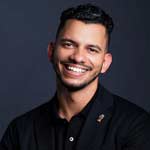
Zach Norris
0:01
In
this
episode
of
the
short
box.
A
big
thing
for
me
personally
was
like
moving
to
San
Diego,
meeting
Ben
and
Bobby,
and
getting
to
write
for
the
blog,
and
be
like,
oh
man,
like
writing
is
not
just
a
thing
that
I
could
do
as
a
hobby.
Like
I
can
actually
make
money
and
make
connections
and
do
cool
shit
by
writing.
And
I
interviewed
Mike
Shinoto
of
Lincoln
Park,
and
then
I
ended
up
working
for
Mike
Shinoto
of
Lincoln
Park.
I
interviewed
Kevin
Eastman.
Like
the
writing
for
the
hundreds
took
me
places
and
showed
me,
like,
yo,
your
writing
can
take
you
places.
But
when
the
like
the
idea
for
comics
rule
everything
around
me
starts
like
circling
and
becoming
this
kind
of
thing
that's
looming
over
me,
I
was
like,
man,
this
this
feels
like
a
book.
Intro Music
0:45
Ladies
and
gentlemen,
Short
Box
Podcast
is
recorded
live
from
Jacksonville,
Florida.
Badr Milligan
1:08
Yo,
Short
Box
Nation.
Hello
again.
Welcome
back.
Thanks
for
pressing
play.
Thanks
for
being
here.
All
right.
Thank
you
for
pressing
play
and
tuning
in
and
all
that
good
stuff.
If
you're
brand
new,
welcome
to
the
show.
I'm
your
host,
Badr
Milligan,
and
this
is
the
Short
Box
Podcast,
the
comic
book
talk
show
where
we
bridge
the
gap
between
the
panels
of
your
favorite
comics
with
the
people
who
put
their
blood,
sweat,
and
tears
into
making
them.
This
is
episode
509,
and
today
I'm
joined
by
writer,
comic
shop
manager,
and
hip
hop
enthusiast
Zach
Norris.
Zach
is
based
out
of
San
Diego
where
he
helps
run
Now
or
Never
Comics.
It's
a
fantastic
comic
shop.
I
went
there
for
the
first
time
during
my
visit
to
Comic
Con,
so
a
lot
of
firsts
that
weekend.
Amazing
shop.
I
talked
about
it
in
depth
on
my
episode
with
David
Harper.
So
if
you
want
to
hear
more
details
about
my
visit
to
Now
or
Never
Comics,
check
that
episode
out.
But
on
top
of
managing
one
of
the
best
comic
shops
that
I've
been
to,
Zach
is
also
the
creator
and
writer
of
the
comic
book
and
hip
hop
zine
Cream.
Comics
Rule
Everything
Around
Me.
How
fucking
it
was
it's
right
there.
You
know,
it's
one
of
those
names.
You're
like,
it
was
right
there
the
whole
time.
Comics
rule
everything
around
me.
Come
on.
So
yeah,
Cream,
it's
a
it's
an
amazing
comic
book
and
hip
hop
zine.
Volume
one,
which
focused
on
comic
book
references
and
nods
and
hip
hop
lyrics,
was
a
runaway
success.
Physical
copies
sold
out.
I
think
it
actually
might
be
on
this
third
printing.
I
know
it's
available
digitally.
Uh,
volume
two
is
coming
very
soon.
I
have
a
little
asterisk
there,
but
we'll
talk
more
about
volume
two
here
in
a
sec.
It
expands
on
the
visual
and
thematic
blend
of
hip
hop
and
comic
fandom.
So
take
a
wild
guess
at
what
we're
talking
about
today.
That's
right,
my
two
favorite
things
hip
hop
and
comics.
But
before
we
get
started
on
that,
I
want
to
give
special
recognition
to
our
amazing
sponsors
who
help
me
keep
the
lights
on,
all
right?
It's
time
to
pay
some
bills
and
show
some
love
to
the
people
who
uh
show
love
back.
Big
shout
outs
to
our
sponsors,
including
our
presenting
sponsor,
coverprice.com.
It's
the
ultimate
comic
book
price
guide
and
collection
management
tool
for
comic
collectors.
You
can
get
cover
price
for
$1
for
one
month
by
using
the
special
promo
code
in
this
episode
show
notes.
I
say
it
all
the
time,
but
it's
the
truth.
I'm
not
just
a
champion,
but
also
a
client.
I
use
cover
price
myself
for
tracking
my
collection.
And
you
can
too
for
one
dollar.
Check
out
the
link
in
the
show
notes.
And
speaking
about
sponsors,
we
gotta
thank
Gotham
City
Limit
Comic
Shop
for
the
support,
too.
It's
the
best
comic
shop
in
Northeast,
Florida.
If
you
live
in
Jax,
you
can
go
visit
them
today
on
Southside
Boulevard
or
no
matter
where
you're
at,
maybe
you're
not
in
Jacks
or
Florida,
you
can't
make
it
to
Gotham
City
Limit
in
person.
You
can
still
buy
comics
from
them
online
at
GothamCity
Limit.com.
And
we
can't
talk
about
supporters
without
talking
about
the
loyal
supporters
over
on
the
short
box
Patreon,
aka
the
short
box
patronies,
all
right?
The
homies
that
help
keep
me
motivated,
that
support
what
I
do.
Uh
the
biggest
fans
of
the
short
box.
I
appreciate
you
guys.
Love
you
guys.
Thank
you
so
much
for
the
help.
Now,
without
further
ado,
let's
bring
on
our
guest
of
honor
today.
Comics
rule
everything
around
him,
they
rule
everything
around
me,
and
probably
around
you
two.
Short
box
nation.
Without
further
ado,
let's
bring
on
our
man
Zach
Norris
to
the
show.
Zach,
what
up?
How
are
you
doing?
Zach Norris
4:19
Yo,
yo,
Mother,
what's
up,
man?
Badr Milligan
4:21
Man.
That
was
a
killer,
killer
intro,
dude.
You're
so
professional,
man.
Thank
you.
I
appreciate
that.
Uh,
my
man
Vigo
is
going
to
edit
all
the
bad
parts
and
these
parts
I
stumble.
So
I'm
gonna
sound
real
good,
but
thank
you
for
the
compliment.
Um
can
I
tell
you
this
might
be
the
fastest
uh
interview
I've
ever
arranged.
I
think
I
drew
him
on
like
on
a
Wednesday.
I
was
like,
hey,
what
do
you
think
about
interviewing
on
you
know
Saturday?
This
is
the
interview
I
knew
I
wanted
to
do.
I
just
didn't
think
we
would
uh
coordinate
so
quickly.
Zach Norris
4:52
I
appreciate
you
wanting
to
do
it,
man.
No,
it
was
we
saw
each
other,
what,
less
than
two
weeks
ago,
and
then
you
asked
me
about
a
week
ago,
and
I
was
really
just
trying
to
confirm
with
the
family
if
I
could
sit
down
and
be
uninterrupted
for
a
few
hours.
Badr Milligan
5:04
Yeah,
yeah.
But
you
know
what,
but
but
it
feels
like
we've
definitely
been
in
communication
for
a
lot
longer,
if
I'm
not
mistaken.
Here's
how
I
remember
us
connecting
and
meeting
is
I
want
to
say
a
year
ago,
maybe
two
years
ago,
my
man
Chris
Hacker
from
the
Oblivion
Bar
podcast
shoots
me
a
message
and
he's
like,
Hey,
this
guy
named
Zach
Norris
is
going
to
reach
out
to
you
uh
and
tell
you
about
this
thing
that
I
know
you're
going
to
love.
I
think
he
might
have
even
sent
me
a
photo
of
like
cream
volume
one.
Um
and
I
was
like,
okay,
what
is
it?
He's
like,
it's
hip
hop
in
a
comic
book
zine.
I'm
like,
say
less.
He's
already
like
in
my
good
book,
you
know.
And
I
mean,
since
then
we've
been
like
going
back
and
forth
uh
via
DMs
and
sharing
stuff.
Uh
when
you
interviewed
Mike
Del
Mundo
for
for
sketched,
um,
you
know,
that
was
amazing.
So
yeah,
I
guess
it
was
kind
of
I've
been
talking
about
how
San
Diego
Comic-Con
with
it
being,
it
was
just
such
a
big
moment
for
me,
right?
It
was
like
my
first
Comic-Con,
but
also
the
experience
of
meeting
a
lot
of
internet
friends
in
real
life.
And
I
gotta
say,
you
got
a
lot
of
swag,
man.
I
was
like,
man,
Zach
is
even
cooler
in
person.
He's
got
a
lot
of
swag.
Zach Norris
6:10
You're
too
kind,
dude.
You're
too
kind.
No,
um,
yeah,
that
that
sounds
about
right.
I
saw
Chris
last
year
during
Comic-Con.
There
we
go.
And
I
had
uh
I
had
made
an
Ash
can
uh
before
volume
one.
It
was
really
just
like
a
little
two-page
kind
of
teaser
thing,
and
um
was
giving
that
out
to
friends
and
giving
that
out
to
people
who
I
thought
would
be
interested
uh
to
try
and
let
people
know,
like,
hey,
this
is
something
I'm
working
on,
was
giving
it
out
at
the
shop
and
bumped
into
Chris
on
the
show
floor.
And
you
know,
shout
out
Chris,
Chris
Hacker,
great
dude,
great
show.
Go
listen
to
Oblivion
Bar.
And
yeah,
man,
that
uh
from
from
Comic-Con
to
then
December
is
when
I
really,
really
got
like
locked
in
head
down,
going
to
work
on
volume
one
and
released
that
last
year
in
December
on
New
Year's
Eve,
actually,
and
then
got
volume
two
out
for
for
Comic-Con
this
year.
And
real
quick,
before
I
get
too
too
sidetracked
here,
gotta
say,
A,
thank
you
for
coming
by
the
shop
during
Comic-Con.
Badr Milligan
7:07
It's
a
pleasure
meeting
you
in
person
on
the
note
of
coming
by
on
the
busiest
possible
day
I
could
have
like,
you
know,
I
I
mentioned
it
on
the
episode
with
David.
I
was
like,
I
almost
felt
stupid
for
showing
up,
and
they're
just
about
to
do
a
signing
with
like,
you
know,
James
Tanyan
and
the
whole
crew,
and
you
guys
were
having
a
line
form.
And
but
if
anything,
I
I
did
give
you
props
on
this.
Was
obviously
like
the
timing
was
a
little
like,
oh
shit,
okay,
he's
got
a
lot
going
on.
So
the
fact
that
you
even
took
like
five
minutes
to
be
like,
hey
man,
what's
up?
So
good
to
finally
meet
you.
You
know,
I
got
a
chance
to
buy
volume
two
from
you
in
person.
You
even
signed
it
for
me.
I
thought
it
was
a
cool
experience
to
be
there
during
such
a
busy
moment,
like
a
big
moment
for
you
guys,
and
to
see
like
how
you
ran
the
shop
and
the
team
coordinated
and
how
the
customers
that
were
there,
just
there,
maybe
not
involved
with
the
the
signing,
still
were
like
taken
care
of
and
all
of
that.
So
it
was
something
interesting
to
see
um
you
guys
at
maybe
one
of
your
busiest,
and
uh
to
see
the
shop
run
still
really
smoothly,
you
know.
If
anything,
it
left
me
with
a
really
good
impression.
Like,
damn,
if
this
is
what
it's
like
on
a
busy
day,
like
imagine
like
just
a
chill
day.
Zach Norris
8:14
So
no,
dude,
I
I
really
appreciate
the
kind
words.
I've
listened
to
the
episode
with
David,
so
thank
you
guys
very
much.
Um,
I
was
actually,
I'll
I'll
give
you
a
little
inside
baseball,
was
showing
my
wife,
we
went
to
get
coffee
earlier
today,
and
I
was
like,
yo,
you
gotta
listen
to
the
homies.
Uh
David
and
Butter,
they
came
by
the
shop.
Butter
had
a
podcast,
gave
us
like
some
really,
really
great
feedback,
some
really,
you
know,
kind
words.
And
while
I
was
listening
to
it
with
my
wife,
she
was
kind
of
like,
you
know,
chuckling
at
the
part
about
me
being
like
the
wince,
you
know,
Winston
the
Wolf
or
the
Wolf
of
the
World.
Yeah,
the
wolf
of
now
and
never,
yeah.
And
I
was
like,
I
don't
know
if
I
could
have
any
higher
praise
than
what
these
guys
are
are
pumping
me
up
as
right
now.
Like
if
I
if
the
only
thing
I
ever
do
with
the
rest
of
my
tenure
in
comics
is
be
the
equivalent
of
Harvey
Keitel's
character,
the
wolf,
in
Pulp
Fiction.
If
I'm
that
for
now
or
never,
then
it
is
a
life,
you
know,
well
lived.
Uh
I
will
be
happy
with
that.
Badr Milligan
9:10
Absolutely.
And
man,
I
well,
I
I
guess
on
the
topic
of
uh
uh
Comic-Con,
real
quick,
and
I
feel
like
I've
I
I
probably
have
pushed
the
limit
of
how
much
more
I
can
continue
to
talk
about
Comic-Con.
Being
as
like
we're
two
weeks
out,
and
this
episode
will
be
out
like
a
week
later.
So
bear
with
me
here.
But
I
was
reading
a
local
San
Diego
uh
uh
like
ABC
News
article.
They
uh
I
guess
they
stopped
by
the
shop
before
the
big
signing.
They
wrote
about
like,
you
know,
uh
the
big
uh
big
signing,
you
know,
San
Diego
Comic-Con,
how
now
or
never
like
gets
ready.
And
uh
they
interviewed
you,
you
know,
you
there
was
a
couple
of
quotes
from
you,
and
one
stood
out
to
me,
which
was
you
mentioned
that
you
guys
had
your
plans
locked
in
for
San
Diego
Comic-Con
this
past,
you
know,
the
two,
three
weeks
ago,
like
as
of
early
as
October
2025.
Like,
that
is
that
like
normal?
Do
you
guys
plan
a
year
out?
That
seems
like
insanely
early.
Zach Norris
10:04
Is
it
normal?
Probably
not.
That's
not
all
of
Comic-Con.
That
was
one
event
in
particular.
Um,
that
was
the
the
Tiny
Onion
uh
Corpse
Tour
event.
We
did
an
event
with
them
in
2025,
we
did
an
event
with
them
actually
in
2024.
And
so
they
love
us,
we
love
them,
and
they
uh
reached
out
to
us
in
October
and
we're
like,
hey,
we
just
had
our
big
kind
of
like
2025
wrap-up
meeting
that
then
includes
like
a
look
at
2026
and
what
we
want
to
do.
Are
you
guys
down
to
clown
for
Comic
Con
next
year?
Like,
we
if
you'll
have
us,
we
want
to
lock
in
Saturday.
And
we
said,
if
you
want
Saturday
right
now
in
October
2025,
then
Saturday.
Yeah,
and
so
yeah,
man,
we
we
have
been
talking
with
Tiny
Onion
since
basically
October.
I
think
I
reached
out
to
Patrick
Horvath
a
few
months
out
to
get
that
ball
rolling.
Um,
we
had
him
signing
on
on
new
comic
book
day
of
Comic-Con.
And
then
same
with
Matthew
Rosenberg,
probably
a
couple
months
out.
Um,
he
actually
had
reached
out
to
us
first
asking
if
we
had
anything
going
on
and
if
we
had
some
free
time.
And
so
we
we
worked
out
something
with
him.
And
then
um,
we
did
a
local
thing
on
Sunday
with
myself
and
my
buddy
Just
on
who
did
our
our
Godzilla
cover.
Badr Milligan
11:17
Yeah,
Just
on
McGee.
Big
shout
out
to
Just
Stone.
Yeah,
dude.
The
fanciest
version
of
Justin
I've
ever
heard,
Just
on.
Yeah,
you
got
a
little
French
flair
too.
Zach Norris
11:26
Just
Don's
on
his
way
up.
I'm
I'm
really
excited
for
him
to
start
taking
the
steps
that
he's
taking.
And
I
would
imagine
in
in
a
couple
years
or
so,
if
not
sooner,
you'll
you'll
probably
talk
to
Juston.
Yeah,
yeah.
And
you'll
you'll
find
out
it's
it's
not
fancy
at
all.
It's
more
a
redneck
thing.
Um,
I
believe
it
was
like
his
his
grandmother
in
Kansas,
like
when
he
was
born,
she's
like,
Just
on.
And
so
it
just
Oh
word,
okay.
His
name
is
Just
on.
Yeah,
yeah,
yeah.
Badr Milligan
11:52
Zach,
let
me
ask
you,
let's
I
guess
while
we're
on
the
topic
of
Now
or
Never
and
you
know,
uh
planning
these
events
for
for
the
shop
and
things.
How
did
you
first
get
involved
with
Now
or
Never?
And
I
guess
what's
your
role
exactly?
Is
it
safe
to
call
you
a
manager
or
or
what
do
you
how
do
you
define
your
role?
Zach Norris
12:07
Yeah,
I
mean,
I
think
I
think
it's
that's
an
easy
way,
uh
that's
an
easy
title
uh
to
put
on
it.
We
actually
don't
really
do
too
much
of
that.
Okay.
I
would
say
if
you
had
to
call
me
anything,
I
am
kind
of
like
the
the
point
person
for
customer
management,
subscription
management,
orders,
FOC
stuff,
uh
receiving
orders.
Aaron
is
the
owner
of
the
shop.
He
opened
the
shop
in
2018
and
um
I
shopped
there
for
two
years
before
I
became
an
employee.
Uh
I
think
Aaron
had
basically
gotten
tired
of
listening
to
me
uh
bitch
about
my
previous
job
and
was
like,
hey
man,
like
I'm
I'm
ready
for
a
full
timer.
Like
if
you
want
to
get
out
of
a
situation
that
you're
not
feeling,
like
come
on
board.
Um
it
was
a
a
pretty
big
leap
for
my
myself
and
my
wife,
uh,
because
my
wife
was
pregnant.
We
were
about
three
months
out
from
my
son
being
born.
Wow.
And
I
was
like,
hey,
do
you
care
if
I
give
up
this
uh
somewhat
cushy
job
with
an
eyewear
company
and
go
work
in
the
uh
the
infamously
stable
and
very
profitable
marketing?
lucrative
comic
shop,
not
just
comic
book
industry,
like
a
comic
retail
shop.
Yeah,
dude,
yeah.
And
and
my
wife
is
is
about
as
down
as
as
anybody
can
be.
And
she
was
like,
if
if
this
is
gonna
make
you
happy
and
this
is
gonna
make
you
more
like
physically
and
emotionally
and
mentally
available
for
me
and
your
son,
then
yes,
I
want
that
for
for
you
and
for
us.
And
I
was
like,
let's
let's
get
it.
Big
shout
outs
to
Miss
Norris.
Intro Music
13:36
I
like
that.
Zach Norris
13:36
Yeah,
dude.
Huge
shout
out
to
her.
She
is
she's
she's
the
anchor.
But
yeah,
oh,
so
sorry,
I
got
sidetracked.
I
uh
I
really
like
my
wife
and
talk
about
it
a
lot.
Yeah,
I
can
tell.
Um
but
uh
noted.
So
I
shopped
at
the
shop
for
two
years,
started
working
for
the
shop.
I
had
basically
I
remember
probably
my
second
or
third
time
going
to
the
shop.
I'm
not
sure
how
familiar
you
are
with
this
uh
like
ideology
or
or
lifestyle,
but
um,
I'm
straight
edge.
Uh
don't
drink,
don't
smoke,
don't
do
drugs.
It's
like
a
hardcore
thing,
comes
from
80s
hardcore.
So
I
walked,
I
went
into
the
shop
one
day
wearing
a
shirt
that
said
it's
okay
not
to
drink.
And
Aaron
saw
my
shirt
and
was
like,
hey
man,
are
you
straight
edge?
And
I
was
like,
Yes,
I
am.
And
he
was
like,
sick,
I'm
straight
edge.
From
Boston,
Boston
Hardcore.
I
was
like,
okay,
sick.
So
we
connected
on
the
straight
edge
thing
and
we
connected
on
comics,
and
from
there
it
was
basically
like
uh
an
avalanche
or
you
know,
snowball
effect
of
of
friendship.
Badr Milligan
14:30
If
I
was
to
list
off
the
the
number
of
friends
that
I
have
that
are
straight
edge,
we'd
be
here
like
another
10,
20
minutes.
Sick.
So
like
I'm
I'm
pretty
familiar
with
with
that
lifestyle
and
just
the
the
scene
for
my
audio
listeners.
You're
wearing
a
hat
that
says
read
comics,
listen
to
hardcore.
Yeah.
And
I
mean,
we're
gonna
spend
a
lot
of
time
talking
about
you
know
the
parallels
between
hip-hop
and
and
comics,
but
I
I
think
it'd
be
remiss
if
we
didn't
bring
up
hardcore
a
little
bit
and
straight
edge
in
the
punk
scene.
Yeah
I
feel
like
there's
obviously
Vin
diagram
between
comics
and
hip-hop
and
a
lot
of
similarities
and
the
things
they
share,
the
the
cross-references
and
etc.
And
I
don't
know
enough
about
it
to
comment
on
it,
but
would
you
say
there
is
a
similar
Venn
diagram
with
straight
edge,
hardcore,
like
the
punk
scene?
Is
it
is
it
something
about
like
the
DIY
nature
of
it?
Zach Norris
15:16
1000%,
dude.
Like
there
is
maybe
more
so
than
ever,
the
the
crossover
between
hardcore
and
comics,
like
hardcore
guys
that
like
are
into
comics
is
for
sure
more
more
prevalent
than
it's
ever
been.
But
also,
dude,
the
the
parallels
and
uh
intersections
or
the
Venn
diagram,
as
you
put
it,
between
hardcore
and
rap
also
a
thousand
percent
there,
dude.
Like
um
that
kind
of
outlaw
spirit,
the
kind
of
do-it-yourself
spirit,
got
it,
you
know,
guys
going
out
on
tour
and
driving
themselves
around
for
200
days
a
year
and
sleeping
in
the
back
of
you
know,
crusty
old
vans
and
playing
shows
for
little
to
no
money.
Like
there's
and
probably
more
so
like
independent
kind
of
underground
hip-hop
and
and
hardcore
are
a
little
more
linked.
Um,
there's
there's
not
a
ton
of
similarities
between
Discord
records,
revelation
records
style,
like
indie
hardcore,
and
then
like
your
big
Warner
Brothers
records
rap
guys,
but
um
it's
it's
absolutely
there,
dude.
100%.
Badr Milligan
16:16
So
you
end
up
getting
this
job
at
at
Now
or
Never.
You're
you're
doing
a
little
bit
of
everything.
Um
well,
I
I
I
guess
let's
just
jump
straight
into
it
since
we
we
brought
up
hip-hop.
Uh,
where
did
the
idea
for
cream
come
from?
And
and
I
also
want
to
add
to
that,
you
know,
I
mentioned
the
intro,
it
the
name
is
just
so
catchy.
It's
like
right
there,
right?
It's
like,
come
on,
comics
rule
everything
around
me.
One
of
the
most
iconic,
maybe
the
most
iconic
acronym
in
hip-hop
history.
I
guess
where
did
when
did
the
phrase
comics
rule
everything
around
me
like
first
click
for
you?
Zach Norris
16:46
So
I've
been
writing
for
probably
15
years
or
so.
I've
I've
always
been
a
better
reader,
writer
like
in
school
than
anything
else.
Um,
I
was
terrible
at
math,
not
great
at
science,
but
like
reading
and
writing
got
me
got
me
through.
Have
always
been
a
little
bit
of
a
bookworm
and
have
like
off
and
on
throughout
my
life,
have
loved
comics.
But
probably
like
senior
year
of
high
school,
I
was
writing
for
the
school
paper,
and
then
a
couple
years
after
that,
I
was
volunteering
at
a
local
venue.
I
was
living
in
Arizona
and
was
working
at
this
venue
called
Open
Aired
that
on
Fridays
would
be
hip-hop
shows,
Saturday
would
be
hardcore
shows,
Sunday
would
be
church.
And
so
my
brother
and
I
were
volunteering,
it
was
a
nonprofit,
it's
very
like
indie
DIY.
I'd
work
the
hip-hop
shows
and
then
I'd
go
and
work
the
hardcore
shows.
And
through
that
stuff,
I
met
this
guy
who
was
running
a
website
and
a
blog
called
Underneath
the
Desert,
and
it
was
like
this
underground
Arizona
hip-hop
blog.
And
he
was
like,
Hey
man,
I
know
you're
a
writer.
Will
you
write
some
stuff
for
my
website?
And
I
was
like,
Yeah,
sure,
man.
And
I
had
this
idea,
and
what
we
called
it
was
anime
and
hip
hop
where
I
would
month
after
month
would
find
an
anime
reference
in
a
song
and
then
write
about
that
reference
on
the
blog.
I
would
write
about
the
song,
I'd
write
about
the
artist,
I'd
write
about
the
anime.
Badr Milligan
18:05
Give
me
some
examples
because
I
I
don't
I
don't
think
I've
ever
thought
about
the
anime
or
even
manga
references.
And
I
feel
like
it's
probably
a
little
more
prevalent
now
because
Yeah,
for
sure.
Yeah,
there
just
seems
like
a
to
be
a
bigger
spotlight
on
on
uh
black
culture
and
and
anime
in
like
that
bin
diagram.
But
I
never
thought
about
the
hip-hop
lyric.
Obviously,
I
could
go
on
and
on
about
the
different
the
comic
book
ones,
but
give
me
a
few
examples
of
anime.
Zach Norris
18:29
Um
so
J-Rock's
song,
Hood
Gonna
Love
It.
Uh
you
ain't
gotta
like
it
because
gonna
love
it.
Um
J-Rock
says,
Whip
like
a
fireball,
call
it
Goku.
Okay,
okay.
Um,
there
is,
I
mean,
there's
the
Wu
Tang,
like,
you
know,
connect
like
Voltron
uh
line.
Badr Milligan
18:45
So
that
was
kind
of
like
like
the
the
first
inkling
or
even
like
uh
uh
uh
like
through
line
to
the
cream
was
like
this
idea.
Zach Norris
18:53
One
day
when
this
becomes
a
book,
because
that's
that's
the
like
down
the
road
goal,
is
that
this
becomes
a
book.
I
I
will
talk
more
about
that.
But
yeah,
man,
that's
basically
like
that's
where
the
seed
was
planted,
is
like
me
noticing,
okay,
there's
these
rappers
that
are
mentioning
anime
and
manga
stuff.
And
then
as
you
know,
we
get
to
like
2015
and
Marvel
does
the
hip-hop
variant
program,
and
then
I
start
listening
to,
you
know,
like
I've
always
listened
to
rap,
but
then
you
start
listening
for
it
for
a
differ
with
a
different
kind
of
ear,
right?
Like,
oh,
there's
these
hip
hop
variant
covers.
Oh,
and
I
remember
when
this
guy
said
this,
or
I
remember
when
this
guy
said
that.
Um,
and
so
actually,
probably
the
the
real
actual
beginning
of
of
Comics
Rule
Everything
Around
Me
is
I
was
reading
Jack
Kirby's
New
Gods
for
the
first
time,
and
reading
Jack
Kirby's
New
Gods
made
me
want
to
revisit
Tom
King's
Mr.
Miracle.
Nice,
and
then
rereading
Tom
King's
Mr.
Miracle,
which
is
probably
my
favorite
Tom
King,
by
the
way.
Badr Milligan
19:47
Sure,
yeah.
Zach Norris
19:48
That
made
me
want
to
revisit
Isaiah
Rashad's
house
is
burning.
Badr Milligan
19:52
Yeah.
Zach Norris
19:53
And
Bodder,
you
probably
also
we
haven't
got
to
talk
about
this
yet,
also,
man.
But
uh
my
dad
was
in
the
military,
so
I
I
bounced
around
a
lot
as
a
kid,
but
bounced
around
between
basically
the
south
and
the
southwest.
So
my
life
can
be
broken
into
like
three
chunks
geographically
the
South,
Arizona,
or
California.
Badr Milligan
20:11
Well,
when
you
say
South,
what
what
what
state
are
we
talking?
City.
Zach Norris
20:14
So
I
was
born
in
North
Carolina.
Badr Milligan
20:15
Okay.
Zach Norris
20:16
I
lived
in
Virginia,
I
lived
in
Tennessee,
I've
got
family
in
Alabama,
I've
got
family
in
Texas.
Okay,
you
got
the
South
covered.
I
got
it,
you
got
the
South
covered.
I'm
like
Southern,
my
mom
is
from
Virginia,
my
dad's
from
Texas
slash
Alabama.
I
am
like
Southern
by
blood.
So
most
of
my
like
early
rap
fandom
was
either
Beastie
Boys
or
Southern
rap.
Cash
Money
Millionaires,
3-6,
yada
yada
yada.
I
got
married
on
March
6th,
so
that
my
anniversary
would
be
3-6.
Badr Milligan
20:45
I
know
for
a
fact
you
probably
what?
You've
definitely
probably
played
um
oh
my
god,
why
am
I
drawing
a
blank
on
the
the
number
one
at
3-6
in
Outcast
wedding
fire?
Yeah,
yeah.
Played
at
my
wedding
for
the
record,
by
the
way.
I've
also
had
that
on
the
playlist.
Zach Norris
20:59
It's
the
wedding
song
now.
Come
on,
like
it's
the
wedding
song
of
a
generation.
Uh
so
no,
so
like
this
is
all
like
very
long
way
of
saying,
um,
so
when
Isaiah
Rashad
got
going
in
like
2012,
2013,
whatever
it
was,
I've
lived
my
life
to
Sylvia
demo,
dude.
Badr Milligan
21:16
Bro,
it
was
Sylvia
demo
was
on
I
cannot
explain
to
you
how
much
I
played
that
album.
Zach Norris
21:24
Soundtrack
to
my
life
for
like
two
years,
dude.
Yeah.
And
um
when
he
dropped
his
next
one,
that
one
I
I
liked
a
another
song
that
I
read.
Yep.
But
then
when
he
dropped
The
House
is
Burning,
I
was
like,
oh,
this
and
his
second
song
I
think
is
called
Dark
Side.
So
I'm
rereading
Tom
King's
Mr.
Miracle,
and
I'm
like,
oh
shit,
like
Dark
Side,
I
need
to
go
listen
to
some
of
you
know
Isaiah
Rashad
again.
So
I'm
listening
to
Dark
Side,
and
he's
mentioning
the
new
gods,
and
I
was
like,
you
know
what?
How
many
of
these
are
there?
I
need
to
dig
into
this.
I
know
like
the
BC
boys.
Mention
Von
Bodhi
and
Cheech
Wizard
and
like
because
Beastie
Boys
are
kind
of
like
the
beginning
of
me
caring
about
music,
dude.
I'd
I'd
loved
music
before
that.
I'd
listen
to
music
a
ton
before
that.
But
anyways,
dude.
So
yeah,
I
I
just
had
to
start
digging
in
and
seeing
like
how
many
people
do
this,
how
prevalent
is
it?
Is
it
just
uh
a
certain
section
of
guys
in
this
one
place?
Is
it
everybody?
Is
it
a
newer
thing?
Is
it
an
older
thing?
And
it
just
sent
me
down
the
the
proverbial
rabbit
hole,
dude.
It
is
it's
such
a
deeper
and
wider
uh
you
know
pool
of
stuff
than
I
really
realized.
I
think
I'd
known
for
a
while,
because
I've
worked
at
the
shop
now
for
over
five
years,
and
that
started
connecting
a
lot
of
comic
dots
for
me
too,
where
like
I'd
kind
of
had
a
lot
of
the
musical
stuff
kind
of
stored,
but
I
didn't
have
all
the
comic
connections
because
I
was
still
pretty
like
I
was
a
little
like
narrow
focused
in
terms
of
my
comic
appreciation.
But
then
I
started
seeing
like,
oh,
this
guy
Bob
Camp
who
did
these
Conan
covers,
he
also
did
the
this
cover
for
this
group,
Nucleus.
Oh,
and
then
Nucleus
has
got
a
song
where
they
talk
about
breakdance
battling
Superman.
Badr Milligan
23:11
Which
I
had
I
mean,
that
was
one
advantage
of
I
have
not
actually
read
the
volume
two
top
to
bottom.
I've
just
flipping
through
it,
and
uh
Bob
Camp
was
new
to
me.
I
had
no
idea
that,
or
even
about
this
group
Nucleus
at
all.
Zach Norris
23:24
Yeah,
dude.
So
like
that's
they're
still
they're
early
enough
in
rap,
like
early
80s,
to
where
it's
still
a
little
bit
like
it's
still
kind
of
disco,
it's
still
kind
of
dancy,
still
like
a
little
electro.
They're
they're
very
much
rapping,
and
they've
got
a
song,
you
know,
one
of
those
old
school
like
seven-minute
rap
songs
with
no
chorus.
And
and
they
talk
about
breakdance
battling
Superman,
and
it's
like
oh
shit.
And
then
Bob
Camp's
got
he
did
the
cover
for
both
of
their
first
two
albums,
and
he
did
the
single
for
Africa
Bambada's
uh
Renegades
of
Funk.
Yep,
which
is
a
very
important
hip-hop
record.
And
I
can't
remember
which
one
it
is,
the
the
Nucleus
albums
or
Renegades
of
Funk,
but
dude,
like
on
the
back
of
them,
whichever
one
it
is,
like
they
actually
shout
out
like
thanks
to
Marvel
Comics,
thanks
to
Stan
Lee,
thanks
Bob
Camp.
And
it's
like,
oh
man,
like
this
is
this
is
happening
in
like
the
earliest
days
of
this.
And
so
that
kind
of
became
again
like
this
snowball
effect
of
I
was
looking
at
references
and
songs,
and
then
it
became
now
I'm
seeing
artwork,
and
then
it
became
now
I'm
seeing
comic
artists
who
are
doing
stuff
for
rap
album
covers,
and
then
it
became
oh,
I've
never
realized
like
Grandmaster
Flash
and
The
Furious
Five.
They're
borrowing
that
naming
convention
from
the
Fantastic
Four.
Um,
and
then
you
start
looking
at
old
school
stuff
like
Wild
Style
or
Style
Wars,
and
these
dudes
are
doing
graffiti
and
they're
putting,
you
know,
Von
Bodhi
characters
in
in
graffiti
pieces,
or
um
Donde,
um,
R.I.P.
is
very
important
graffiti
artist
from
early
New
York
City
graffiti
days,
has
this
piece
called
Children
of
the
Grave
where
there's
like
a
big
hand
like
reaching
out
on
this
uh
subway
car,
and
it's
it's
his
name,
Don
Di,
but
like
just
before
it,
there's
this
big
hand
reaching
out.
Oh
yeah,
and
if
you
know
if
you
know
it,
it's
a
Jack
Kirby
forever
hand
from
like
the
cover
of
an
Avengers
dude.
And
like
I
I
saw
it
and
was
like,
oh,
that
looks
like
a
comic
book
hand.
So
Bodr,
I
sent
uh
uh
this
picture
to
Aaron
from
Now
or
Never,
and
I
said,
Hey
bro,
uh
who
drew
this
hand?
Is
this
like
a
Bushema
hand,
a
Kirby
hand?
And
uh
Botter,
I
swear,
dude,
within
like
I
don't
even
know
if
it
was
10
minutes,
uh
Aaron
had
sent
me
an
Avengers
cover
with
Thor
like
reaching
out
and
it's
like
it's
clear
as
day.
It's
if
it's
not
that
hand,
it's
damn
near
close
as
like
real,
real
close,
dude.
And
so
I
was
like,
yo,
like
even
these
graffiti
guys
in
like
the
late
70s,
early
80s,
as
graffiti
is
taking
off
the
way
that
it
took
off,
they
are
looking
at
comics,
and
then
you
start
like
looking
at
the
way
that
they
would
fill
pieces
or
that
they
would
put
like
background
effects,
and
it
starts
if
you're
a
comic
book
guy,
uh,
or
if
you're
a
comic
book
person,
excuse
me,
I
feel
like
you
could
start
to
see
some
of
these
backgrounds
and
effects
and
be
like,
yo,
that's
Kirby
Crackle.
Or
yo,
that's
like
that's
the
way
this
dude
colored
this
thing,
or
that's
the
logo
from
this
thing,
besides
just
seeing
the
characters,
and
so
yeah,
man,
it
just
it
just
became
a
huge,
huge
rabbit
hole.
And
the
the
comics
rule
everything
around
me,
the
name.
Um,
I
appreciate
the
props.
I
definitely
like
once
I
read
it,
because
I've
got
to
give
you
know
appropriate
credit,
I
was
on
Blue
Sky
thumbing
through
random
accounts
and
Becky
Clonin,
dude.
I
think
it's
I'm
I'm
pr
I'm
like
97%
sure
it's
Becky
Clonen.
Her
profile
on
Blue
Sky
just
says
comics
rule
everything
around
me.
And
I
was
like,
oh
shit,
that's
the
name
of
the
scene.
Because
I
didn't
have
a
name
at
that
point.
I
actually
didn't
even
really
have
a
zine
at
that
point,
dude.
I
I
had
done
the
Ash
Can
for
Comic-Con
last
year,
and
outside
of
the
Ash
Can,
I
had
this
little
like
demo
one
that
I
made.
I
wish
I
had
it
handy
here,
where
I
had
just
taken
like
10
pieces
of
paper,
folded
them,
and
put
like
a
the
BC
Boys
article,
and
then
I
drew
a
Cheech
Wizard,
and
then
I
put
like
a
you
know,
uh
the
Jay-Z
thing,
and
then
I
put
a
picture
of
uh
Kingdom
come.
And
it
was
really
just
like
this
little
DIY,
like
I
just
wanted
to
show
a
homie.
And
he
saw
it
and
he
was
like,
nah,
dude,
it's
this
is
way
deeper
than
this.
You
gotta
go
harder
than
this.
And
I
was
like,
You
think
so?
And
he
was
like,
Yeah,
bro,
like
go
go
hard.
And
so
that's
how
it
became
50
something
pages
of
references
and
you
know,
all
the
stuff
it
became.
Badr Milligan
27:38
I'm
so
glad
you
connected
the
dots
like
that.
I
I
guess
in
my
head,
this
zine
project
was
a
lot
longer
in
the
process
making.
I
didn't
know
that
a
lot
of
this
happened,
you
know,
hell
just
recently.
Zach Norris
27:51
Um
I've
I've
been
brainstorming
and
collecting
info,
dude,
for
probably
two-ish
years,
two
and
a
half
years,
actually
working
on
it,
actually
making
it,
writing
it,
editing
it,
designing,
laying
out
for
now
like
a
year,
Comic-Con
to
Comic-Con.
Badr Milligan
28:09
Well,
you
know,
I
I
I
guess
what
I
like
hearing
about
this
origins,
one
kudos
to
you
for
giving
prosper
Beggy
Clunen,
who
is
a
genius.
Like
it
kind
of
is
like,
okay,
yeah,
she's
like
a
genius
at
this
thing.
But
hearing
you
mention
the
Marvel
hip-hop
variant
covers,
yeah,
and
how
that
also
plays
into
like
the
genesis
of
of
the
story
of
putting
together
uh
cream.
I
remember
working
at
the
comic
shop
and
feeling
validated
in
a
way,
as
someone
that
was
like
a
big
hip-hop
head
and
loved
comics.
Like
it
was
a
validation
to
me
to
have
these
two
things
that
I
knew
shared
uh
equal
respect
and
love
for
a
lot
of
the
reasons
you
shared,
right?
Like
we
can
go
down
the
history
of
hip-hop
and
find
so
many,
you
know,
uh
comic
book
references.
I
think
a
big
part
of
it
is
because
Marvel's
based
out
of
New
York
has
always
been,
you
know,
you
know
what
I'm
saying?
Like
that
New
York
love
and
hip-hop,
you
know,
New
York,
all
of
that.
But
there
was
something
about
being
able
to
have
conversations
about
these
albums
and
these
um
these
covers
and
who
they
homaged
at
the
comic
shop.
For
me,
it
was
like
a
big
validation,
like,
oh
wow,
okay,
I
know
I'm
in
the
right
place.
These
two
art
forms
that
I
love
have
mutual
respect.
So
it's
cool
to
hear
how
that
had
an
impact
on
you
as
well.
Yeah,
man.
But
uh
just
hearing
you
mention
the
Marvel
hip-hop
variants,
like
obviously
it
was
wildly
successful.
I
mean,
those
covers
were
selling
out
all
the
time.
I
still
uh
come
across
ones
I
I've
never
seen
before,
like,
you
know,
brand
new
ones.
Zach Norris
29:40
Um,
there's
way
more
than
I
thought
they
did,
dude.
Badr Milligan
29:42
Yeah,
because
they
continued
on.
You
know
what
I'm
saying?
There
was
like
it
felt
like
they
were
putting
out
in
waves.
And
I
remember
by
the
second
wave,
I
was
like,
okay,
I
think
I've
got
all
the
ones
I
want.
Looking
back,
I
should
have
just
scooped
up
all
of
them,
but
I
think
they
continued
on
for
like
three,
four.
I
mean,
obviously
it
wasn't
like
the
numbers
started
dwindling
and
it
just
got
way
more
obscure,
too.
Like
some
of
the
covers.
Yes.
When
you
think
about
this
campaign,
the
Marvel
hip-hop
variants,
what
covers
uh
uh
stand
out
to
you?
Were
there
any
that
you
were
like
exceptionally
kind
of
excited
that
they
homaged?
Zach Norris
30:12
I
I
think
in
my
hunt
now,
dude,
I've
got
somewhere
between
like
40
and
50
of
the
hip-hop
variants,
and
the
ones
that
immediately
jumped
to
mind.
I
I
love
that
Power
Man
and
Iron
Fist
one
uh
because
I
also
love
that
series,
like
David
F.
Walker
and
and
Sanford
Green
killed
that.
But
the
the
Del
Mundo
ones,
like
I
know
that's
your
dude,
you
know
he's
my
dude.
Shout
out
Mike
Del
Mundo,
like
one
one
of
the
best
doing
it
right
now.
Underrated
interior
artist,
man.
For
sure.
I
love
that
he
gets
the
love
and
respect
for
his
covers
because
he
should,
because
his
covers
are
next
level.
Underrated
interior
artist.
But
no,
man,
his
his
Spider-Man
Tribe
Called
Quest,
it's
perfect.
It
is
absolutely
perfect.
Like
it,
it
is
just
it's
so
New
York.
Yep,
it's
so
Spider-Man,
it's
a
perfect
recreation
of
the
cover,
and
then
all
you
do
is
you
flip
the
girl
in
her
stance
into
Spider-Man
hanging
from
the
web,
and
it's
yeah,
it's
meant
to
be,
dude.
Badr Milligan
31:06
It's
meant
to
be.
You
know,
and
Spider-Man
is
a
character
with
not
only
a
rogues
gallery,
but
a
supporting
gallery
that
that
lets
you
play
off
of
that
tribe
called
Quest
cover,
where
it
was
like,
you
know,
they
had
a
who's
who
of
hip-hop,
you
know,
uh
alumni
in
their
cover,
and
now
you've
got
like
Spider-Man's
kind
of
rogue
gallery
and
familiar
faces.
You
know
what
I'm
saying?
Like
it's
one
of
those
perfectly
executed,
you
know,
it
was
just
to
your
credit,
it
would
it
was
perfect.
Zach Norris
31:31
100%.
And
some
of
my
other
favorite
ones
are
like
I
love
the
Jay-Z
Black
Panther
one.
Brian
Stelfries,
I
love
that
cover.
Stelfries
is
one
of
the
gods,
dude.
Yeah,
yeah.
Intro Music
31:41
Um,
truly.
Zach Norris
31:42
I
love
and
I
I
feel
bad
for
not
remembering
the
artist
who
did
this
one,
but
it's
uh
an
Amadeus
Cho
Hulk
cover
that
is
an
homage
to
a
Sean
Price
album.
Oh,
and
it
goes
hard
as
hell,
dude.
Badr Milligan
31:56
I
was
just
looking
at
that
one.
Yeah,
I
don't
remember
the
the
the
cover
artist
either,
but
um
I
want
to
give
a
shout
out
really
quick.
There
is
a
Mighty
Thor
variant
that
homages
Mad
Villainy,
and
it's
just
that
stark
black
and
white,
the
helmet.
I
mean,
you
know
what
I'm
saying?
It's
like
some
of
those
covers
are
as
I
don't
know,
iconic
as
the
the
album
covers
themselves.
Zach Norris
32:18
Like
I
mean,
dude,
Bill
Bill
Sinkevich
doing
Star
Lord
as
Kid
Cuddy,
Bill
Sinkevich
doing
uh
Nick
Fury
as
Bobby
Digital.
I
love
those
because
it's
it's
Sinkovich
getting
to
exactly
homage
himself.
Badr Milligan
32:31
Yeah,
it's
real
meta.
Zach Norris
32:32
And
Dennis
Cowan
doing
Contest
of
Champions,
that's
liquid
swords.
He's
getting
to
homage
himself.
Badr Milligan
32:38
Um,
those
are
standouts.
I
got
to
witness
the
Marvel
Hip
Hop
variant
campaign
influence
people
to
check
out
some
of
those
albums
and
covers.
Like
I
remember
being
invited
on
another
friend's
podcast
to
go
through
every
single
album
cover
and
my
thoughts
on
the
album.
And
you
know,
it
was
just
cool
to
have
the
conversation,
to
like
have
especially
for
me
who
was
working
at
a
comic
shop
at
the
time,
to
have
like
these
two
conversations
that
I
could
talk
about
all
day
and
get
people
onto
like
hip
hop
and
certain
artists,
and
you
know,
help
them
like
kind
of
like
traverse
certain
rabbit
holes.
I
think
it
is
still
to
this
day
one
of
my
favorite
moments
in
comics,
period.
Zach Norris
33:15
It
was
it
felt
like
I
think
the
way
I
described
this
one
time
to
a
friend
was
that,
you
know,
for
so
long,
because
of
these
references
we
hear
in
songs,
like
from
the
Wu-Tang
guys,
right?
Like
Method
Man
is
Johnny
Blaze,
and
um,
you
know,
uh
Tony
Stark's
excuse
me,
freaking
Ghostface
is
is
Tony
Stark
Iron
Man.
Yeah,
you
hear
all
these
references
and
you
hear
all
these
connections
and
you
see
the
artwork,
and
you're
like,
yo,
hip-hop
loves
comics.
Of
course
they
do.
But
for
a
while,
it
just
looked
like
one-sided.
Yeah,
it's
rap,
rap
loves
comics.
And
then
this
Marvel
variant
campaign
shows
everybody
that
comics
also
love
rap.
Yeah
like
this
this
is
not
just
a
one-way
street,
like
most
things
in
life.
And
and
I
think
that
was
a
real
kind
of
like
watershed
moment
for
a
lot
of
nerds
like
us
to
be
like
these
these
two
things
we've
we've
maybe
had
always
had
felt
that
there's
this
Venn
diagram,
but
had
never
seen
it,
be
had
never
seen
the
dots.
Badr Milligan
34:18
Yeah,
it
was
validating
in
multiple
ways.
And
I'd
be
remiss
right
now,
you
know,
speaking
about
like
kind
of
these
these
big
moments
that
combine
the
two
fandoms.
You
know,
over
your
left
or
your
right
shoulder,
left,
right,
whatever
the
camera
right,
yeah,
you've
got
the
the
legend
has
it,
the
Nas
and
DJ
Premier
album
in
the
the
Mike
Del
Mundo
variant
as
well
as
the
Days
Las
Soul
variant.
Um,
which,
you
know,
it's
been
cool
to
watch
Marvel
and
Mass
Appeal
team
up
for
that
giant
campaign
as
well
to
embrace
comics
to
get
artists
like
you
know
Mike
Del
Mundo
to
to
Sanford
Green,
you
know,
to
also
work
on
it.
You
know,
it's
cool
to
see
like
if
it
felt
like
it
it's
building
upon
what
Marvel
already
set
up
and
it,
you
know,
and
and
all
of
that.
So
I
want
to
get
back
to
talking
about
Cream
uh
in
the
zine.
Why
specifically
did
you
feel
like
a
zine
was
the
the
was
the
right
format?
Like,
did
you
have
any
other
formats
in
mind,
like
uh
I
don't
know,
like
a
blog
post,
a
newsletter?
Like
why
why
the
zine
route?
Zach Norris
35:12
When
I
started
writing
this,
dude,
you
know
what
everybody
said?
This
should
be
a
podcast.
Oh,
really?
I
already
did
that.
I
don't
want
to
do
a
podcast
again.
I'm
a
I'm
a
writer,
I'm
a
I'm
a
writer
by
nature,
dude.
I
um
I
didn't
mention
this
earlier.
Uh
are
you
familiar
with
the
clothing
company,
The
Hundreds?
Badr Milligan
35:30
I
was
actually
going
to
ask
you
about
that
because
I
came
across
something
uh
online
while
I
was
researching.
I
was
like,
does
Zach
write
for
the
hundreds?
Bobby
hundreds?
The
brand?
Yeah,
man.
I
used
to
write
for
the
hundreds.
Zach Norris
35:41
What
do
you
mean
you
used
to
write?
Because
I
mean
it's
a
clothing
company.
What'd
they
have?
Like
a
blog?
So
yeah,
dude.
So
that
was
how
the
hundreds
blew
up,
bro.
Um
okay.
Put
me
on
the
game.
Bobby
kind
of
pioneered
this,
and
and
somebody
smarter
than
me,
somebody
who
is
still
more
tapped
into
streetwear,
will
will
have
like
a
more
eloquent
way
of
saying
this.
But
the
way
that
streetwear
is
now
so
like
wrapped
up
into
like
social
media
and
showing
you
like
behind
the
scenes
stuff
and
why
we
did
this
design
and
why
we
did
that,
and
why
we're
going
to
this
uh
you
know
convention
or
whatever
this
event.
I
like
Bobby's
the
pioneer
of
all
that,
dude.
Interesting.
Badr Milligan
36:18
Okay.
Zach Norris
36:19
Bobby
when
they
started
the
hundreds,
he
started
a
blog
and
almost
every
day,
dude,
was
posting
something
like
here's
some
new
shirts
we
got
printed,
here's
a
new
thing
I
went
and
did,
oh,
I
met
this
guy
who
took
me
to
this
studio
and
I
checked
out
his
art,
or
hey,
here's
my
friend,
like,
oh,
here's
the
odd
future
kids
hanging
out
in
front
of
the
store
on
Fairfax,
whatever
the
case
you
know
was,
you
could
always
go
to
the
blog
and
find
something
to
connect
with,
a
story
to
connect
with
that
brought
you
into
their
world.
And
so
it
wasn't
just
like,
oh,
these
dudes
are
also
making
fire
tees
and
dope
hoodies,
and
Adam
Bomb
is
super
catchy
and
like
all
that.
You
could
also
go
and
get
a
glimpse
of
who
these
guys
were
as
people.
And
when
I
was
living
in
Arizona,
I
lived
in
this
super
small
town
called
Yuma,
Arizona,
dude.
Shout
out
Yuma.
I
I've
got
a
little
bit
of
a
love-hate
relationship
with
Yuma
Arizona,
but
like
it's
this
super
small
town,
it's
military
and
agriculture,
it's
all
it's
got
going
on.
But
I
think
because
I'd
moved
around,
because
I
was
in
like
I'd
skateboarded
and
had
been
into
writing
and
hip-hop
and
all
these
different
things,
like
I
I
always
had
my
eyes
like
out.
I
was
looking
looking
for
more
stuff
to
like
build
up
who
I
am.
And
I
had
a
buddy
that
put
me
onto
like
sneaker
and
streetwear
culture,
because
he
was
from
San
Diego,
uh,
my
homie
Josh.
Shout
out,
Josh.
And
uh
we
basically
like
we
were
those
dudes
that
lived
on
Nike
Talk
forums,
hype-based
forums,
the
hundreds.
Back
when
the
internet
was
a
proper
place.
Back
when
we
were
a
proper
country,
yeah,
yeah,
yeah.
That
had
proper
like
before
social
media
like
took
every
subculture
and
made
it
like
not
subculture.
Yeah,
you
had
to
go
and
find
these
places,
find
these
communities,
and
you
had
to
kind
of
like
be
a
student.
You
had
to
work
your
way
in,
and
you
had
to
like
show
people
you
were
like
down,
if
you
will.
You
couldn't
just
like
pop
on
social
media,
post
the
shoes
that
you
had
just
got
from
the
Nike
sneakers
drop,
and
be
like,
oh,
I'm
a
sneakerhead
because
I
just
copied
the
Travis
Scotts,
you
know,
like
not
enough.
Badr Milligan
38:33
There
there
was
there
was
a
a
certain
level
of
acceptable
gatekeeping.
Gatekeeping
I
call
it
healthy
gatekeeping.
Healthy
gatekeeping,
yeah.
That's
a
good
phrase.
Can
I
real
quick
uh
speaking
hearing
like
you
talk
about
hundreds
and
and
the
Nike
forums,
can
I
tell
you
the
first
time
I
ever
bought
my
first
100s
piece,
which
I
think
was
in
uh
um
the
Adam
the
Bomb
tea,
uh
was
off
of
Moose
Unlimited.
Yeah,
I
to
this
day
without
I
think
there
is
a
I
think
Moose
Unlimited
still
exists,
but
it's
not
you
know,
it's
just
not
the
same
thing.
Sure,
sure,
sure.
Man,
I
used
to
cop
so
the
hundreds,
um
crooks
and
castles,
uh
Supras.
Um
I
actually
might
try
to
see
if
I
can
find
any
of
like
these
old
receipts.
Like
I
used
to
have
to
send
in
money
orders
to
get
clothes,
you
know
what
I'm
saying?
Like
rap
tees.
I
used
to
have
this
like
dope
ass
big
LT.
I
forgot
who
is
the
maker
of
it,
but
good
times,
yeah.
Okay,
so
anyways,
yeah.
So
so
you
end
up
writing
for
for
the
hundreds,
um,
and
how
does
that
tie
into
cream
and
the
decision
to
go
Z?
Zach Norris
39:30
That
was
that
was
just
a
big,
a
big
thing
for
me
personally,
was
like
was
moving
to
San
Diego,
meeting
Ben
and
Bobby,
and
getting
to
write
for
the
blog
and
be
like,
oh
man,
like
writing
is
not
just
the
thing
that
I
could
do
as
a
hobby,
like
I
can
actually
make
money
and
make
connections
and
do
cool
shit
by
writing.
And
I
interviewed
Mike
Shinoto
of
Lincoln
Park.
Nice,
and
then
I
ended
up
working
for
Mike
Shinoto
of
Lincoln
Park.
I
interviewed
Kevin
Eastman,
like
the
writing
for
the
hundreds
took
me
places.
That's
cool.
And
showed
me,
like,
yo,
your
writing
can
take
you
places.
So
when
the
like
the
idea
for
comics
rule
everything
around
me
starts
like
circling
and
becoming
this
kind
of
thing
that's
looming
over
me,
I
was
like,
man,
this
this
feels
like
a
book.
This
feels
like
there's
enough
stuff
here
for
me
to
dig
into,
there's
enough
people
for
me
to
talk
to,
there's
enough
material
to
cover,
this
could
be
a
book.
And
there
is
now
more
hip-hop
books
than
there's
ever
been
Doom
book,
Fab
Five
Freddy
book,
hip
hop
and
comics
book.
Like,
there's
I've
got
quest
loves.
What
is
the
you
said
a
hip-hop
and
comics
book?
What
is
that
one?
This
is
hip
hop
and
comics.
Whoa,
need
it.
Uh,
this
is
edited
by
Dr.
Sheena
Howard.
If
you
guys
don't
uh
know
Dr.
Sheena
Howard,
follow
her.
I
believe
she's
written
uh
some
stuff
for
Marvel.
She
wrote
a
book
about
um
Black
Panther
and
Wakanda
and
like
what
that
means
for
you
know
Afrofuturism
and
uh
black
culture
and
black
literature.
Badr Milligan
40:55
I'm
gonna
buy
that
book
after
we're
done.
I've
got
the
Fat
Five
Freddy
book
in
my
in
my
cart.
Zach Norris
40:59
Like
at
this
also
has
a
foreword
in
it
by
a
guy
named
uh
Patrick
Reed,
who
is
a
DJ.
Badr Milligan
41:05
Patrick
Reed
has
some
of
the
dopest
mixes
out
there,
like
all
of
his
sample
mixes,
some
of
my
favorites.
Zach Norris
41:11
Patrick
Reed
is
the
dude
that
does
the
hip
hop
and
comics
panel
at
Comic-Con
every
year.
He's
been
doing
it
since
2012.
How
did
I
know
this?
So
I
am.
I
feel
like
I
wasted
my
Comic
Con.
Badr Milligan
41:21
I
wasted
my
Comic-Con.
I
didn't
go
to
the
fucking
hip-hop
and
comics
panel.
Cool.
Please
keep
me
keep
me
in
the
loop
for
next
year.
Zach,
I
feel
like
you
when
you
go
to
Comic
Con,
you
do
the
shit
that
I
want
to
go
find.
As
a
first
timer,
I
think
I
missed
out
on
some
stuff.
When
I
can
get
there,
I
definitely.
But
hearing
but
you
know
what?
I'll
go
ahead
and
add
to
it
and
say
that
I
I
think
it
was
a
smart
decision
to
go
the
zine
and
book
route.
Because
first
of
all,
volume
one
of
Cream
is
all
about
hip-hop
lyrics
referencing
comics.
So
you're
already
talking
about
the
written
word,
right?
Like
these
words
and
all
that.
So
I
think
it
makes
sense
just
thematically
to
have
a
physical
book.
I
bought
volume
two
from
you
in
person.
Thank
you.
I,
you
know,
bought
volume
one
when
you
when
you
posted
it
last
year.
I
even
bought
like
a
digital
copy
because
I
didn't
want
to
mess
up
my
physical
copy.
Let
me
go
and
admit
to
you.
I
did
not
read
all
the
way
through.
When
I
bought
that
book,
like
many
things,
I
put
it
in
my
stack
of
things
to
read.
And
I
did
not
read
volume
one
until
I
was
leaving
the
flight
from
San
Diego
back
home.
I
was
like,
well,
I
got
volume
two,
I
should
probably
read
volume
one.
And
I
spent
the
entire
flight
from
San
Diego
to
Dallas
reading
volume
one.
And
I
think
that
was
when
I
was
like,
Yeah,
I
need
to
hit
this
dude
up.
I
need
to
have
him
on
the
show.
Because
the
labor
of
love
that
you
put
into
it,
man,
it's
thank
you,
man.
And
I
think
it's
not,
you
know,
you're
not
just
saying,
like,
hey,
here
is
a
reference.
You
know,
it's
not
like
a
listical,
it's
not
a
very,
you
know,
like
what
I'm
saying.
You
could
have
gone
a
very
straightforward
route.
That
could
have
easily
been
like
a
social
media
post
or
something.
But
I
think
the
research
that
you
put
into
it,
the
the
level,
uh
uh,
the
dedication,
obviously,
like
your
passion
for
the
medium
and
just
writing,
it
also
looks
really
good
too.
Um,
I
do
you
do
most
of
the
graphic
design
in
it?
Zach Norris
42:57
That's
it's
all
me,
dude.
There's
a
couple
in
the
first
issue,
there's
a
a
few
pieces
that
I
had
friends
contribute
art
to
um
just
because
I
wanted
to
like
put
on
some
local
friends
and
I
wanted
to
have
a
few
more
kind
of
visual
things
to
break
up
some
of
all
that
writing,
all
that
text.
But
yeah,
dude,
the
writing,
design,
layout,
that's
all
me,
for
better
or
for
worse.
The
leap
from
the
second
one
from
the
first
one,
I
think
you'll
see
when
you
dig
into
the
second
one,
it's
way
heavier
visually,
and
that's
by
design
because
it's
about
art.
Sure.
It's
also
just
because
now
I
know
what
I'm
doing
and
I
know
like
kind
of
what
I'm
what
I'm
going
for.
Intro Music
43:31
Okay.
Zach Norris
43:32
But
I
still
just
last
night
going
back
through
it
and
prepping
for
stuff
today,
found
like
two
more
spelling
errors
and
like
design
errors,
and
was
like,
oh
god
damn.
Second
print's
gonna
have
some
uh
some
cleanup
that
needs
to
be
done.
Badr Milligan
43:45
But
uh
before
we
get
to
talking
about
uh
volume
two,
I
do
want
to
give
you
some
props
about
volume
one
because
I
ended
up
learning
two
things.
Well,
um
there's
two
observations,
one
that
uh
two
observations
I
wanted
to
note.
One,
you
list
two
of
my
favorite
comic
book
references.
In
hip-hop,
one
of
them
being
most
deaf
on
respiration,
uh
when
he
says, 'You
pay
or
die,
no
options,
no
Batman
or
Robin.'
Can't
tell
between
the
cops
and
the
robbers,
they
both
partners.
They
all
heartless,
of
no
conscience.
Like
one
of
my
favorite
comic
book,
uh,
because
you
know,
and
and
I
think
what
what
your
your
zine
did
was
kind
of
show
the
full
gamut
of
these
references,
where
sometimes
it's
as
simple
as
like,
you
know,
I'm
sharp
like
Wolverine's
claws,
right?
Like,
I
don't
think
anyone
said
that.
Uh
trademark
water
milligan.
But
or
in
that
case,
like
most
deaf,
where
he
like
he's
weaving
it
into
like,
you
know,
these
multi-syllable
rhymes
and
like,
you
know,
inner
rhymes
and
all
of
that.
So
I
do
like
that
you
you
go
from
like
very
straightforward
comic
book
rhymes
with
like
very
easy
Easter
eggs
to
like,
here's
how
it's
a
little
deeper
in
the
double
entendres,
which
leads
me
to
my
second
uh
uh
point
I
wanted
to
make.
There's
a
few
instances
where
you're
writing
like
a
couple
of
paragraphs
about
the
reference,
the
song,
the
album
that
it's
on.
In
particular,
uh
uh
you
have
uh
a
page
about
uh
Jay-Z
Kingdom
Come.
And
one
of
my
favorite
comic
book
references
from
one
of
my
favorite
rappers,
when
he
says,
I've
been
up
in
the
office,
you
might
know
him
as
Clark,
but
just
when
you
thought
the
whole
world
fell
apart,
I
take
off
the
blazer,
loosen
up
the
tie,
step
inside
the
booth,
Superman
is
alive.
Yeah,
yeah.
Love
that
lyric.
Little
did
I
know
that
the
album,
you
know,
and
obviously
it's
on
the
album
Kingdom
Come.
I
did
not
know
that
the
comic
book,
even
though
it's
like
right
there.
Like
I
did,
I
had
never
thought
about
the
comic
book
tie
to
Mark
Wade
and
Alex
Ross's
seminal
body
of
work.
It's
also
you
know
what
I'm
saying?
I
I
guess
I
always
assumed
it
was
more
of
the
biblical
reference,
Die
Kingdom
Come.
Sure,
sure,
sure.
You
did
a
great
job
breaking
down
how
you
know
young
guru
being
a
a
comic
book
head
and
you
know
him
tie,
you
know,
uh
uh
you
know,
mentioning
it
to
Jay-Z
and
all
of
that.
Like,
you
know,
there's
a
lot
I
think
that
your
seasoned
hip
hop
head,
comic
book
lover,
could
learn
from
this
to
even
like
just
like
even
if
you
have
no
knowledge
or
basis
of
any
of
those,
I
think
someone
could
pick
up
volume
one
for
sure
and
learn,
and
I
think
really
appreciate
certain
nuances
to
it.
Zach Norris
46:10
I
appreciate
that,
man.
Uh
really,
really
appreciate
the
kind
words
and
the
feedback.
And
that
was
that
was
definitely
the
goal.
Cause
when
I
when
I
started
out,
and
and
a
lot
of
that,
a
lot
of
those
digger,
digger,
a
lot
of
those
deeper
digs.
Um,
I
gotta
give
my
man
uh
Jake
Zelaki
credit.
Um,
Jake
helps
me
edit
the
zine.
Okay.
He
is
a
writer,
he's
an
editor,
he's
a
professor
at
USD
here
in
town,
real
sharp
cat,
one
of
the
smartest
dudes
I've
ever
met.
And
he
started
shopping
at
the
shop
a
couple
years
ago,
and
we
connected
through
comics
and
then
we
connected
through
both
being
writers,
and
he
was
the
guy
that
I
was
showing,
like,
hey,
I've
got
this
idea,
and
this
is
kind
of
what
I'm
doing,
like
kind
of
just
a
fun
little
thing.
And
he
was
like,
nah,
man,
it's
deeper
than
that.
He's
like,
go,
go
harder.
Like,
okay,
this
guy
says
this,
why
does
he
say
that?
And
and
he's
got
this
kind
of
writing
thing
that
he
lives
by
where
he
tells
himself,
so
what?
If
you
you
find
something
that
you
think
is
interesting,
or
you
find
something
that
like
you
want
to
talk
about,
so
what?
So,
what
makes
it
important?
What
makes
it
worth
digging
into?
What
makes
it
worth
sharing?
And
so,
to
your
point,
like
at
first
it
kind
of
was
just
a
find
these
things
and
call
them
out.
Yo,
in
this
song,
this
dude
says
this,
and
that's
all
it
was
gonna
be.
I
talked
to
Jake,
and
Jake
was
like,
that's
cool
if
you're
trying
to
show
how
big
it
is
and
how
often
it
happens,
trying
to
show
like
the
breadth
of
this
thing,
which
is
why
I
ended
up
doing
like
the
pages
with
the
like
the
smaller
examples.
Yeah,
but
he
was
like,
But
there's
more
to
this
than
guys
just
being
like,
Hey,
Wolverine,
hey,
Spider-Man.
And
so
that's
how
I
got
into
the
longer
ones
where
like
Kingdom
Come
and
Jay-Z.
Like
that
was
something
that
I
had
written
that
in
there
as
a
as
just
a
reference.
Like,
hey,
Jay-Z
mentions
in
one
song
he
mentioned
Superman
a
couple
times,
Batman
and
Spider-Man,
but
then
started
digging
into
it,
and
I
was
like,
All
right,
man,
the
song
is
called
Kingdom
Come,
the
album's
called
Kingdom
Come.
There's
got
to
be
something
to
this,
right?
And
then
sure
as
shit,
there
was
something
to
it.
Like,
looked
it
up,
and
people
were
like,
Yeah,
guru
showed
him
this
album.
I
was
like,
or
this
comic?
I
was
like,
Oh
shit,
of
course.
Yeah,
but
like
really
dug
into
the
ones
that
I
felt
like
I
could
speak
to
a
little
bit
more,
like
the
Isaiah
Rashad,
like
the
Beastie
Boys
in
Von
Bodie,
like
the
um
the
Jay-Z
Kingdom
Come,
Feral
Manch
and
X-Men.
I
love
that
song.
Um,
and
that
one
was
kind
of
just
a
little
bit
of
a
uh
I
I
knew
that
I
could
probably
reach
out
to
to
Mike
from
Lincoln
Park
and
ask
him
a
few
things
about
it.
And
so
um
I
love
Feromanch,
he's
one
of
my
favorite
MCs,
so
wanted
to
put
that
in
there.
But
yeah,
man,
I
wanted
to
have
like
four
or
five
examples
of
long
form
stuff
that
really
show
people
like
hey,
these
dudes
aren't
just
saying
this
to
say
this.
Yeah.
It's
not
just
filling
in
space
in
a
song,
it's
not
just
like
no
disrespect
to
guru
because
he's
one
of
the
goats,
but
that
line,
like
lemonade
was
a
popular
drink
and
it
still
is.
It's
it's
not
just
for
fill
in
space,
you
know
what
I
mean?
Like
some
of
these
comic
book
references
are
they
mean
something
to
the
MC,
to
the
song,
to
the
story.
And
so
I
was
I
was
just
really
trying
to
dig
into
that
and
show
people
like,
hey,
there's
there's
something
more
to
this
than
just
dudes
putting
words
together.
Badr Milligan
49:13
Yeah,
it's
methodical
in
some
points,
you
know,
like
there's
a
lot
more
layers
to
it.
And
I
think
that's
what
I
enjoyed
about
volume
one,
which
uh
I
want
to
go
ahead
and
take
a
pause
here,
real
quick.
Volume
one,
you
know,
I'd
say
pretty
fucking
successful
for
like
a
DIY
zine
that
you
were
selling
out
of
the
shop.
And
real
quick,
when
you
ended
up
actually
getting
these
printed,
I'm
assuming
like
Aaron,
you
know,
now
or
never
comics
was
very
much
like,
yeah,
let's
sell
them
here.
Like,
was
there
any,
I
guess,
hesitation
about
like
mixing,
you
know,
personal
with
work
and
all
of
that?
Zach Norris
49:44
Nah,
man.
Like,
I
mean,
there
was
a
little
bit
on
my
end,
sure,
as
far
as
like,
is
Aaron
gonna
be
cool
with
this?
Should
I
do
this?
Am
I
kind
of
like
taking
advantage
of
the
shop?
But
Aaron,
I
could
I
could
sing
this
dude's
praises
all
day.
We
could
do
a
whole
separate
podcast
about
how
good
of
a
person
Aaron
Trice
is.
Uh,
shout
out
Aaron,
shout
out
now
or
never
comics,
uh,
now
or
never
forever
comics
or
death.
Badr Milligan
50:07
Yeah,
and
I'm
assuming
the
reception
from
the
the
you
know
customers
and
and
locals
was,
I
mean,
obviously
pretty
damn
good.
Zach Norris
50:15
Yeah,
man.
That's
that's
the
thing.
Like,
you
know,
to
and
to
be
fair
and
to
not
like
make
this
seem
like
it's
bigger
than
it
is,
first
print
run
was
a
hundred
copies,
we
sold
out.
Second
print
run
was
a
hundred
copies,
sold
out.
Um,
now
there's
a
third
printing,
now
there's
the
new
issue,
probably
sold
roughly
a
hundred
or
so
of
the
of
the
new
issue.
And
I
I
like
to
think
that
I'm
humble
and
I'm
my
own
worst
critic,
I'm
my
own
worst
enemy.
And
so
I
think
of
this
stuff
and
I'm
like,
oh
man,
I
printed
300
of
issue
two
and
it
hasn't
sold
out
yet.
I
fucking
suck,
I've
I'm
done,
nobody
cares.
And
Aaron's
had
to
remind
me
a
couple
times
like,
dude,
you've
sold
200
copies
of
number
one
and
you've
sold
roughly
100
of
this
new
one.
Think
about
the
number
of
books
that
we
will
order
from
Marvel
or
DC
where
we
won't
sell
100
copies.
Intro Music
51:05
Wow,
that's
a
hella
perspective.
Zach Norris
51:07
And
I
was
like,
yo,
like
kind
of
like
blew
my
fucking
mind
a
little
bit.
He's
like,
some
some
of
our
most
popular
books
in
the
shop,
we
won't
sell
a
hundred
copies
of
until
we
get
to
like
the
third
or
fourth
issue.
And
you're
selling
a
$15,
DIY.
He's
like,
You
should
be
proud
of
yourself.
People
want
to
support
you,
people
want
to
support
this
idea.
And
that
is
it's
a
testament
to
the
shop,
it's
a
testament
to
the
subject
matter.
Uh
like
comics
and
rap
mean
something
to
people
like
you
and
me.
Um,
and
he
was
like,
and
it's
a
testament
to
to
you
and
what
you
mean
to
people
here
in
the
shop.
And
I
and
that's
where
uh
community
over
commerce
all
day
in
now
or
never
comics
do
people
overprofit.
Like
I
love
that.
Badr Milligan
51:47
And
I
guess
I
bring
up
the
reception
and
you
know
uh
it
its
popularity
and
the
successfulness
because
I
want
to
go
ahead
and
just
let
people
know
that
it
sounds
like
they
can
still
buy
a
copy
of
volume
one
third
printing,
but
if
they
prefer
digital,
there's
always
the
digital
route.
I'll
have
a
link
to
where
you
can
buy
volume
one
in
the
show
notes.
Volume
two
hasn't
made
it
to
digital
yet,
uh,
it
sounds
like
very
soon,
but
you've
still
got
a
couple
of
copies
that
are
available.
What's
the
website
that
people
can
go
to
to
buy
a
copy?
Zach Norris
52:13
Um,
so
the
digital
one
is
uh
Gumroad.
Um,
I've
got
a
link
in
my
bio
on
Instagram.
Thank
you
for
sharing
the
link.
I
appreciate
it.
Gumroad
is
just
a
service
that
allows
people
to
create
digital
things
and
sell
them
online.
I'm
I'm
in
the
process
of
making
my
own
website
and
getting
things
set
up
so
I
can
sell
it
myself
and
not
have
to
give
Gumroad
uh
as
much
money.
Um
but
for
now,
like
it's
totally
cool.
I
just
want
it
to
be
out
there,
I
want
it
to
be
available
to
people.
Um,
second
issue
is
available
at
Now
or
Never
Comics,
or
bang
my
line
in
the
DMs
and
I'll
get
one
shipping.
There
we
go.
Badr Milligan
52:47
Okay,
that's
what
I
wanted
to
know.
Zach Norris
52:48
Until
the
website
is
up
and
ready.
Um,
it's
just,
you
know,
shoot
me
a
DM
and
we'll
we'll
handle,
you
know,
it's
it's
the
cost
of
the
zine,
it's
the
cost
of
shipping.
We're
good
to
go.
Badr Milligan
52:57
Small
fee,
trust
me.
Well
worth
it.
I
do
want
to
ask
about
the
transition
from
volume
one
where
it's
a
focus
on
on
hip-hop
references,
I'm
sorry,
comic
book
references
and
lyrics,
etc.,
to
volume
two,
like
you
mentioned,
goes
a
more
visual
route
where
you
uh,
I
mean,
volume
two
is
literally
titled
Off
the
Spinner
Racks
into
the
record
bins,
which
is
more
of
a
focus
on
actually,
you
know,
you
tell
me
what
is
volume
two
about
and
how
is
it
distinctively
different
than
volume
one?
Zach Norris
53:24
Yeah,
man.
So
so
volume
two
is
specifically
about
comic
book
artists
who
have
done
album
covers
for
rap
albums.
And
I
I
had
to
kind
of
narrow
that
focus
because
there
are
a
grip
of
albums
that
look
like
comic
book
covers
or
have
like
kind
of
comic-inspired
artwork,
um,
like
Loot
Packs
album,
the
name
is
escaping
me
right
now,
or
like
Organized
Confusions,
uh
Stress
the
Extinction
event.
That
is
that's
by
a
super
talented
dude
named
Matty
Dew,
or
Matt
Dew,
I
believe,
uh
was
his
art
name,
but
like
he
was
a
great
artist,
he
wasn't
a
comic
book
artist.
Sure.
And
so
I
was
trying
to
focus
on
dudes
who
are
actually
like
a
part
of
the
comic
book
industry
who
had
done
these
album
covers.
So
it
was
guys
like
Bob
Camp,
Bill
Sinkevich,
Sanford
Green,
Mike
Del
Mundo,
Mark
Texera,
um,
and
then
had
to
stretch
things
a
little
tiny
bit
where
guys
like
Lamore
Supreme,
who's
done
all
the
czarface
stuff,
he's
not
an
active
part
of
the
comic
book
industry,
but
he
did
uh
artwork
for
Zen
the
Intergalactic
Ninja
in
the
90s,
so
like
he
was
a
comic
book
artist.
Sure,
yeah,
yeah.
Those
are
good
parameters
to
have.
You
got
you,
man,
or
the
thing
is
just
is
just
huge,
you
know.
Badr Milligan
54:40
You
could
have
easily
extended
the
the
comic
book
references
and
and
rap
lyrics,
you
know,
theme
to
you
know,
four
volumes
if
you
want.
I
guess
why
the
decision
to
go
a
completely
different
route?
Was
it
just
to
keep
it
fresh
for
yourself?
Zach Norris
54:52
To
keep
it
fresh
for
me,
to
keep
it
fresh
for
readers,
dude.
And
I,
you
know
what,
to
to
circle
back
a
little
bit,
you
had
asked
about
why
zines
and
I
and
I
went
off
on
some
crazy
tangent.
And
that's
uh
Aaron
and
I
have
a
motto
in
the
shop.
We
say
long
story
longer.
Uh
because
we
are
uh
very
talkative
dudes.
Sure.
The
reason
I
did
zines
is
because
when
I
when
I
started
working
on
this,
I
was
like,
yo,
this
is
a
book.
But
if
I
tell
myself
I'm
writing
a
book,
I'll
never
do
it.
Intro Music
55:18
Sure.
Zach Norris
55:18
I'll
never
do
it,
bro.
It's
too
the
idea
is
too
big,
the
work
is
too
big,
it'll
just
loom
over
me
and
I'll
never
do
a
single
fucking
thing.
Uh
sorry
if
language
is
not
cool
on
the
let
it
fucking
rip,
brother.
Okay,
cool,
cool,
cool.
So
I
was
like,
I'm
gonna
do
these
as
zines
so
that
they
are
digestible
for
me
in
the
workload
as
a
as
a
guy
who
works
full
time
and
as
a
husband
and
as
a
father,
and
then
it
will
help
me
find
this,
find
the
fan
base,
find
the
people
that
this
means
something
to,
and
bring
you
along
for
the
ride,
doing
it
one
step
at
a
time.
And
I
wanted
to
break
it
out
into
subjects
because
again,
that'll
make
it
a
little
more
interesting
for
me
doing
the
work.
It'll
make
it
a
little
more
interesting
for
readers
who
either
do
know
about
this
stuff
or
don't
know
about
this
stuff.
And
so
I
wanted
to
go
with
the
art
route
on
this
one
because
in
volume
one,
we're
talking
about
the
stuff
we
hear.
Intro Music
56:10
Sure.
Zach Norris
56:11
And
because
we're
we're
listening
to
this
music
and
we're
hearing
these
uh
references,
that
to
me
felt
like
the
stuff
that
is
actually
more
in
your
face
than
the
album
art.
Because
a
lot
of
times
we
we
don't
see
the
album
art.
We're
listening
to
this
stuff
on
Spotify,
or
we're
listening
to
this
stuff
on
you
know
Apple
Music,
where
we're
just
seeing
like
a
little
single
cover
and
it
doesn't
mean
that
much,
right?
Like
we're
just
listening
to
the
music,
music
is
the
thing
we're
there
for.
That's
why
I
wanted
to
start
there.
We
hear
it
more
often
than
we
see
it.
But
then
to
go
from
the
things
we
hear,
the
references
we
hear,
the
connections
we
hear
in
the
music,
and
then
turn
that
into
okay,
I'm
seeing
this
album
art.
And
it
just
felt
like
the
natural,
the
natural
transition.
And
especially
where
because
the
first
volume
we're
talking
about
lyrics,
we're
talking
more
about
the
rap
side
of
things.
Like
the
the
Venn
diagram
is
more
focused
on
the
rap
stuff.
So
because
we're
talking
about
lyrics,
the
focus
is
on
rappers
in
volume
two.
Because
we're
talking
about
art,
even
though
it's
album
art,
the
focus
is
on
comic
artists
who
are
making
this
stuff.
So
it's
it's
balancing
out
that
that
Venn
diagram.
And
um,
and
I
also
too,
like
there
was
just
a
part
of
me
that
wanted
to
have
an
excuse
to
to
talk
about
Mike
Del
Mundo
and
Bill
Sinkevich
and
uh
and
Sanford
Green.
And
um
a
lot
of
it
too
was
based
on
like
who
I
thought
I
could
talk
to
and
who
I
thought
I
could
interview.
You
know,
the
first
first
volume
ends
with
an
interview
with
Slug
from
Atmosphere.
Badr Milligan
57:41
Very
good
interview,
by
the
way.
I've
never
heard
him
talk
to
that
extent
about
one.
I
didn't
know
he
was
like
a
comic
book
head
to
begin
with,
um,
nor
have
I
ever
heard
him,
you
know.
So
it
was
a
it
was
a
nice
surprise
to
hear
him
to
read,
you
know,
this
interview
where
he's
talking
about
comics
and
how
it
plays
into
his
music
and
the
the
the
lessons
that
he
learned,
you
know,
uh
from
comic
books,
his
time
with
MF
Doom
and
seeing
like
his
love
of
comics,
very
good
interview.
Zach Norris
58:07
Yeah,
thank
you,
man.
And
I,
you
know,
what's
like
kind
of
cool
and
kind
of
a
bummer
about
that
stuff
is
like
there
are
there
are
certain
people
in
the
industry
who
have
worked
with
Doom
and
like
know
Doom
on
a
like
professional
and
personal
level
that
will
talk
about
him,
but
only
so
much
because
they
want
to
preserve
mystique,
you
know,
you
want
to
preserve
the
the
icon,
and
and
so
there's
some
stuff
in
there
that
like
Slug
would
kind
of
dance
around
a
little
bit,
yeah.
Um,
and
then
there
was
stuff
that
I
kept
out
because
I
was
like,
okay,
Slug
has
been
gracious
enough
to
share
this
with
me.
I've
got
to
respect
the
legacy,
I've
got
to
respect
the
mystique,
so
like
I've
got
to
hold
on
to
that,
you
know
what
I
mean?
Badr Milligan
58:48
But
volume
two,
I
mean,
you
you've
mentioned
some
of
these
names,
man.
Some
heavy
hitters.
I
mean,
you
it
like
you
said,
you've
got
a
couple
of
like
blurbs
and
short
quotes
from
like
uh
Mike
Del
Mundo.
I
mean,
you're
covering
Bob
Camp.
Um,
Sanford
Green
is
in,
you
know,
like
fucking
Dennis
Cowan.
I
mean,
come
on,
man.
That
just
a
liquid
swords
cover
is
so
iconic,
and
it
took
me
so
long
to
realize
that
it
was
Dennis
Cohen
uh
that
did
actually.
Let
me
show
you
something
that
I
recently
bought
that
I
think
you'd
appreciate.
I
don't
know
if
you
know
this,
but
a
while
uh
um
Marvel
uh
put
out,
you
know,
obviously
they
had
the
hip-hop
variants,
and
they
were
so
successful
that
they
put
out
a
couple
of
vinyl
records
with
the
the
comic
covers,
but
only
three
of
them.
One
of
them,
though,
being
his
contest
of
champion
uh
vinyl
with
the
Dennis
Cohen
art.
Uh,
this
is
like
a
pride
possession
for
me.
I
was
so
happy
to
finally
get
it,
but
it's
so
good,
dude.
Zach Norris
59:41
Yeah,
he
I
met
him
at
Comic-Con,
was
was
finally
finally
got
to
to
actually.
I
gave
him
a
copy
of
the
zine,
you
know,
told
him
thanks
for
his
work,
a
another
kind
of
interesting
connection
here.
Um
to
to
circle
back
to
my
homie
Jake.
Jake
has
uh
done
two
books
now
with
the
University
of
Mississippi
Press,
um,
where
they
do
a
series
of
books
called
Conversations
with,
and
then
it's
a
a
comic
book
creator.
And
Jake
has
done
two
of
those
in
that
series.
One
was
with
Todd
McFarlane
and
one
was
with
Dennis
Cowan.
And
so
he
in
the
Todd
McFarlane
one,
uh
it's
him
curating
and
editing
previous
interviews.
In
the
Cowan
one,
it's
him
curating
and
editing
previous
interviews,
and
then
he
does
his
own
interview.
So
when
I
started
working
on
the
zine,
I
was
like,
hey
man,
I'm
gonna
use
stuff
about
Dennis
Cowan.
Can
I
borrow
anything
from
your
book?
And
so
that's
why
there's
this
section
there
with
like
the
little
one
page,
almost
like
an
advertisement
for
this
Dennis
Cowan
book.
Because
the
quotes
I
got
from
Dennis
Cowan
are
actually
from
Jake's
book.
Yeah,
and
so
when
I
went
to
Comic-Con,
I
told
Dennis,
like,
hey
man,
I
borrowed
some
of
these
uh
quotes
from
this
book.
Like,
Jake's
a
great
guy,
you
know,
needed
to
give
you
one
of
these.
Thanks
for
your
work,
had
him
sign
um
the
Contest
of
Champions,
Liquid
Swords
Homage,
and
then
a
copy
of
uh
static
number
one.
Nice.
Um
if
you
don't
start
none,
there
won't
be
none.
Badr Milligan
1:01:05
Let
me
let
me
ask
you
this
uh
during
the
research
of
volume
two,
was
there
any
interesting
tidbits,
things
that
you
learned
along
the
way
that
maybe
you
hadn't
known
prior
to
like
starting?
I
mean,
just
for
me,
I
mean
flipping
through
it,
I
had
no
idea
about
Bob
Camp,
his
involvement
with
hip
hop.
You
know,
even
like
learning
about
some
of
the
the
covers
that
Bill
Sinkevich
has
worked
on,
you
know,
like
the
EPMD
business
as
usual
cover,
you
know,
I
think
that's
an
easy
one
to
look
at
and
be
like,
oh,
that's
just
a
really
nice
graphic
cover,
and
and
you
know,
it
looks
almost
painted.
Yeah,
it
almost
looks
painted.
Then
you're
like,
oh
shit,
wait
a
minute.
Then
once
you
know
it's
Bill
Sinkevich,
you're
like,
oh,
there's
all
these
signs,
and
like
the
you
know,
his
style
is
is
very
apparent.
Was
there
any,
did
you
have
any
like
light
bulb
aha
moments
while
you
were
doing
volume?
Zach Norris
1:01:48
It's
it's
almost
all
light
bulb
moments,
dude.
It's
it's
almost
all
like
I
told
Bill
this.
Like,
I
love
that
kid
cuddy
album.
That
first
cuddy
album
is
was
it
hit
me
right
on
time.
Badr Milligan
1:01:59
Like
speaking
about
light
bulb
moments,
only
two
years
ago
that
I
learned
that
he
did
the
cover.
Once
again,
another
cover
that
is
burned
in
my
head.
That
first
Kid
Cuddy
album,
I
think
for
all
of
us
like
millennials,
is
like
you
know,
it's
it's
close
to
home.
Never
would
have
thought
it
had
a
calmic
book
connection.
Zach Norris
1:02:16
It's
it's
one
of
those
things
that
speaks
to
Bill's
versatility
as
an
artist
and
like
the
versatility
of
his
art
style.
But
like,
same
dude,
like
I've
been
listening
to
that
album
since
it
came
out.
The
the
cover
is
seared
into
my
brain,
and
I'd
probably
read
the
album
like
liner
notes
to
that
thing
20
times,
and
probably
saw
the
name
Bill
Sinkevich
and
was
like,
cool,
whatever.
But
then,
like,
and
had
probably
read
comics
with
artwork
by
Bill
Sinkevich,
sure,
but
then
working
in
the
shop,
like
now
or
never
has
just
become
so
pivotal,
dude.
Like
as
my
my
life
and
the
things
I'm
doing
now,
but
especially
with
these
connections,
I'm
seeing
more
of
this
stuff
because
I'm
surrounded
by
more
of
it.
Like
realizing
that
that's
a
Bill
Sinkevich
cover
on
Man
on
the
Moon,
then
like
kind
of
open
these
floodgates
of
like
what
else
have
I
been
looking
at
and
not
realizing
that
it's
a
comic
book
artist.
And
and
so
Mark
Texera
was
a
another
good
example
where
that's
a
great
one.
Badr Milligan
1:03:18
Yeah.
Zach Norris
1:03:19
I'm
not
familiar
with
I'm
not
familiar
with
that
era
of
Ghost
Rider
and
Wolverine
and
Sabretooth.
I
wasn't
like
a
big
90s
comics
kid,
so
like
Mark
Texera
is
only
like
on
like
the
peripheral
of
my
comic
radar,
and
then
that
public
enemy
album,
it's
not
one
of
the
public
enemy
albums.
Badr Milligan
1:03:38
It's
a
little
later
for
sure.
Yeah,
it's
a
little
later.
Zach Norris
1:03:41
It's
it's
kind
of
after
they
they
hit
their
peak,
but
I'd
I'd
probably
seen
that
album
cover
how
many
other
times
scrolling
through
Spotify
or
talking
to
friends
about
stuff,
whatever
the
case
may
be,
digging
through
bins
somewhere.
I
was
just
like,
oh,
this
is
like
a
very
socially
themed
kind
of
making
a
you
know,
making
a
message
or
or
having
a
message
kind
of
cover
that's
perfect
for
public
enemy.
That's
right
up
there,
you
know,
right
up
their
alley,
right
in
their
wheelhouse.
And
then
don't
remember
what
I
was
looking
at
when
I
saw
like
somebody
say
somewhere
like,
Oh
yeah,
there's
that
public
enemy
cover
by
Mark
Texera.
And
I
was
like,
which
public
enemy
cover
is
by
and
then
I
grabbed
a
copy
of
the
CD
here
in
town
and
was
lucky
enough
to
find
it
at
a
record
store.
I
went
to
like
six
different
record
stores,
found
a
CD
copy
because
he
was
doing
a
signing
like
30
minutes
north
of
me.
And
so
I
went
and
actually
talked
to
him
about
it.
Like,
took
took
the
chance
and
went
and
sat
down,
and
he
was
such
a
cool
guy,
total
total
character,
like
total
comic
book
character
himself.
Um,
but
was
a
great
chat,
and
he
he
totally
put
me
on
game,
was
like,
yeah,
did
that
for
Def
Jam.
They
hit
me
up
and
they
were
like,
Hey,
you
do
Ghost
Rider,
so
you
must
be
the
skeleton
guy,
like
you're
Marvel
Skeleton
guy,
right?
He
was
like,
Well,
everybody
can
probably
draw
a
skeleton,
but
if
you
need
to
draw
a
skeleton,
then
yes,
I'd
like
to.
You
draw
a
skeleton
real
good,
Mark.
Yeah,
yeah,
yeah.
Yeah.
And
then
he
did
a
flesh
and
bone
uh
cover,
a
bone
thugs
like
solo
album,
and
then
somebody
I'd
never
heard
of,
uh,
Passion,
he
did
her
album
cover.
She's
a
rapper
from
the
bay.
Badr Milligan
1:05:10
You
know,
can
I
say
real
quick,
you
mentioned
that
he
did
the
album
cover
of
Flesh
and
Bone.
I
think
it's
crazy
that
you
know,
the
one
album
that
you
would
think
would
have
a
skeleton
on
it,
a
flesh
and
bone,
that's
not
thugs,
no.
But
the
public
enemy
album,
what
is
this
called?
Uh
Muse
Sicken
Hour.
That's
a
hell
of
a
title.
Muse
is
a
little
sick
and
hour
mess
age.
Intro Music
1:05:33
Yeah,
it's
supposed
to
be
music
and
our
message.
There
you
go.
There
you
go.
Okay.
Zach Norris
1:05:37
So
a
little
bit
of
a
roundabout
way
of
getting
there.
Badr Milligan
1:05:40
Sure.
Absolutely.
A
little
clunky,
but
I
got
you.
Zach Norris
1:05:42
But
yeah,
Bone
Thugs
in
Harmony,
solo
album,
Flesh
and
Bone,
not
a
single
bone
painted
on
the
top.
Badr Milligan
1:05:50
Zach,
what
what
would
you
say
is
your
I
guess
after
doing
this
uh
project
and
after
the
release
of
volume
two,
what
would
you
say
is
some
of
your
favorite,
I
guess,
like
him?
pop
covers
drawn
by
comic
artists.
Do
you
have
a
certain
affinity
for
one,
or
do
you
have
like
a
new
affinity
for
a
certain
one
after
having
done
volume
two?
Zach Norris
1:06:09
There,
yeah,
definitely
a
new
affinity
for
that
EPMD
cover.
Talking
to
Bill
uh
about
that
one
and
him
like
telling
the
story
of
like
he
was
at
the
Def
Jam
office
like
late
80s,
which
is
already
sick
enough.
Intro Music
1:06:23
Come
on,
yeah.
He
was
there
at
like
prime
time.
Zach Norris
1:06:25
He's
hanging
out
with
Parrish
of
EPMD
and
Parrish
is
like,
I
we
want
you
to
do
this
album
cover.
And
then
talking
about
what
they
talked
about
and
what
they
wanted
and
then
how
he
was
going
to
visually
portray
that.
But
then
more
so
once
we
really
started
talking
about
it,
he
was
telling
me
um
and
it's
part
of
the
interview
at
the
back
I
I
feel
really
uh
really
really
grateful
uh
for
for
Sue,
Carlin
and
um
and
Bill
for
giving
me
some
of
their
time
and
letting
me
do
this
interview
where
he
digs
into
like
he
was
this
kind
of
like
podunk
farm
boy
from
New
Jersey
that
moved
to
New
York
with
these
big
art
dreams.
He
loved
drawing
he
loved
painting
he
goes
to
school
and
he
just
gets
wrapped
up
in
80s
New
York
subculture.
He's
seeing
graffiti
he's
seeing
comic
book
art
he's
seeing
all
this
stuff
it's
all
blossoming
around
him
right
and
he
tells
a
really
like
it's
a
real
brief
story
but
it's
a
killer
story
about
like
he
gets
off
the
subway
one
night
and
Keith
Herring
is
about
to
start
like
doing
a
piece
in
the
subway
and
Bill's
like
I'll
be
your
lookout
like
do
your
thing
and
I
was
like
only
in
80s
New
York
bro
but
like
he
he
dove
into
like
the
messaging
of
that
album
cover
and
what
EPMD
wanted
like
they're
in
a
swamp
they're
surrounded
by
these
like
FBI
you
know
whatever
alphabet
boys
kind
of
gang
is
surrounding
them.
There's
these
dogs
and
there's
helicopters
and
there's
guns
and
the
guys
in
EPMD
are
just
kind
of
standing
there
kind
of
b-boy
pose
like
it's
just
real
real
hip
hop
shit.
And
Bill
was
like
I'm
this
white
farm
boy
from
Jersey
sitting
in
the
deaf
jam
office
talking
about
this
art
for
these
guys,
painting
this
cover
for
these
guys
and
I
felt
a
kinship
with
them
because
I
felt
that
like
that
urge
and
that
desire
to
push
back
against
authority.
Like
seeing
the
powers
that
be
and
how
they
try
to
hold
certain
people
back.
And
so
he's
like
I
wanted
this
album
cover
to
to
express
that
to
express
this
urgency
and
this
kind
of
like
simmering
rage
and
this
real
like
fuck
you.
Badr Milligan
1:08:29
And
it
he
was
like
it
feels
like
NWA
is
fuck
the
police
but
in
a
little
bit
of
a
different
way
and
I
was
like
man
Bill
Sinkevich
is
the
shit
come
on
if
there's
any
more
reason
to
like
the
guy
it's
like
you
know
master
artist
and
painter
and
I
pushed
the
fucking
you
know
envelope
when
it
came
to
comic
art
and
and
he's
also
a
huge
hip
hop
head.
And
and
there's
a
lot
more
in
volume
two.
I
don't
want
to
like
you
know
spoil
everything
but
you
know
on
top
of
the
interview
of
Bill
Sinkevich
you've
got
a
really
good
write
up
about
Todd
McFarland's
uh
uh
connection
to
Outcast
and
uh
uh
the
AT
Ellions
album
what
could
have
been
which
I
think
people
should
read
on
their
own
I've
one
of
my
favorite
bits
to
write
in
this
was
I
can't
wait
I
know
a
little
bit
about
that
but
um
okay
yeah
I
that
AT
Ellions
album
and
you
know
I
think
you
were
the
one
that
put
me
on
to
hey
there's
an
a
a
comic
a
mini
comic
book
in
the
album
uh
linear
notes
in
the
and
AT
aliens
and
then
issue
two
picks
up
in
the
single
for
Jazuel
which
I
can't
find
yet
because
of
you
I
actually
went
to
my
record
shop
uh
like
a
month
ago
and
bought
the
ATLN
CD
just
for
that
comic
book.
Zach Norris
1:09:35
Yeah
there's
and
there's
like
two
or
three
different
versions
of
the
single
so
you've
got
to
you
gotta
find
the
jewel
case
one
and
it's
got
a
it's
got
a
little
yellow
sticker
that
says
comic
book
yeah
yep
yeah
I
got
a
few
saves
on
on
eBay.
Badr Milligan
1:09:46
But
I
I
think
I
I'll
go
ahead
and
uh
chime
in
here
and
say
I
think
you
put
a
spotlight
on
Chris
Bocolo
in
this
zine.
Okay.
And
seeing
his
covers
for
Woo
Massacre
I
will
never
forget
being
on
I
think
two
dope
boys
at
the
time
which
was
my
jam
when
back
when
like
hip
hop
blogs
were
like
the
you
know
the
way
to
get
like
that
good
shit.
I'll
never
forget
seeing
Woo
Massacre
being
posted
on
Two
Dope
Boys.
And
I
mean
I
was
all
the
way
into
comics
at
the
time
and
I
think
that
might
have
been
one
of
my
first
real
conscious
exposures
of
like
oh
Chris
Bocciolo
and
he's
doing
like
what
is
this
art
style?
Why
does
Method
Man
it
look
so
dope
with
like
ghost
face?
So
to
see
like
that
mention
in
here
it
like
really
brings
me
back
man
is
you
know
what's
funny
about
that
dude
I
was
whenever
that
is
2009
2010
I
was
working
at
Hot
Topic
worked
at
Hot
Topic
for
two
years
dude
I
was
I
was
again
real
small
town
Yuma
Arizona
I
worked
at
the
small
and
I
worked
at
zoomies
footlocker
journey
hot
topic
like
I
was
basically
yeah
doing
the
rounds
basically
my
rounds
when
I
would
go
to
like
Orange
Park
Mall
here
it
was
like
those
like
these
four
shops
absolutely
are
you
about
to
tell
me
that
continue
continue
I
wonder
if
you're
gonna
go
where
I
think
you're
gonna
go
with
this
back
when
I
worked
at
Hot
Topic
they
still
sold
music
we
had
records
in
there
we
had
CDs
in
there
we'd
get
these
big
posters
for
new
music
releases
and
bro
I
remember
when
that
album
came
out
and
we
had
all
three
covers
and
now
and
I
I
wish
I'd
have
bought
one
andor
all
of
them
because
now
like
tracking
down
they're
not
cheap.
Zach Norris
1:11:25
They're
not
like
super
super
expensive
but
they're
more
than
I
want
to
pay
for
a
single
CD.
And
I
just
had
all
three
of
them
right
there
in
my
face
could
have
got
a
discount
on
them
and
everything.
Yeah
yeah
and
and
had
no
idea
at
the
time
like
obviously
I
knew
they
look
like
comic
books.
Sure.
And
I
knew
at
the
time
like
Wu
Tang
has
this
kind
of
affinity
for
comics.
I
didn't
know
how
deep
it
went
but
I
was
like
oh
man
this
is
really
cool
and
there's
three
different
covers
like
that's
a
cool
move.
I
haven't
seen
this
on
an
album
before
and
they
they
just
sat
there
on
the
shelf
at
Hot
Topic
and
and
I
never
did
anything
about
it.
Badr Milligan
1:11:54
Well
I
I
know
that
Hot
Topic
is
good
at
get
getting
you
a
t-shirt
with
like
every
single
album
cover
you
could
think
of.
And
I
want
to
say
I
remember
seeing
Hot
Topic
sell
like
that
Wu
Massacre
design
on
a
shirt.
Now
I'm
gonna
have
to
track
down
all
three
because
you're
right
it
is
I
didn't
think
about
that
then
that
these
are
basically
variant
covers.
So
cool
play
on
like
you
know
comic
book
culture
meeting
you
know
uh
the
the
Wu
Tang
so
and
that
felt
just
that
felt
unique
for
the
time.
Zach Norris
1:12:22
Yes
because
now
it
happens
a
lot
uh
oh
yeah
oh
yeah
to
to
shout
out
our
boy
Mike
Delmundo
like
the
legend
has
it
variant
that's
not
the
main
cover
for
the
Nas
and
Primo
album
that's
the
variant
he
did
variants
for
Alfredo
too
like
yep
everybody
not
everybody
but
a
lot
of
people
are
doing
variant
record
covers
now
but
I
I
don't
want
to
say
it
was
the
first
but
it
was
the
first
one
I
noticed
was
that
that
Will
Massacre
doing
three
different
three
different
covers.
Badr Milligan
1:12:48
Zach
I
got
two
more
questions
for
you
and
and
then
we
could
wrap
up
but
two
important
questions
right
when
thinking
about
you
know
because
you're
mentioning
like
hey
the
this
passion
project
you
put
your
heart
and
soul
into
you
were
you
had
the
benefit
of
having
a
really
good
support
system
with
Now
or
Never
with
Aaron
you
know
motivating
you
and
you
know
the
response
from
the
customers
and
all
of
that.
I
I
guess
as
someone
who
you
know
obviously
works
at
a
comic
shop
as
well
what
would
you
say
makes
for
a
good
self-published
comic
or
indie
comic
like
stand
out
to
a
retailer
when
when
a
creator
walks
in
you
know
uh
imagine
like
it's
someone
trying
to
you
know
hey
I
also
did
the
zine
about
this
thing
I'm
really
passionate
of
can
I
sell
it
here
like
what
what
are
some
advice
that
you
would
give
to
the
like
that
indie
creator
that's
trying
to
also
like
you
know
get
their
work
into
a
a
legit
comic
shop
a
respected
shop
yeah
man
um
that
is
a
good
question
I
would
say
first
and
foremost
come
with
the
right
attitude
um
shops
want
to
support
people
do
well
I
I
don't
want
to
speak
for
all
shops
now
or
never
wants
to
support
independent
artists
and
we
make
we
make
a
point
we
make
an
emphasis
to
support
local
artists
from
like
the
San
Diego
area
because
that's
where
we
are
we
want
to
support
the
people
that
support
us
but
we've
got
books
in
the
shop
from
indie
creators
in
LA
New
York
like
we
want
to
have
that
stuff
in
there
but
also
the
shop
only
has
so
much
real
estate.
Zach Norris
1:14:18
Even
with
our
new
expansion
that
we
did
in
December
there's
only
so
much
room
to
put
comics
so
you
you
got
to
go
in
with
the
right
attitude
and
reasonable
expectations.
If
you're
a
guy
that's
making
your
own
indie
book
and
you
roll
into
a
shop
and
they
say
yo
well
try
five
copies
be
ready
to
do
five
copies.
A
lot
of
shops
can't
just
like
oh
yeah
give
us
25
copies
of
this
book
Mr
you
know
insert
name
here
that
nobody
knows
about
I'm
I'm
fortunate
to
work
in
the
shop
and
have
the
like
you
said
the
support
system
otherwise
when
I
I've
sold
the
I've
sold
the
zine
to
record
stores
and
I'll
go
in
and
I'm
like
hey
man
I
sell
these
things
for
15
bucks
I'll
sell
it
to
you
for
seven
basically
cost
for
me.
I'm
not
making
any
money
I
just
want
it
to
be
in
the
record
store.
Yeah
good
opportunity
first
guy
bought
five
from
me
because
he
was
cool
next
dude
bought
three
from
me
there's
another
shop
that
I'm
gonna
go
hit
up
soon
with
with
issue
two
but
I
would
I
would
never
go
into
the
shop
and
be
like
hey
man
buy
10
copies
of
this
like
the
the
the
hustle
and
the
grind
like
that's
all
there
we
respect
that
attitude
we
respect
that
energy
but
you've
got
to
be
willing
to
work
with
shops
because
we
can't
just
buy
everything.
Yeah
um
we
we
don't
go
hard
on
every
Marvel
book
we
don't
go
hard
on
every
image
book
there's
got
to
be
a
level
of
expectation
and
then
the
other
thing
I
would
say
is
is
quality
but
don't
think
about
quality
as
like
the
quality
of
your
artwork
because
if
you're
an
amateur
if
you're
getting
there
like
we
we
understand
there's
levels
to
this
not
everybody's
gonna
walk
in
and
have
a
book
that
looks
like
you
know
Daniel
Warren
Johnson
and
be
like
hey
can
you
buy
my
indie
comic
what
I
mean
by
quality
is
like
the
presentation.
So
many
people
will
come
in
with
stuff
that
is
you
know
the
the
the
cheapest
paper
at
Kinko's
and
it's
stapled
together
and
it's
all
uneven
and
it's
not
folded
properly
and
there's
from
like
the
DIY
like
punk
and
hardcore
stuff
there's
an
element
of
that
that
Aaron
and
I
love
but
it
doesn't
look
great
on
a
shelf
it
doesn't
look
great
on
display
somewhere
because
what
we
do
when
we
buy
these
indie
books
from
People
Dude
is
we
put
them
on
the
new
book
wall.
Like
when
they
when
they
first
like
if
somebody
comes
in
and
sells
us
their
book
we
put
it
on
the
new
book
wall
with
all
that
week's
new
releases
on
Wednesday
and
then
after
a
week
it
goes
into
our
local
creator
bins
or
our
indie
creator
bins.
And
indie
is
not
like
image
or
boom
or
whatever
it's
like
actual
direct
yeah
indie
guys
um
indie
creators
and
so
having
a
level
of
quality
that
is
that
you're
proud
of
and
that
a
shop
can
be
like
yes
I
can
put
this
on
a
shelf
and
for
a
lot
of
shops
that
that
bar
is
going
to
be
at
different
levels
but
like
when
I
made
comics
rule
everything
around
me
I
knew
off
rip
like
I
want
this
thing
to
be
perfect
bound
because
I
want
it
to
lay
flat
I
don't
want
it
to
be
50
pages
that
are
like
bowed
at
the
staples
and
then
you
know
it's
all
it
it
looks
janky
in
a
bag
and
board
and
I
knew
what
I
wanted
it
to
look
like.
I
don't
have
all
the
design
stuff
figured
out
because
that's
a
new
world
for
me
but
I
knew
this
is
the
way
I
want
it
printed.
I
want
the
cover
to
be
a
little
bit
of
a
heavier
hard
stock
card
stock
than
the
paper
so
it
looks
and
presents
a
certain
way.
And
that
was
some
of
the
most
immediate
feedback
was
like
yo
this
looks
and
it
feels
good.
And
I'm
like
cool
because
now
in
your
brain
you're
gonna
read
the
inside
and
whether
the
inside
is
good
or
not
to
to
everybody's
own
subjective
opinion
you
at
least
feel
like
it
looks
good.
Yeah
feels
good
presentation
presentation
is
so
big
the
right
attitude
the
right
kind
of
quality
on
presentation
and
then
like
figuring
out
how
shops
do
things
coming
in
and
trying
to
be
a
part
of
the
community
is
the
biggest
thing
dude
we
tell
this
to
everybody
like
people
that
try
to
apply
at
the
shop
people
who
want
to
do
events
at
the
shop
we
just
wish
that
more
people
understood
we
can't
just
have
everybody
in
off
the
streets
and
do
a
thing.
It's
the
people
that
come
in
and
they
want
to
have
conversations
and
they
want
to
support
the
shop
and
they
want
to
be
around
they
want
to
be
a
part
of
the
San
Diego
comics
community
those
are
the
people
that
we
want
to
give
a
spotlight
to
because
also
again
part
of
our
kind
of
uh
routine
is
we
don't
just
buy
these
books
and
slap
them
on
the
shelf.
A
lot
of
times
what
we'll
do
is
we'll
tell
these
creators
hey
let's
set
up
a
local
creator
showcase.
Let's
have
you
do
a
little
signing.
You
sell
it
yourself
to
people
who
come
into
Now
or
never
on
like
a
new
comic
book
day
or
a
Saturday
sell
it
yourself.
Make
the
most
money
you
can
selling
it
directly
to
people
and
then
when
you're
done
we'll
buy
copies
off
of
you
at
a
wholesale
rate
for
then
us
to
have
for
the
shop
because
we
don't
do
consignment
because
that's
messy.
We
don't
want
to
like
have
anybody's
stuff
and
it
gets
messed
up
yada
yada
yada.
So
going
into
shops
and
being
aware
of
like
of
their
ecosystem
of
how
they
operate
how
they
get
down
what
they're
into
what
moves
for
them
we
don't
sell
a
ton
of
like
indie
all
ages
stuff
right
we
will
have
a
showcase
and
a
signing
with
somebody
who
does
indie
all
ages
and
we
will
support
that
book
and
we'll
put
it
on
the
shelf
but
we'll
do
way
better
with
like
some
indie
horror
thing
or
indie
sci-fi
because
that's
just
like
the
demographic
at
the
shop.
We
just
pull
those
kind
of
people
in,
you
know?
And
so
I
think
I
think
that's
the
main
thing
is
is
figuring
out
a
shop's
ecosystem
and
being
a
part
of
their
community.
You
know
I
heard
Jason
Aaron
on
a
podcast
ages
ago
talk
about
like
when
you
pitch
to
publishers
like
trying
to
pay
attention
to
how
that
publisher
puts
books
out
and
what
their
release
schedule
is
like
and
how
do
they
do
one
shots
versus
anthologies
versus
mini
series.
And
once
you
kind
of
see
how
a
publisher
operates
and
how
their
ecosystem
works,
then
you
know
what
to
pitch
them
and
when
to
pitch
it
to
them.
And
that's
I
think
people
should
pay
attention
to
that
with
shops
as
well.
Badr Milligan
1:20:10
Do
your
homework.
Yeah
I
like
that
presentation
do
your
homework
and
and
to
your
point
about
being
invested
in
the
community
give
more
than
you
take
uh
you
know
I
think
there's
a
certain
level
of
give
before
you
all
you
know
balance
there.
So
that's
awesome.
All
right
Zach,
I
got
one
more
question
for
you.
This
is
a
fun
one.
If
you
were
handed
uh
the
keys
to
write
I
don't
know
a
four
issue
mini
series
uh
about
pairing
any
rap
icon
whether
it
be
old
or
new
past
or
present
with
any
comic
book
character
or
artist
who
are
you
pairing
up
and
and
what's
the
premise
and
I
know
I
just
sprang
this
up
on
you
I'll
give
you
mine
give
you
some
time
to
think
and
where
my
head's
at
what
are
you
thinking?
I
think
there
is
an
opportunity
as
someone
who
is
a
huge
Brew
Baker
Sean
Phillips
fan
and
the
whole
kind
of
crime
noir
uh
you
know
like
that
that
whole
premise
I
think
there
is
an
opportunity
to
tell
more
of
those
stories
um
in
comic
books
about
rap.
And
I'm
specifically
thinking
of
someone
like
like
Freddie
Gibbs
or
like
Raekwon
who
kind
of
paint
themselves
as
this
like
larger
than
life
like
just
something
like
the
nitty
gritty
crime.
You
know
like
when
you
think
about
Rayquan's
first
album
it
is
very
kind
of
like
mafioso
you
know
like
Cuban
Lynx,
you
know,
the
purple
tape
all
of
that
I
would
love
to
see
someone
like
Ed
Rubick
or
Sean
Phillips
um
you
know
do
their
story.
You
know
like
bring
Rayquan's
basically
storytelling
and
all
of
the
raps
and
like
the
imagery
he
has
bring
it
to
life
in
comic
book
form.
I
think
there's
an
opportunity
to
tell
more
serious
kind
of
crime
noir
comic
books
based
off
of
like
rap
you
know
stories
and
and
characters.
I
agree
and
I'm
gonna
show
you
oh
the
12
reasons
to
die
yeah
Matt
Rosenberg
I
talked
to
him
about
it.
Zach Norris
1:21:58
That
is
right
I
guess
I
guess
it's
been
done
somebody
somebody
read
your
dream
journal
dude
Matt
Rosenberg
genius
no
you
really
do
got
it
all
when
when
you
said
the
the
crime
stuff
I
was
like
oh
he's
right
like
and
that
actually
do
so
that
I'll
I'll
piggyback
off
that
when
I
interviewed
uh
Mike
Del
Mundo
for
sketched
because
of
course
my
answer
is
gonna
have
Mike
like
shout
out
Mike
there
to
me
um
and
I
I
would
love
for
somebody
to
put
me
on
game
with
with
more
people
I
I
love
learning
that's
that's
a
big
part
of
the
zine
is
like
I
don't
know
it
all
I'm
I'm
always
trying
to
like
learn
new
information
and
and
soak
it
all
up.
I
don't
think
there's
anybody
that
is
more
there
there's
two
dudes
that
are
the
comics
and
hip
hop
like
comic
professionals
and
I
I
think
that's
Sanford
Green
and
Mike
Del
Mundo.
Badr Milligan
1:22:49
That's
fair.
Zach Norris
1:22:50
As
far
as
the
the
stuff
that
they've
worked
on
and
the
way
that
they
are
connected
to
hip
hop
the
artists
they're
connected
to
and
then
the
books
that
they
make
and
and
the
I
said
this
in
the
in
in
the
write
up
with
sketch
that
like
Mike's
hip
hop
work
is
comics
his
comics
work
is
hip
hop
point
blank
period.
And
I
think
you
can
say
the
same
for
Samford
Green.
When
I
talked
to
Mike
I
I
joked
with
him
that
like
I
think
there
was
there's
a
cool
kind
of
like
comic
series
you
could
do
where
like
somebody's
trying
to
go
back
in
time
and
like
fix
uh
like
historical
wrongs
that
have
happened
in
hip
hop
like
when
Grandmaster
Kaz
got
his
rhyme
books
cut
oh
nice
and
when
Riza's
uh
like
studio
flooded
and
like
damaged
all
his
recording
gear.
And
then
I
think
there's
like
somebody
else
who
like
there
was
a
fire
that
like
damaged
a
studio.
Badr Milligan
1:23:41
So
you're
basically
pitching
like
hip-hop
what
ifs
like
what
hip
hop
what
if
Riza's
basement
never
flooded
and
we
got
that
was
you
working
on
like
a
on
a
you
got
like
someone's
out
entire
album
got
lost.
Zach Norris
1:23:54
Yeah
like
a
whole
album
and
then
like
the
the
Wu
Tang
sound
kind
of
like
changes
though
because
you
like
you
lose
this
material
you
lose
the
you
know
that's
good.
But
like
that's
that's
it's
I
think
there's
a
cool
like
I
don't
think
it's
Doctor
Strange
like
maybe
it's
maybe
it's
Miles
and
Doctor
Strange
or
somebody
like
needs
to
like
jump
back
in
time
and
like
fix
these
things.
But
I
think
about
it
right
now
what
I
think
I
would
like
and
you
you
you
did
this
to
my
brain
with
the
the
crime
thing
the
brewbreaker
and
Phillips
I
want
to
see
a
ninja
turtle
story
that
is
ninja
turtles
and
Wu
Tang
clan
I
didn't
my
brain
just
exploded
I
didn't
even
know
that
was
a
possible
combination.
Intro Music
1:24:38
It's
it's
right
there
bro
it's
it
is
truly
right
there.
Zach Norris
1:24:41
Once
again
it
turtles
and
Wu
Tang
clan
going
up
against
the
foot
illustrated
by
Mike
Del
Mundo
written
by
me
and
Mike
Del
Mundo.
Badr Milligan
1:24:54
Well
now
I'm
like
shit
I
kind
of
you
know
I
I
Mike
Del
Mundo
obviously
that's
the
man
right
there.
Now
I'm
like
I
don't
think
I've
ever
seen
Chris
Botcholo
draw
the
TMNT
now
I
really
want
to
see
that
he's
drawing
the
Wu
Tang
apparently
yeah
damn
good
answer.
Okay
real
quick
Zach
one
last
lightning
round
question
that
just
came
to
mind
uh
let's
let's
end
it
on
another
comic
book
high
note
what
is
your
favorite
comic
book
to
recommend
to
people
at
now
or
never
like
is
there
a
sleeper
comic
book
title
that
you
feel
like
a
not
enough
people
are
reading
let's
end
it
that
way
oh
man
gotta
be
you
want
it
to
be
like
a
sleeper
thing
that
people
aren't
reading
or
think
wherever
your
mind
goes
yeah
um
because
the
one
that
I
sell
the
most
of
dude
is
Murder
Falcon.
Zach Norris
1:25:35
I
yeah
beautiful
comic
incredible
book
I
I
push
Murder
Falcon
and
and
Daniel
Johnson
stuff
on
people
a
lot.
I
love
and
we're
getting
a
lot
more
of
this
nowadays
um
you
you
and
I
could
have
a
whole
other
conversation
about
this
but
people
are
so
much
more
receptive
to
suggestions
and
people
are
looking
for
suggestions.
Badr Milligan
1:25:54
I
think
that's
the
beauty
of
of
the
comic
shop
culture
is
that
it's
fun
to
go
in
and
you
know
overhear
a
conversation
or
be
recommended
some
especially
when
you
build
a
good
rapport
with
the
staff
or
you
know
the
the
the
person
running
the
shop
you
know
and
they
start
to
get
to
know
your
taste
big
shout
out
to
my
old
Amber
Super
Comic
Shop
countergirl
that's
how
it
used
to
be
I
used
to
be
going
there
and
she'd
be
like
I
think
you
would
fuck
with
this
book
because
I
know
you
like
XYZ
yeah
so
no
and
and
that's
that's
the
name
of
the
game
and
we
we
have
over
300
subscribers
and
and
that's
that's
our
our
bread
and
butter
like
especially
when
somebody's
got
something
that
we
that's
coming
out
that
we
really
love.
Zach Norris
1:26:34
So
I
will
say
this
I
I
push
DWJ
and
Murder
Falcon
a
lot.
Murder
Falcon
is
probably
one
of
my
favorite
books
if
not
my
like
top
tier
favorite
book
of
the
last
you
know
10
years
or
so
but
I
think
the
the
sleeper
book
that
I
try
to
throw
people
on
a
lot
is
a
Tradmore
book.
It
is
uh
written
by
a
gentleman
whose
name
I'm
not
sure
if
I'm
pronouncing
this
right
it's
his
name
is
Alish
Cott
A-L-E-S-K-O-T
um
he
did
some
stuff
for
Marvel
back
in
the
day
he
did
this
image
series
called
Zero
that
was
like
an
anthology
spy
series
where
each
each
issue
was
illustrated
by
somebody
different
and
Tradmore
worked
with
him
on
that
too
but
Ailish
and
Trad
teamed
up
I
think
just
before
Silver
Surfer
Black
or
just
after
I'm
not
sure
the
timeline
and
they
did
a
book
called
The
New
World
and
it
is
it
gets
lost
in
the
in
the
trad
like
once
once
he
did
Silver
Surfer
Black
and
then
Doctor
Strange
Fall
Sunrise
like
people
people
know
those
people
know
Luther
Strode
new
new
world
slips
under
the
radar
dude
and
it's
out
of
print
from
image
right
now
so
if
you
guys
are
listening
to
this
go
track
one
down
on
the
secondary
market
because
you're
not
going
to
be
able
to
get
it
from
your
shop
unless
they
already
have
it
on
the
shelf.
The
new
world
is
Romeo
and
Juliet
in
a
dystopian
America
where
we've
become
a
surveillance
state
that's
obsessed
With
reality
TV.
So
it's
like
right
now.
Intro Music
1:28:04
I
was
about
to
say,
Zach,
I
I
asked
for
a
comic
recommendation.
I
didn't
want
to
like
watch
the
news.
Zach Norris
1:28:08
Yeah,
I
didn't
even
give
you
like
a
biography
of
America.
But
no,
man.
And
it
is
it's
it's
funny,
it's
sweet,
it's
got
a
ton
of
heart,
it's
got
some
epic
action,
and
it's
got
Tradmore,
like
kind
of
kind
of
just
after
Legacy
of
Luther
Strode,
where
he's
he's
pushing
the
boundaries
and
he's
he's
starting
to
get
a
little
more
bendy
with
it
and
a
little
more
loose
with
proportions
and
stuff,
but
he
hasn't
gone
full
like
Silver
Surfer
Black,
Doctor
Strange,
False
Sunrise.
Yeah,
yeah.
And
the
the
main
character
is
a
guy
named
Kirby
who
is
straight
edge.
He's
a
hacker.
He
falls
in
love
with
a
young
woman
whose
name
I
can't
remember
right
now,
but
she
is
a
police
officer
that
participates
in
this
like
reality
TV
thing
where
she
busts,
you
know,
bad
guys
doing
crime,
and
then
viewers
vote
if
she's
gonna
kill
him
or
not.
Oh
wow.
And
and
she's
like
kind
of
bucking
against
the
system,
they
meet,
and
it
becomes
this
whole
like
big
crazy
adventure
um
with
Trad
Moore
drawing
his
ass
off.
And
uh,
so
so
go
find
the
new
world
if
you
if
you
can
find
it
somewhere.
Badr Milligan
1:29:16
Yo,
uh,
it's
on
my
list
now.
Thank
you
for
putting
me
on
the
game.
I
think
with
that,
Zach,
this
has
been
fantastic,
ladies
and
gents.
This
is
the
short
box
podcast,
and
we
just
finished
talking
to
Zach
Norris
about
a
whole
lot
of
hip
hop,
a
whole
lot
of
comic
books.
We
talked
about
his
original
Zine
Cream,
Comics
Rule,
everything
around
me.
Like
I
said,
I'll
have
links
to
the
digital
version
of
volume
one,
uh,
which
you
can
buy
on
Gumroad.
And
then
uh
you
wanna
go
ahead
and
stay
uh
um
uh
in
tune
with
what
Zach's
going
on,
uh,
so
that
way
whenever
he
announces
a
volume
two
digitally
available,
you
can
get
that
too.
Or
if
you're
in
the
San
Diego
area,
if
you're
close
to
Now
or
Never
Comics,
go
in
there,
uh
see
how
amazing
the
shop
is
for
yourself.
Go
pick
up
a
copy
of
volume
two
in
person,
go
pick
up
a
copy
of
volume
one
while
you're
at
it.
Um
yeah,
I'm
gonna
have
links
to
uh
uh
Zach's
social
media
so
that
way
you
can
stay
up
to
date
with
what
he's
got
going
on.
And
uh
yeah,
Zach,
this
has
been
great.
Um,
probably
won't
be
the
last
because
I
feel
like
I
got
a
hundred
more
questions
about
just
you
running
the
shop
and
then
obviously
some
more
hip-hop
stuff.
But
this
was
awesome,
man.
Best
of
luck
with
what
you
got
going
on
with
cream,
like
it's
special,
it's
needed,
and
I'm
glad
uh
glad
we
had
to
talk
about
it.
Zach Norris
1:30:24
No,
man.
Thank
thank
you
for
having
me.
You
you
run
a
great
uh
ship
over
here,
you
got
a
great
show.
You've
talked
to
some
really
epic
guests,
so
I
am
humbled
and
uh
and
honored
to
be
a
part
of
the
the
short
box
nation,
the
short
box
guest
uh
roster
running.
So
thank
you
very
much,
man.
Shout
out
now
or
never
comics.
Uh
comics
roll
everything
around
me.
There
we
go.
Hell
yeah.
Hey
yo,
run
it
back.
Which
earliest
musical
memory?
Um,
I
think
MC
Hammer,
dude.
Can't
touch
this.
Um
my
parents
uh
were
were
young.
Um
they
had
me
when
they
were
22.
They
were
young,
but
they
were
not
hip.
Uh
my
mom
was
very
much
just
like
top
40
radio,
and
dad
was
very
much
just
like
kind
of
hair
metal,
southern
stuff,
country
guy.
And
so
a
lot
of
the
music
I
was
exposed
to
was
either
it
was
straight
from
the
radio
or
straight
from
TV.
And
when
uh
like
when
TRL
and
stuff
like
that
started
cracking
off,
that
was
basically
my
yeah,
like
gateway
drug.
That
was
the
gateway
drug.
I'm
the
oldest
of
three
brothers,
I
didn't
have
anybody
putting
me
on
game
at
at
this
point,
and
so
it
was
really
just
like
oh,
these
music
videos
are
cool.
This
is
what
I
like.
Like
probably
the
first
music
I
loved
was
uh
I
know
the
first
CD
I
ever
asked
my
parents
for
was
Puff
Daddy
and
the
Bad
Boy
Family,
No
Way
Out.
Good
album,
by
the
way.
You
know,
I
know
it's
like
a
little
controversial
now.
It's
crazy
to
say
that
now,
but
it's
got
some
hit-ons
on
right.
Um
some
some
good
good
songs
on
there.
And
the
first
CD
they
ever
bought
me
was
Hammer
Don't
Hurt
Em,
which
had
Can
Touch
This
on
it.
And
I
I
talk
about
that
in
the
first
issue
of
the
zine,
but
I
asked
them
to
get
me
Puff
Daddy
and
the
Bad
Boy
uh
family,
and
then
the
very
next
CD
I
bought,
my
own
money,
my
own
allowance.
I
saw
the
video
for
Intergalactic
and
I
was
like,
yo,
what
the
fuck
is
this?
Like
this
is
amazing
video
at
that
time.
Melting
my
brain
out
of
my
ears.